
Blog
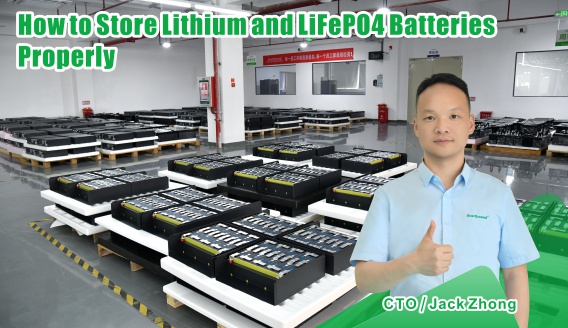
  • How to Store Lithium and LiFePO4 Batteries Properly

    How to Store Lithium and LiFePO4 Batteries Properly

    Sep , 28 2026
    Lithium batteries are designed for reliable, long-term performance, but proper storage is still important when the battery will remain unused for an extended period.   Whether you are storing a battery during the winter, keeping a backup battery for emergencies, or temporarily taking an RV, UPS, or solar system out of service, the right storage practices can help minimize unnecessary battery ...
    more
  • Aerosol Fire Suppression: Providing Extra Protection for LFP Batteries

    Aerosol Fire Suppression: Providing Extra Protection for LFP Batteries

    Oct , 10 2026
    As residential and commercial energy storage systems and electric vehicles rapidly grow in the U.S. market, battery safety has become one of the biggest concerns for users. Although LFP batteries are inherently stable, thermal runaway can still occur under extreme conditions, leading to flame spread or damage to surrounding equipment. Traditional fire suppression methods, such as water-based or dr...
    more
  • Industrial UPS System: 4 Key Factors That Determine Power Supply Continuit

    Industrial UPS System: 4 Key Factors That Determine Power Supply Continuit

    Oct , 16 2026
    A UPS is more than a backup power source that keeps equipment running during a power outage. For servers, industrial control systems, communication equipment, and other critical loads, power continuity depends on how the entire system responds to changing operating conditions. From normal utility power to a sudden outage, and from inverter operation to bypass and battery operation, the real value ...
    more
  • Lifecycle Management of UPS Batteries for High-Intensity AI Computing

    Lifecycle Management of UPS Batteries for High-Intensity AI Computing

    Oct , 16 2026
    As AI computing continues to expand in scale and intensity, power reliability has become a defining factor for the stability of AI data centers. In AIDC, UPS lithium batteries are no longer passive backup components—they operate continuously under high stress and must support dynamic, high-density computing workloads. Effective lifecycle management of UPS batteries is therefore essential for...
    more
  • Why Are 12V Lead Acid Batteries Commonly Limited to Around 250Ah (C10)?

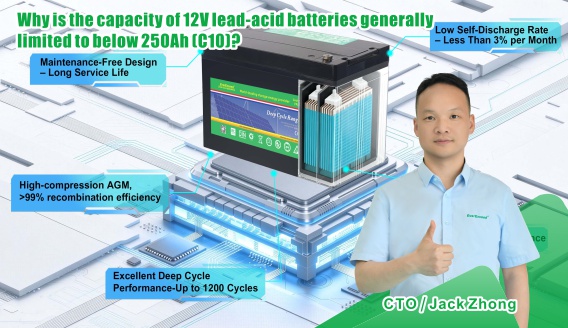
    Why Are 12V Lead Acid Batteries Commonly Limited to Around 250Ah (C10)?

    Oct , 24 2026
    Introduction When selecting a 12V lead acid battery for UPS systems, telecommunications, solar energy storage, or backup power applications, buyers often notice that many standard products have capacities of 250Ah (C10) or less. Meanwhile, 2V lead acid batteries are widely available in much higher capacities, ranging from several hundred amp-hours to over 3,000Ah. Why is there such a difference? T...
    more
first page << 1 ... 15 16 17 last page

a total of17 pages

leave a message
welcome to everexceed
If you are interested in our products and want to know more details,please leave a message here,we will reply you as soon as we can.

home

products

about

contact