
Blog
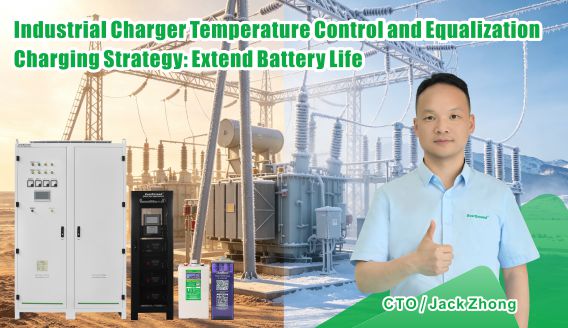
  • Industrial Charger Temperature Control and Equalization Charging Strategy: Extend Battery Life

    Industrial Charger Temperature Control and Equalization Charging Strategy: Extend Battery Life

    Jul , 29 2026
    Quick Answer Industrial battery chargers can extend battery service life through effective temperature management and proper equalization charging strategies. In critical applications such as power plants, substations, and rail transit systems, battery aging is often accelerated by improper charging temperature control and unreasonable equalization management. Temperature compensation helps adjust...
    more
  • How to Choose the Right UPS Battery System for Your Data Center

    How to Choose the Right UPS Battery System for Your Data Center

    Aug , 01 2026
    As cloud computing, artificial intelligence (AI), and high-density workloads continue to accelerate, modern data centers are facing increasing demands for reliable power protection. A stable UPS battery system is essential to maintain continuous operation and protect critical IT infrastructure during unexpected power interruptions. Selecting the right UPS battery solution requires more than choosi...
    more
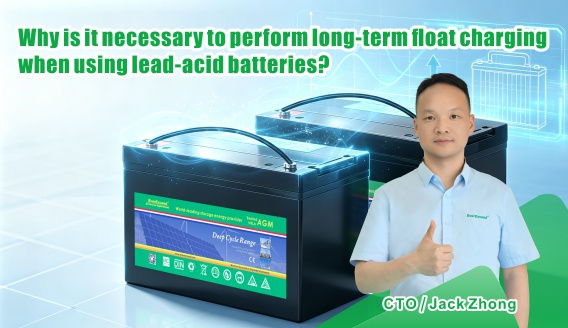
  • Why Do Lead Acid Batteries Require Long-Term Float Charging?

    Why Do Lead Acid Batteries Require Long-Term Float Charging?

    Aug , 01 2026
    In critical backup power applications such as UPS systems, telecom networks, emergency power systems, and industrial backup solutions, lead acid batteries are commonly operated under long-term float charging conditions.   Unlike ordinary rechargeable batteries that are charged only after use, a UPS lead acid battery or VRLA battery is designed to remain fully charged and ready for immediate p...
    more
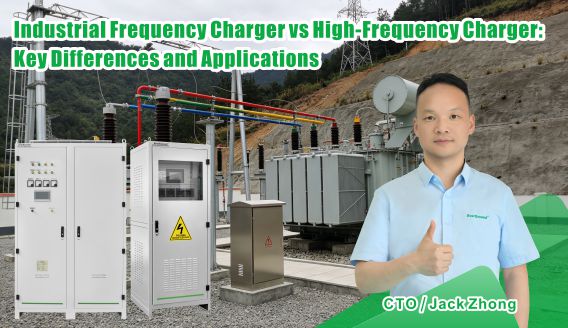
  •  Industrial Frequency Charger vs High-Frequency Charger: Key Differences and Applications

    Industrial Frequency Charger vs High-Frequency Charger: Key Differences and Applications

    Aug , 06 2026
    Quick Answer Industrial frequency chargers and high-frequency chargers have different advantages based on application requirements. Industrial frequency chargers use industrial frequency transformers and SCR technology, providing advantages in high reliability, long service life, low ripple output, strong overload capability and excellent environmental adaptability. They are suitable for critical ...
    more
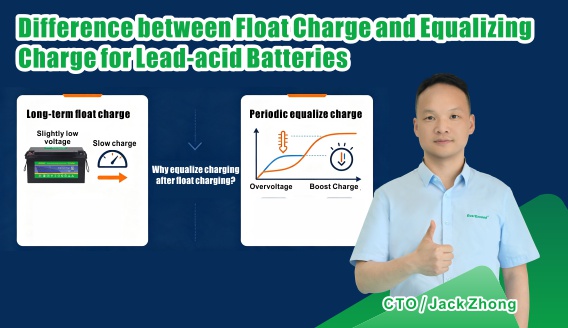
  • Why Lead Acid Batteries Require Regular Equalization Charging During Long-Term Float Operation

    Why Lead Acid Batteries Require Regular Equalization Charging During Long-Term Float Operation

    Aug , 14 2026
    For critical backup power applications such as UPS systems, telecom networks, substations, and industrial energy storage systems, lead acid batteries are often operated under long-term float charging conditions to maintain standby power availability. However, continuous float charging alone cannot completely eliminate the differences between individual battery cells. Over time, these small differe...
    more
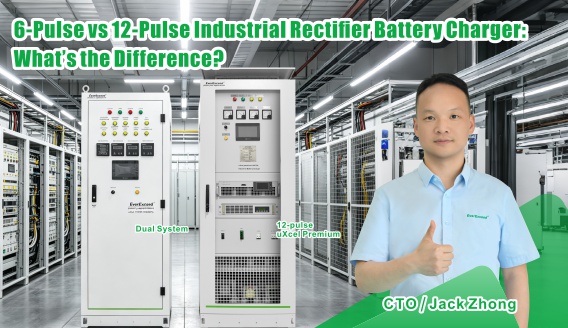
  •  6-Pulse vs 12-Pulse Industrial Rectifier Battery Charger: What's the Difference?

    6-Pulse vs 12-Pulse Industrial Rectifier Battery Charger: What's the Difference?

    Aug , 18 2026
    Quick Answer 6-pulse industrial rectifier battery charger features a simpler structure and lower cost, while 12-pulse industrial rectifier battery charger uses two phase-shifted rectifier bridges to improve input current waveform, reduce certain low-order harmonics, and provide better performance for high-power applications. Key Takeaways 6-pulse uses one three-phase rectifier bridge with a simple...
    more
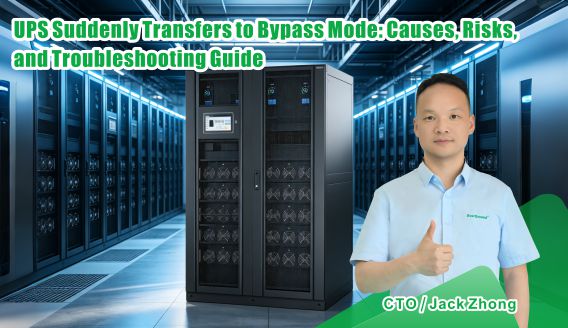
  • UPS Suddenly Transfers to Bypass Mode: Causes, Risks, and Troubleshooting Guide

    UPS Suddenly Transfers to Bypass Mode: Causes, Risks, and Troubleshooting Guide

    Aug , 25 2026
    Quick Answer When a UPS suddenly transfers to bypass mode, it does not always mean the UPS has failed. In many cases, the transfer is a protection action caused by conditions such as overload, inverter abnormality, or maintenance operation. However, bypass mode is different from normal inverter operation. Although the load may continue running, the UPS may no longer provide the same level of volta...
    more
  • Why a Running Fan Does Not Mean Your Power Supply Cooling Is Working Properly

    Why a Running Fan Does Not Mean Your Power Supply Cooling Is Working Properly

    Sep , 02 2026
    Quick Answer A running fan only shows that the fan is operating. It does not mean the power supply is effectively cooled. Actual cooling performance depends on airflow, air pressure, ventilation design, ambient temperature, and installation conditions. Long-term high temperature can accelerate component aging, reduce available power capacity, and shorten power supply lifespan.   Key Takeaways...
    more
  • Harmonics in Power Systems: Why Normal Operation Does Not Mean the System Is Healthy

    Harmonics in Power Systems: Why Normal Operation Does Not Mean the System Is Healthy

    Sep , 08 2026
    Quick Answer The biggest challenge with harmonics is that they usually do not cause immediate equipment failure. A power system may continue operating normally, while distorted current gradually increases losses, temperature rise, and stress on the entire power distribution system. For systems with rectifiers, UPS systems, battery chargers, variable frequency drives, and switching power supplies, ...
    more
  • Can I Replace My Lead-Acid Battery with a Lithium One

    Can I Replace My Lead-Acid Battery with a Lithium One

    Sep , 12 2026
    For decades, lead-acid batteries have been widely used in UPS backup systems, solar energy storage, RVs, marine applications, and off-grid power systems. However, traditional lead-acid batteries often come with limitations such as heavy weight, shorter service life, regular maintenance requirements, and reduced performance under deep-cycle conditions.   With the development of lithium technol...
    more
  • How Industrial Voltage Regulators Ensure Stable Power for Factory Equipment

    How Industrial Voltage Regulators Ensure Stable Power for Factory Equipment

    Sep , 15 2026
    Quick Answer Industrial equipment requires a stable and reliable power supply to maintain continuous operation and production efficiency. However, voltage fluctuations caused by unstable grid conditions may affect equipment performance, increase maintenance requirements, and create operational risks. An Automatic Voltage Regulator (AVR) helps maintain stable output voltage by automatically adjusti...
    more
first page << 1 ... 16 17 18 last page

a total of18 pages

leave a message
welcome to everexceed
If you are interested in our products and want to know more details,please leave a message here,we will reply you as soon as we can.

home

products

about

contact