The Rise of Lithium Batteries in UPS Applications Lithium batteries have gained significant traction in the UPS (Uninterruptible Power Supply) market, offering notable advantages over traditional lead-acid batteries. These benefits include longer lifespan, smaller size, lighter weight, and faster charging. As the cost of lithium batteries continues to fall and UPS manufacturers improve system compatibility, lithium technology is poised to replace lead-acid batteries as the preferred energy storage solution in many UPS applications.
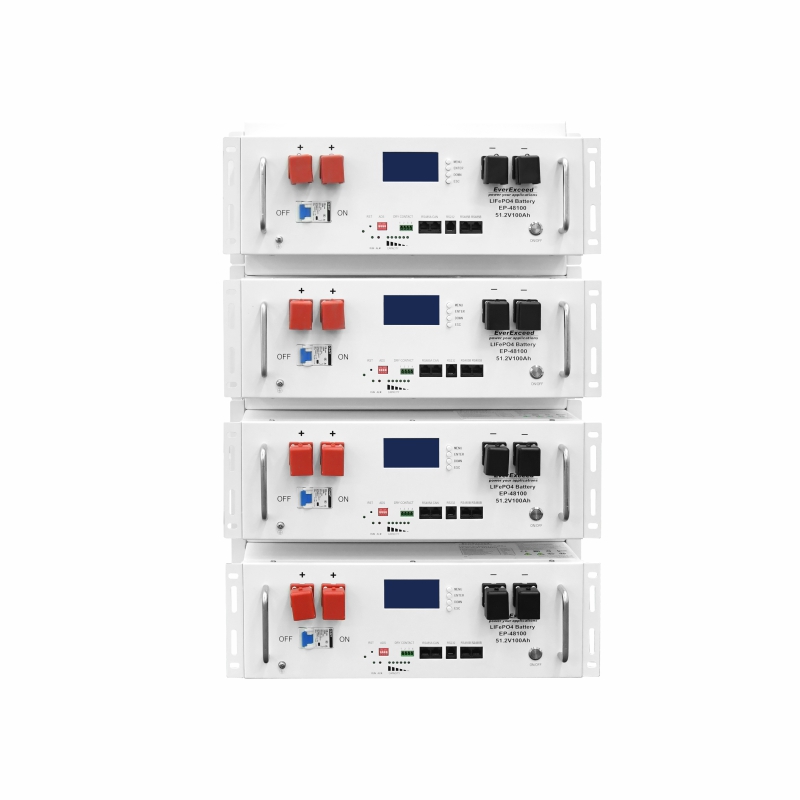
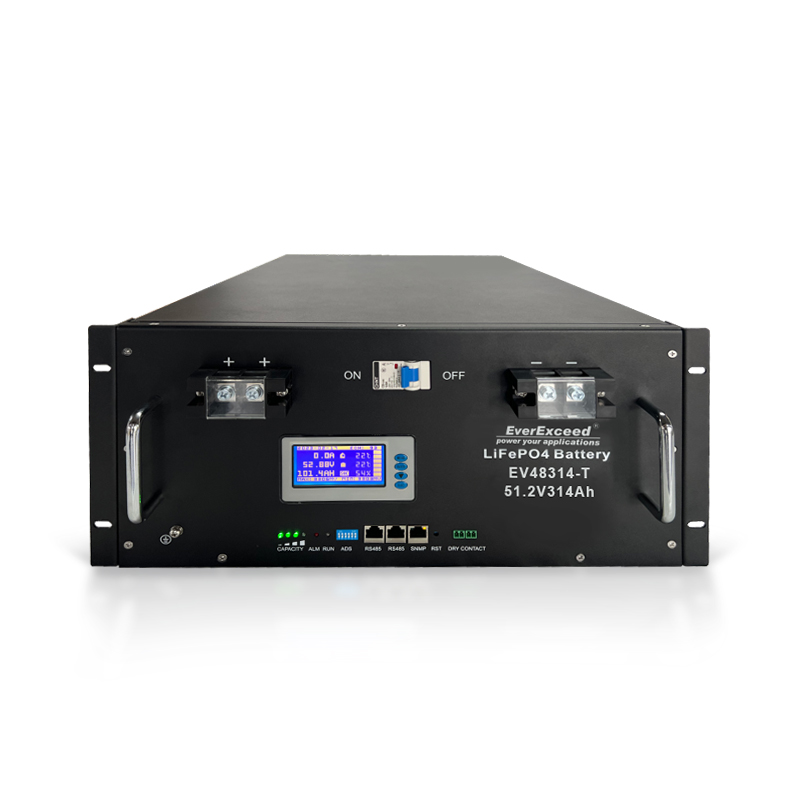
EverExceed Lithium UPS Solutions At EverExceed, we offer a comprehensive range of advanced lithium-ion UPS systems tailored to meet the growing demands of edge computing, data centers, industrial automation, and telecom applications. Our lithium UPS systems are powered by 51.2V 50Ah/100Ah LiFePO4 batteries, delivering superior performance, faster recharging, and longer lifespan compared to VRLA-based alternatives.
Key benefits of our lithium UPS solutions:
2–3x longer service life compared to lead-acid batteries
Compact and lightweight design for flexible installation
Integrated Battery Management System (BMS) for enhanced safety
High efficiency and performance under elevated temperatures
Scalable and customizable configurations to match specific customer needs
Our solutions are ideal for customers seeking reliable, high-performance, and low-maintenance backup power systems that reduce total cost of ownership and maximize uptime.
Key Chemical Differences The core differences between lithium and lead-acid batteries lie in their chemistry. Lithium batteries use metal oxides for the cathode, carbon-based anodes, and lithium salts dissolved in organic solvents as the electrolyte. In contrast, lead-acid batteries utilize lead dioxide cathodes, lead anodes, and sulfuric acid electrolyte. These chemical differences significantly impact performance, energy density, and safety.
Performance Comparison Due to their chemical and structural characteristics, lithium batteries generally outperform lead-acid batteries in energy density, cycle life, and temperature tolerance. However, performance can vary depending on materials and construction, so it's critical to evaluate batteries based on specific technical parameters.
Cost Analysis: Upfront vs. Total Cost of Ownership Although lithium battery systems typically cost 1.5 to 3 times more upfront than VRLA (valve-regulated lead-acid) systems (as of 2016), this cost gap has significantly narrowed. In the past, lithium solutions were nearly 10 times more expensive. Today, thanks to declining prices and improved performance, lithium-based UPS systems offer a compelling return on investment.
Lithium batteries also reduce operating costs. They last 2-3 times longer, perform better in high-temperature environments (up to 40°C), and require less maintenance. Smaller system size (50-80% space savings) allows for better space utilization. Overall, total cost of ownership can be 10-40% lower than VRLA systems.
Safety and Environmental Considerations Lithium batteries have higher energy density, which can pose safety risks if not managed properly. However, modern lithium UPS systems are equipped with Battery Management Systems (BMS) that monitor temperature, charge level, and voltage to prevent overcharging, overheating, or short circuits. These safety measures have significantly improved lithium battery reliability.
On the environmental side, lithium batteries do not contain lead and generate less pollution during production. However, their recycling infrastructure is still under development. In contrast, lead-acid batteries have mature recycling systems but carry higher environmental risks.
Understanding Lithium Battery Types Lithium batteries come in several types, each suited to different applications. Common chemistries include:
Lithium Cobalt Oxide (LiCoO2)
Lithium Manganese Oxide (LiMn2O4)
Lithium Nickel Manganese Cobalt Oxide (NMC)
Lithium Iron Phosphate (LiFePO4)
Lithium Nickel Cobalt Aluminum Oxide (NCA)
Lithium Titanate (LTO)
Each type offers a unique balance of energy density, safety, cycle life, and cost.
Packaging Matters Battery packaging (e.g., pouch, prismatic, cylindrical) also impacts performance, weight, and design flexibility. Even with identical chemistries, different packaging can lead to varying performance outcomes. UPS manufacturers must carefully evaluate cell design, materials, and specifications to ensure optimal system performance.
Conclusion Lithium battery technology is revolutionizing UPS systems with its superior energy efficiency, longevity, and flexibility. While challenges such as cost and recycling infrastructure remain, advancements in safety systems and decreasing prices make lithium UPS solutions an increasingly practical and sustainable choice for modern energy storage needs.
EverExceed remains committed to developing smarter, safer, and more efficient power backup solutions. Contact us today to learn more about how our lithium UPS systems can meet your specific application needs.
categories
recent posts




scan to wechat:everexceed