In industrial power systems like substations or metro control rooms, power frequency chargers work reliably with lead-acid, NiCd, and even lithium batteries. However, in telecom power systems, power frequency chargers are almost never used.
The reason lies in the unique requirements of telecom base stations:
· Sites are widely distributed: urban rooftops, remote mountains, highways, and offshore locations.
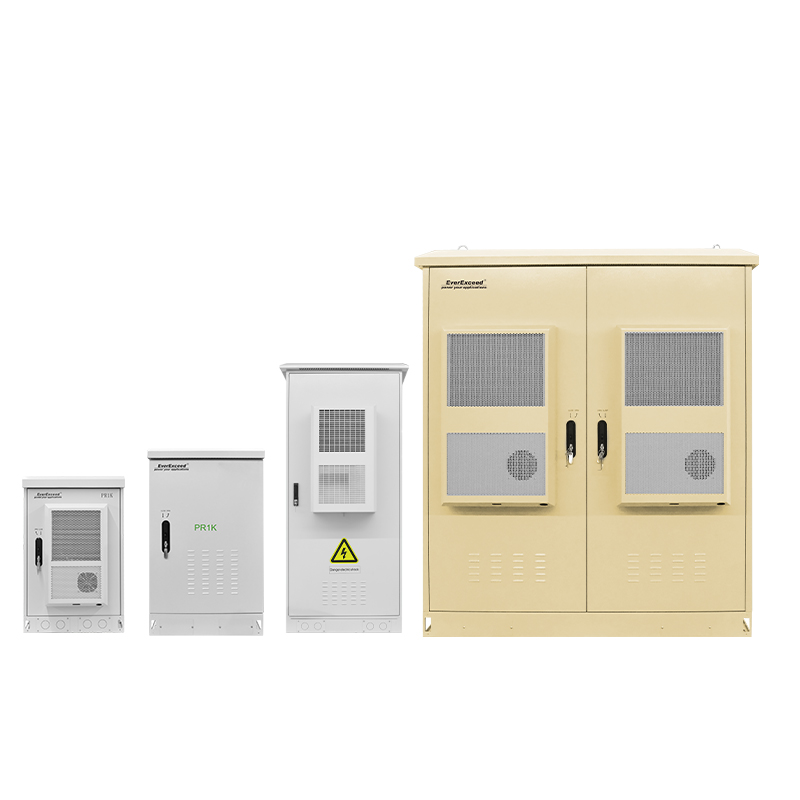
· Space is limited, especially in outdoor integrated cabinets.
· Power quality is variable and often unstable.
· Maintenance teams may have to travel long distances to each site.
High-frequency switch-mode rectifiers dominate telecom base station power systems because they are compact, highly efficient (95%+), modular, and support hot-swapping and N+1 redundancy. In contrast, power frequency chargers are bulky, heavy, and only 85%-90% efficient.
Conclusion: Power frequency chargers are built for “maximum reliability” in fixed installations, while telecom base stations need “maximum density and flexibility.”
Over the past twenty years, lead-acid batteries dominated telecom backup power. In the last five years, lithium iron phosphate (LiFePO₄) batteries have rapidly replaced lead-acid in new deployments. The main reasons are:
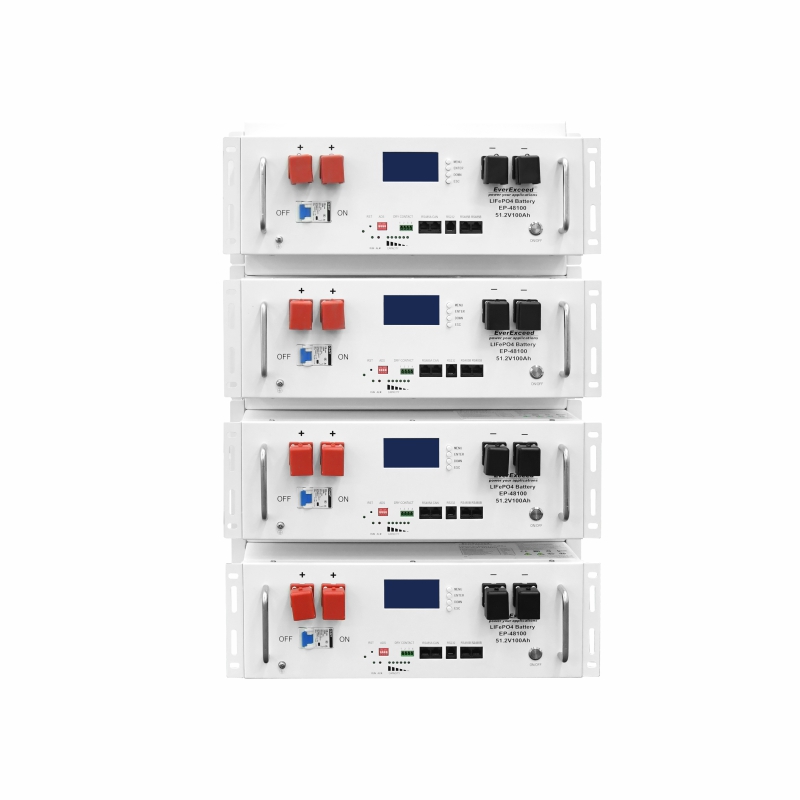
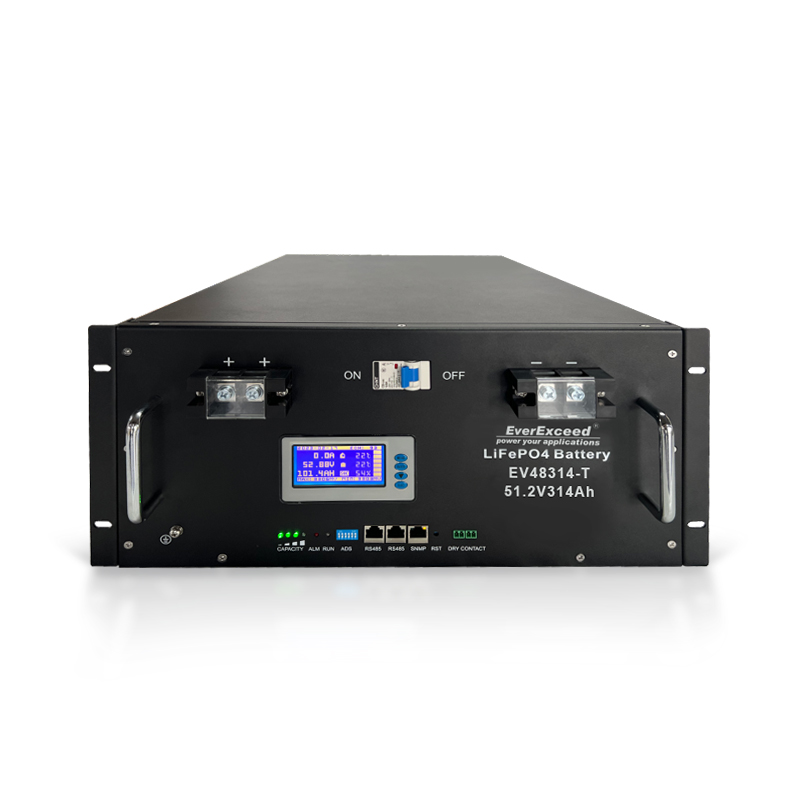
A 10 kWh lithium battery occupies only 25%-33% of the volume of a lead-acid battery. This allows integration into compact outdoor cabinets without extra battery rooms.
Remote regions often experience daily power interruptions. Lead-acid batteries degrade rapidly under frequent deep discharges (lifespan 2–3 years), while lithium batteries can handle 2,000+ cycles, lasting 5–8 years even with daily cycling.
Lithium batteries can accept 1C–2C charging, fully charging in 1–2 hours. Lead-acid batteries typically need 10+ hours to recharge, which is insufficient for frequent outages.
Lithium batteries with built-in BMS can report voltage, temperature, SOC, and SOH remotely. Operators can plan maintenance proactively without site visits, unlike lead-acid batteries.
Many outdoor cabinets reach 50°C+ in summer. Lithium batteries retain 80%+ cycle life under high temperature, while lead-acid batteries degrade rapidly.
In Africa, Southeast Asia, and South America, solar-powered remote base stations rely on lithium batteries to store daytime energy and supply nighttime loads. High-frequency switch-mode rectifiers, combined with MPPT solar controllers, efficiently manage the -48V DC bus.
Old city grids are unstable and rooftop cabinets are limited in space. Replacing lead-acid with rack-mounted lithium modules allows seamless integration with existing -48V high-frequency rectifiers.
Along highways and rural areas, cabinets can reach 55°C in summer. Lithium batteries tolerate high temperature, and the BMS actively limits charge/discharge to protect cells, reducing the need for cooling and lowering maintenance costs.
5G sites consume more power and often require only 30–60 minutes of backup. Lithium batteries can quickly recharge before the next outage, ensuring uninterrupted service, while lead-acid batteries cannot meet short backup/fast recharge requirements.
In rare cases, power frequency chargers may be used in base stations located inside substations or where AC power quality is extremely poor. However, this is the exception. The mainstream telecom power system remains:-48V DC bus + high-frequency switch-mode rectifier + lithium battery backup
This combination delivers compact, efficient, and reliable backup power for modern base stations worldwide.
EverExceed is a global leading manufacturer of customized AC/DC power solutions, with 20+ years of battery manufacturing experience and 10+ years of system integration expertise.
categories
recent posts




scan to wechat:everexceed