If you're trying to choose the best solar batteries for home backup in 2026, the biggest mistake is starting with brand names instead of project requirements.
In today’s residential energy storage market, the “best” system is rarely the one with the highest advertised capacity. The right solution depends on real application needs, system design, and long-term reliability.
This guide is designed for homeowners, installers, EPC contractors, and energy consultants who need a structured way to evaluate residential solar battery systems in 2026.
As a global energy storage manufacturer, EverExceed provides LiFePO₄-based residential energy storage systems designed for safety, scalability, and long-term backup performance.
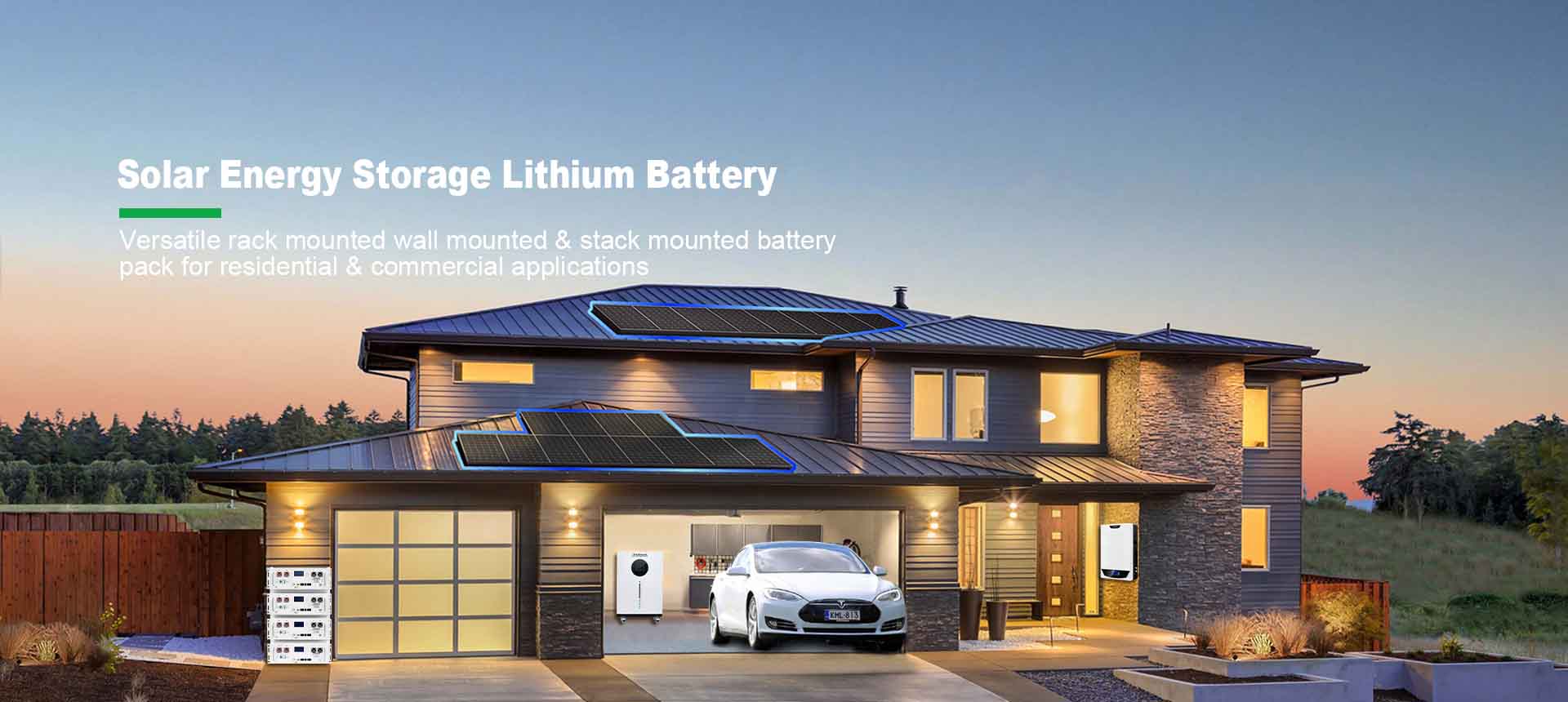
A solar battery is an energy storage system that stores electricity generated by solar panels for later use.
During the day, excess solar energy charges the battery. At night—or during grid outages—the stored energy powers household loads.
Modern residential storage systems are mainly based on LiFePO₄ (Lithium Iron Phosphate) technology because it offers:
Solar batteries are widely used for:
A battery can look excellent on paper and still be the wrong choice for a specific home.
In real residential projects, the best solar battery system is one that is:
The key question is not:
“Which battery brand is #1?”
The better question is:
“Which system architecture best fits this home and this energy profile?”
Before selecting any battery system, clearly define what must be powered during an outage.
Typical essential loads include:
Why essential-load backup is preferred:
For most residential users, this approach delivers the best balance between cost and performance.
Whole-home backup systems require significantly more design consideration:
In many cases, homeowners requesting “whole-home backup” actually only require partial critical-load coverage.
A common mistake in residential storage selection is confusing energy capacity with power output.
Example:
This distinction is critical for:
A system with enough energy capacity may still fail if inverter power is undersized.
Instead of focusing on brand-only comparisons, it is more effective to evaluate system architecture.
Wall-mounted systems remain the most widely adopted residential solution.
Advantages:
Best for:
Typical capacity range:
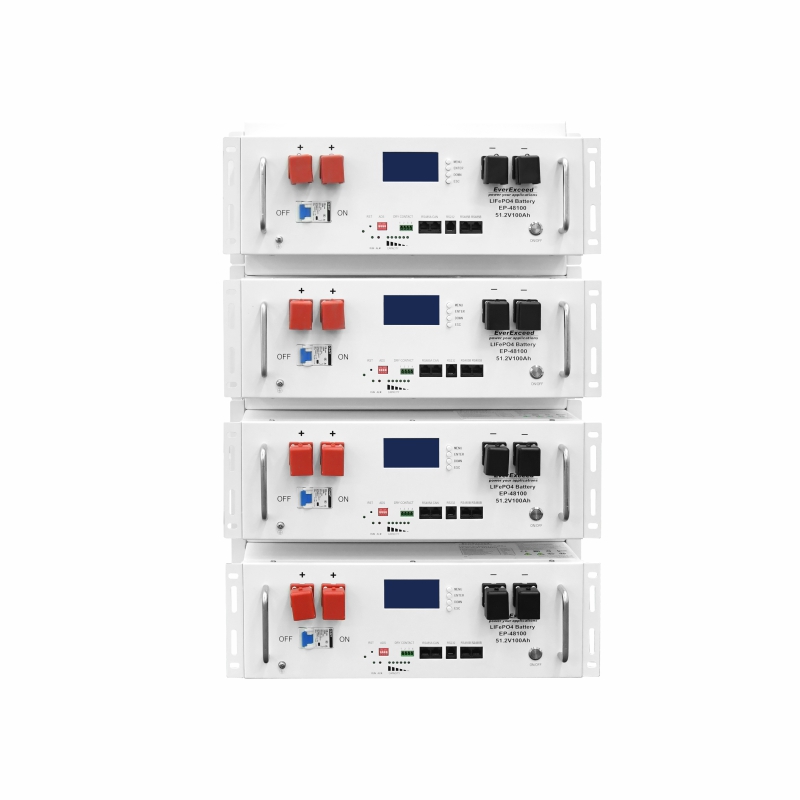
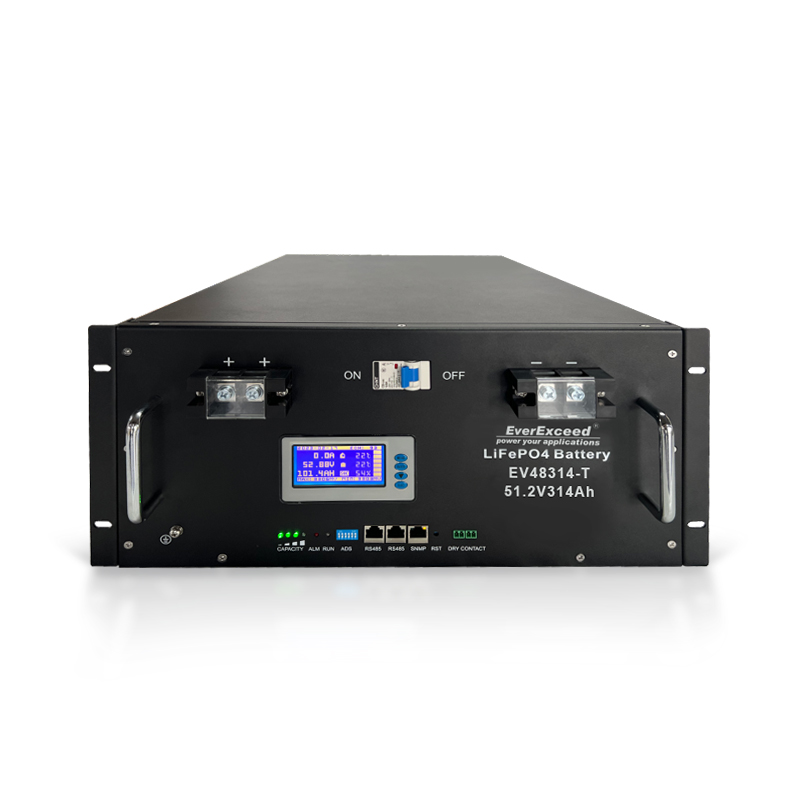
Rack-mounted solutions are ideal for higher-capacity residential or light commercial applications.
Advantages:
Best for:
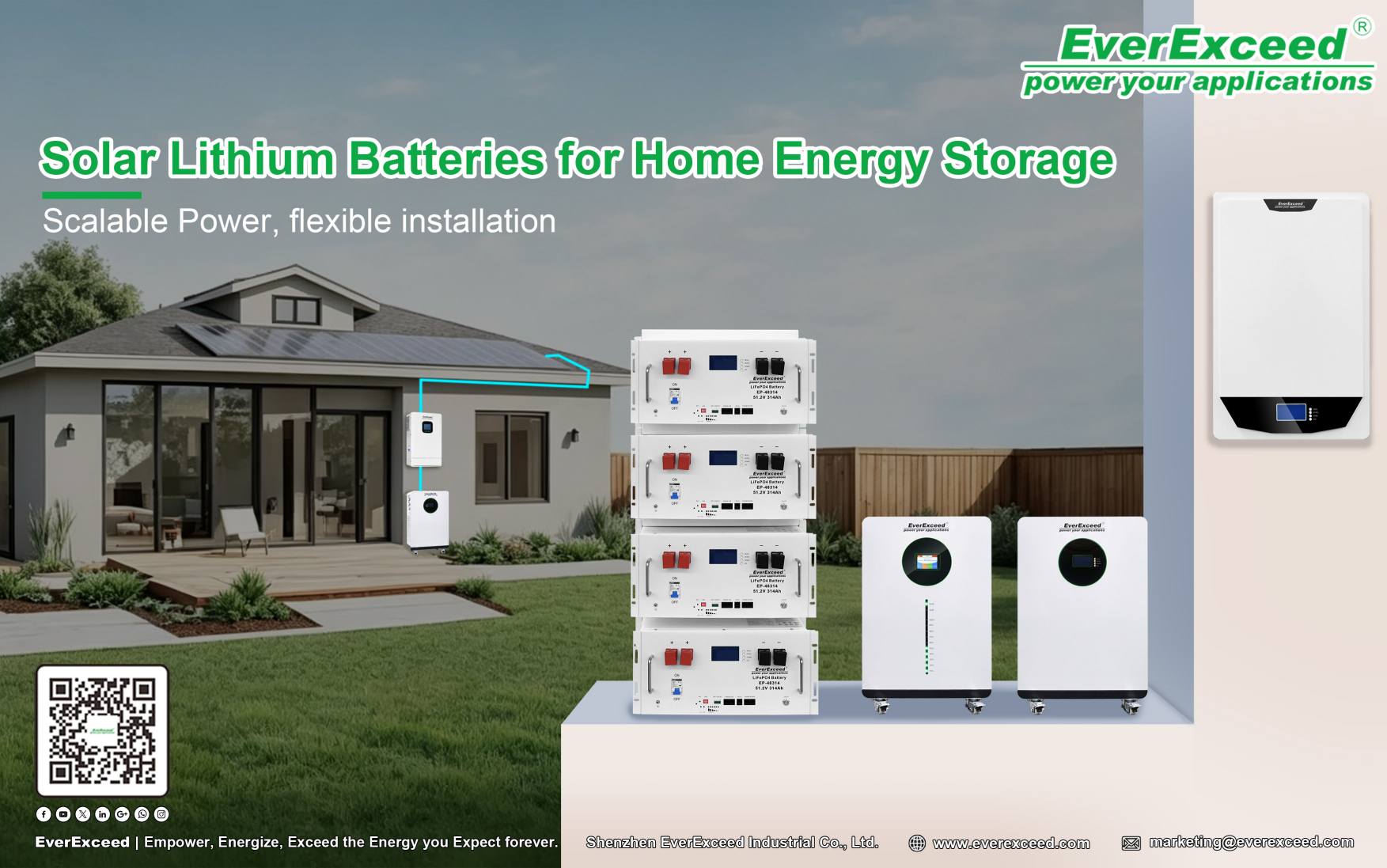
Modern all-in-one ESS solutions combine battery, BMS, and inverter compatibility in a unified architecture.
Advantages:
Best for:
In residential energy storage projects, compliance is more important than marketing claims.
Key certifications include:
Always verify that the complete energy storage system (not only battery cells) is certified for residential use.
For existing solar installations:
For new solar + storage systems:
Modern systems increasingly integrate:
This reduces unnecessary oversizing of battery systems.
Growing household loads now include:
This drives demand for higher power output residential ESS solutions.
Most homeowners now prefer:
Modular systems reduce upfront cost and improve long-term flexibility.
Avoid the following in residential battery system design:
The best solar battery for home backup in 2026 is not defined by brand alone, but by system design, load requirements, and long-term scalability.
As global energy demand continues to grow, EverExceed continues to develop safe, intelligent, and scalable residential energy storage solutions that help homeowners achieve true energy independence.
EverExceed | A global leading manufacturer of customized AC/ ADC power solutions.
20+years Battery Manufacturing Experience
10+years System lntegration Experience
categories
recent posts




scan to wechat:everexceed