Since late April 2026, severe thunderstorms, hailstorms, and tornadoes have impacted Dallas, Houston, and surrounding regions in Texas, USA. According to public reports, hundreds of power outage points were recorded in Houston alone, affecting thousands of households. In Northern Texas, damaged grid infrastructure caused extended blackouts lasting hours or even days.
These extreme weather events once again highlight a critical reality: grid instability is becoming a recurring risk, not a rare event.
Against this background, LiFePO₄ home battery backup systems have become an essential solution for residential energy security.
As a global energy storage manufacturer, EverExceed provides advanced residential energy storage systems designed to deliver safe, stable, and long-duration backup power for households facing extreme weather and grid failures.
Part 1: Why Home Emergency Backup Power Is Becoming Essential
In recent years, extreme weather events have significantly increased across the United States, especially in Texas, Florida, and California.
Storms, hurricanes, heatwaves, and winter freezes frequently cause grid instability and unexpected outages.
Real Impact of Power Outages
During the April 2026 Texas storm events:
- Hundreds of grid failure points were reported in Houston
- Tornado damage disrupted transmission infrastructure in Northern Texas
- Tens of thousands of residents experienced prolonged blackouts
What Power Outages Actually Affect in Daily Life
- Food spoilage due to refrigerator shutdown
- Loss of internet and communication connectivity
- Inoperable medical devices at home
- Interrupted remote work and online learning
- Temperature risks during heatwaves or cold spells
Traditional backup options are no longer sufficient:
Gas generators
- Noise pollution
- Fuel dependency
- Carbon monoxide risk
- Cannot be used indoors
Lead-acid batteries
- Heavy and bulky
- Short lifespan (2–3 years)
- Limited depth of discharge
- High long-term maintenance cost
This is why modern households are shifting toward safer and more reliable LiFePO₄-based home battery backup systems.
Part 2: What Is a Home Battery Backup System?
A home emergency backup power system is a residential energy storage solution that automatically or manually supplies electricity when the grid fails.
It typically includes:
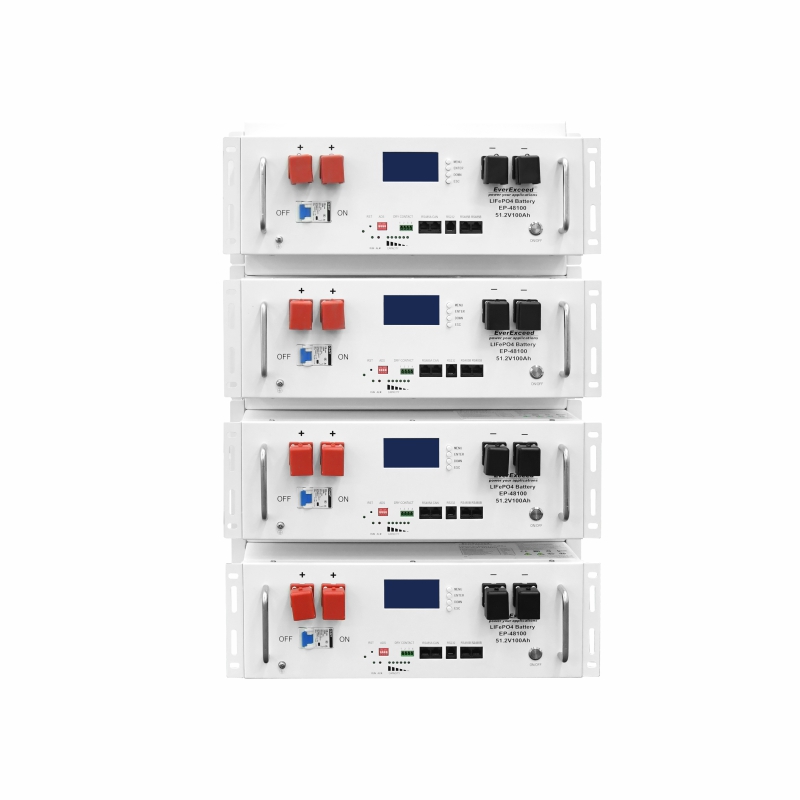
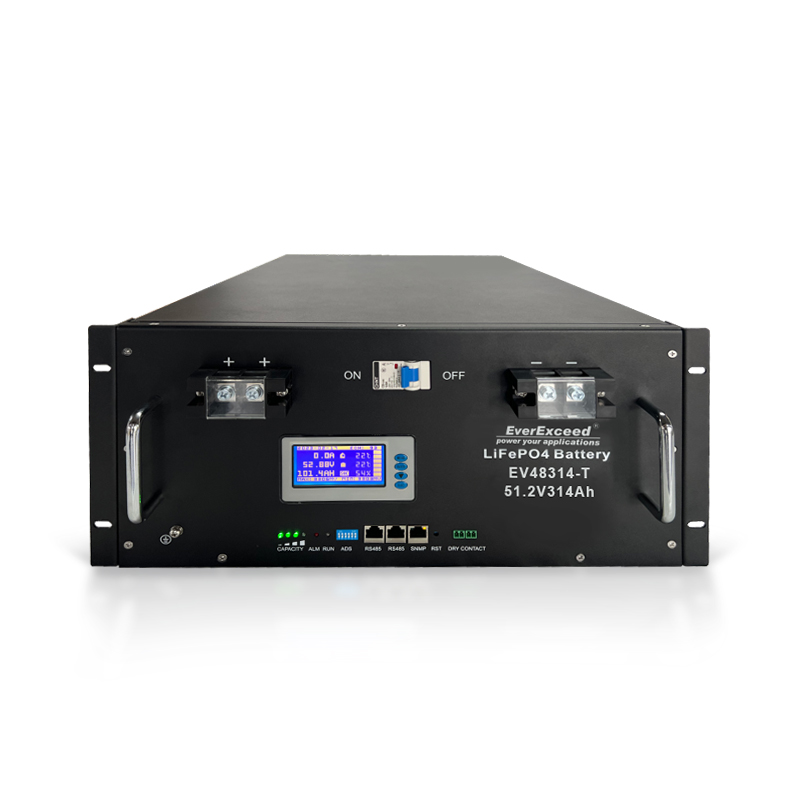
- Battery storage system (LiFePO₄)
- Hybrid inverter / UPS system
- Energy management system (EMS)
During normal operation, the system stores electricity from the grid or solar panels. When an outage occurs, it instantly converts stored DC power into AC household electricity.
Main Applications
Home backup systems are designed to maintain essential living functions:
- Keep refrigerators running
- Maintain internet and communication devices
- Power lighting and security systems
- Support medical devices (oxygen concentrators, ventilators)
- Operate fans, heaters, or air conditioning systems
Types of Residential Backup Systems
1. Portable Power Stations
- Capacity: 0.5–3 kWh
- Ideal for apartments and short outages
- Supports basic loads like lighting and phones
2. Whole-Home Battery Backup Systems
- Capacity: 3–20+ kWh
- Supports essential circuits or full-home backup
- Suitable for long-duration outages
3. UPS Systems for Sensitive Loads
- Designed for IT equipment and medical devices
- Prevents data loss and sudden shutdowns
- Provides instantaneous switching power
Part 3: Why LiFePO₄ Is the Best Chemistry for Home Backup
Lithium Iron Phosphate (LiFePO₄) has become the industry standard for residential energy storage due to its balance of safety, durability, and performance.
Key Advantages:
1. High Safety Level
- Thermally stable chemistry
- Low risk of fire or thermal runaway
- Suitable for indoor residential installation
2. Long Service Life
- 4,000–10,000+ cycle life
- 10+ years operational lifespan
- Far superior to lead-acid batteries
3. Silent & Clean Operation
- No noise
- No emissions
- No fuel requirement
- Environmentally friendly
4. Strong Scalability
- Modular expansion supported
- Compatible with solar PV systems
- Flexible capacity upgrades
Part 4: How LiFePO₄ Backup Systems Perform in Real Storm Scenarios
During large-scale outages such as the April 2026 Texas storms, modern LiFePO₄ home systems provide continuous protection:
Continuous Essential Power Supply
- Refrigeration systems remain operational
- Food and medicine preservation is ensured
Communication Stability
- Routers and mobile devices remain powered
- Remote work and online education continue
Medical Safety Support
- Supports oxygen concentrators and home medical equipment
- Ensures uninterrupted emergency care
Extreme Weather Resilience
- Pre-charged before storms
- No fuel supply dependency
- Stable output during severe weather conditions
User-Friendly Operation
- Automatic switching during outages
- App-based monitoring for real-time status
- Simple operation suitable for all age groups
Part 5: How to Choose the Right Home Battery System
1. Capacity Selection Guide
- 0.5–3 kWh
Small homes or apartments
Essential loads only
- 3–5 kWh (Most Popular)
Fridge + lighting + internet
1–3 day backup capability
- 5–10 kWh
Supports heavy appliances
Suitable for long outages
- 10 kWh+
Whole-home or semi off-grid systems
2. Cost Reference
- Entry level: $150–$800
- Standard residential: $800–$2,000
- Whole-home systems: $2,500–$8,000+
LiFePO₄ systems offer 10+ years lifespan, significantly reducing long-term replacement cost compared to lead-acid or generator systems.
Part 6: Common Questions (FAQ)
Q1: Can LiFePO₄ batteries run air conditioners?
Yes. With a properly sized inverter (typically 1,000W–3,000W), most residential air conditioners and small water heaters can be supported.
Q2: How long can a home battery last during a blackout?
It depends on load. For example, a 5 kWh system can typically support essential household loads for 10–20 hours. Expansion increases runtime.
Q3: Do these systems require maintenance?
No regular maintenance is required. Most systems are plug-and-play with intelligent BMS protection.
Q4: Can the system work without solar panels?
Yes. It can be charged directly from the grid and used as emergency backup power.
Conclusion
Extreme weather events such as the 2026 Texas storms demonstrate that power instability is becoming a long-term global challenge.
Modern households need more than temporary backup—they need reliable, scalable, and intelligent energy security systems.
EverExceed provides advanced LiFePO₄ residential energy storage solutions designed to ensure:
- Continuous home power security
- Safe indoor operation
- Long-term energy independence
- Flexible system expansion
Investing in a high-quality home battery backup system is no longer just preparation for emergencies—it is a long-term energy resilience strategy for modern living.