Lithium UPS systems are widely deployed in server rooms and modern data centers to ensure uninterrupted power supply for mission-critical IT infrastructure.
To guarantee long-term safety, reliability, and performance, UPS lithium battery systems must be installed and operated under well-controlled environmental, electrical, and mechanical conditions.
This article provides a practical deployment guide for lithium UPS batteries, focusing on installation environment, temperature control, ventilation, dust management, and power distribution safety.
To ensure safe and stable operation, lithium UPS batteries should be installed in dedicated indoor power equipment rooms designed for energy storage systems.
1. Flat and stable flooring
The installation surface must be level and structurally strong enough to support the full weight of the UPS battery system to avoid mechanical stress or deformation over time.
2. Protection from water and humidity
Battery systems should be installed in dry environments free from water leakage, flooding risk, or high humidity, as moisture may damage internal components and reduce service life.
3. Avoid direct sunlight and vibration sources
UPS battery systems should not be installed in areas exposed to direct sunlight or strong vibration sources such as generators or heavy machinery, as these conditions may impact electrical stability and structural integrity.
A properly designed installation environment helps ensure long-term mechanical stability and reliable system operation.
Temperature is one of the most critical factors affecting lithium UPS battery safety and lifespan.
· Optimal ambient temperature: 20°C–25°C
· Continuous operation within manufacturer-defined limits
Prolonged exposure to high temperatures accelerates battery aging, while low temperatures may temporarily reduce discharge performance.
· Install temperature sensors near battery racks or cabinets
· Set alarm thresholds for abnormal temperature rise
· Integrate monitoring into UPS or data center management systems
Early detection of thermal anomalies significantly improves operational safety.
Lithium-ion UPS batteries generate heat during both charging and discharging cycles. Without proper ventilation, heat accumulation may lead to performance degradation and safety risks.
1. Ensure sufficient airflow around battery cabinets
Maintain unobstructed airflow on all sides of battery racks to support effective heat dissipation and prevent localized hot spots.
2. Follow manufacturer clearance requirements
Maintain recommended spacing between cabinets, walls, and adjacent equipment to ensure proper airflow and cooling efficiency.
3. Avoid sealed or poorly ventilated environments
UPS battery systems should not be installed in closed or poorly ventilated rooms without active cooling systems.
Proper ventilation design is essential for maintaining system stability under high-load conditions.
Dust accumulation can negatively impact thermal performance and electrical safety in UPS battery environments.
· Install batteries in controlled and restricted-access environments
· Keep ventilation openings, fans, and airflow channels clear
· Use sealed battery cabinet designs when operating in dusty environments
These measures help maintain efficient cooling and reduce the risk of overheating.
· Perform regular cleaning of battery rooms and cabinets
· Inspect ventilation paths, filters, and cable trays for dust buildup
· Monitor environmental conditions such as airflow and humidity
Regular maintenance ensures long-term system reliability.
A properly designed electrical system is essential for safe UPS battery operation and stable power delivery.
· Ensure correct matching of battery voltage and UPS system requirements
· Implement proper grounding and earthing design
· Use certified protection devices (breakers, fuses, surge protection)
· Avoid uneven loading and improper parallel connections
These measures reduce electrical risk and improve system stability.
Modern lithium UPS systems rely on intelligent BMS technology for safe operation:
· Real-time monitoring of voltage, current, and temperature
· Protection against overvoltage, overcurrent, and short circuits
· Early fault detection and system-level safety response
A high-performance BMS ensures operational transparency and proactive risk control.
Safe deployment of lithium UPS batteries is essential for ensuring uninterrupted power supply in modern data centers and server environments.
By following best practices in installation environment design, temperature management, ventilation, dust control, and electrical safety, operators can significantly improve system stability and long-term reliability.
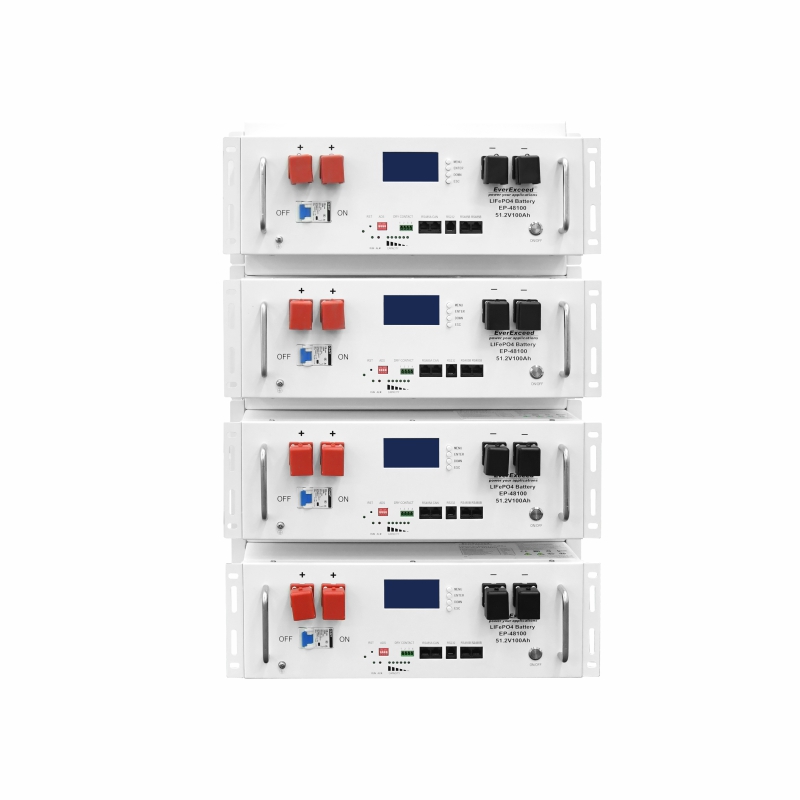
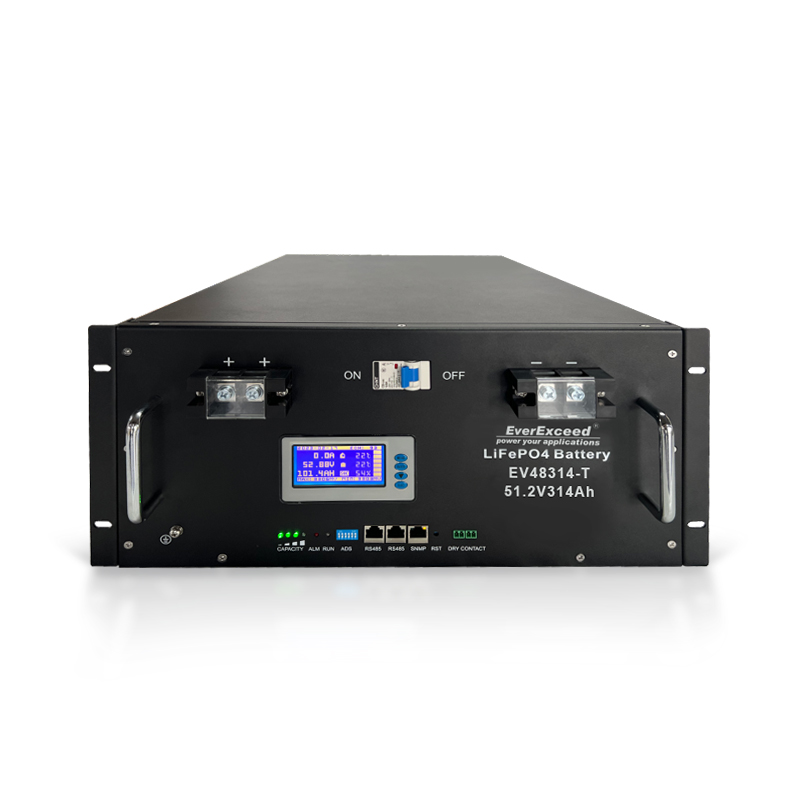
To support these requirements, EverExceed UPS lithium battery solutions are designed with advanced thermal management, intelligent BMS technology, and multi-level safety architecture, enabling secure and reliable integration into mission-critical data center applications.
categories
recent posts




scan to wechat:everexceed