A reliable base station power system is the foundation behind uninterrupted communication services. When grid power fluctuates or fails, the system maintains continuous operation through three key protection layers: stable rectifier power supply, battery backup, and intelligent monitoring.
The rectifier system ensures stable DC power during normal operation, the battery system provides immediate backup power during outages, and the monitoring system helps detect potential problems before they affect communication services.
For remote sites, outdoor stations, and areas with unstable power grids, a complete base station power solution helps improve network reliability and reduce unexpected downtime.
A mobile phone signal, video loading, and successful phone calls may seem to depend only on communication equipment. However, behind every working base station, the first challenge is ensuring a stable power supply.
Especially in remote areas, mountains, islands, construction sites, or locations with unstable grid conditions, power fluctuations and outages can occur frequently.
The role of a base station power system is not simply to convert AC power into DC power. Its real purpose is to maintain a stable DC bus under different operating conditions, ensuring that communication equipment continues operating reliably.
From normal grid operation to power failure and recovery, the entire process requires a complete power protection strategy.
|
Operating Condition |
Site Situation |
Power System Response |
|
Normal operation |
Grid power is available |
Rectifier modules supply communication loads and maintain battery float charging. |
|
Grid fluctuation |
Input power becomes unstable |
The system maintains stable output to prevent equipment restart caused by voltage changes. |
|
Power outage |
Grid power is interrupted |
Battery immediately supports the DC bus to keep communication equipment running. |
|
Power recovery |
Grid power returns |
Rectifier modules resume operation and recharge batteries according to charging strategies. |
Communication equipment requires stable DC power to operate properly.
When grid power is available, rectifier modules convert AC power into DC power while supplying the communication load and maintaining the battery in an appropriate charging condition.
The key requirement is not only whether the system can provide output power, but whether it can maintain stable operation under:
A reliable rectifier system helps ensure that communication equipment receives continuous and stable power during daily operation.
A mature base station power system usually adopts a modular rectifier structure.
Multiple rectifier modules operate in parallel, providing:
When one module fails or requires maintenance, other modules can continue operating, reducing the risk of complete power interruption.
For larger sites, some modules can automatically enter sleep mode or wake up according to load conditions, helping balance system efficiency and reliability.
The biggest difference between a telecom power system and ordinary backup power systems is the requirement for fast response during power interruption.
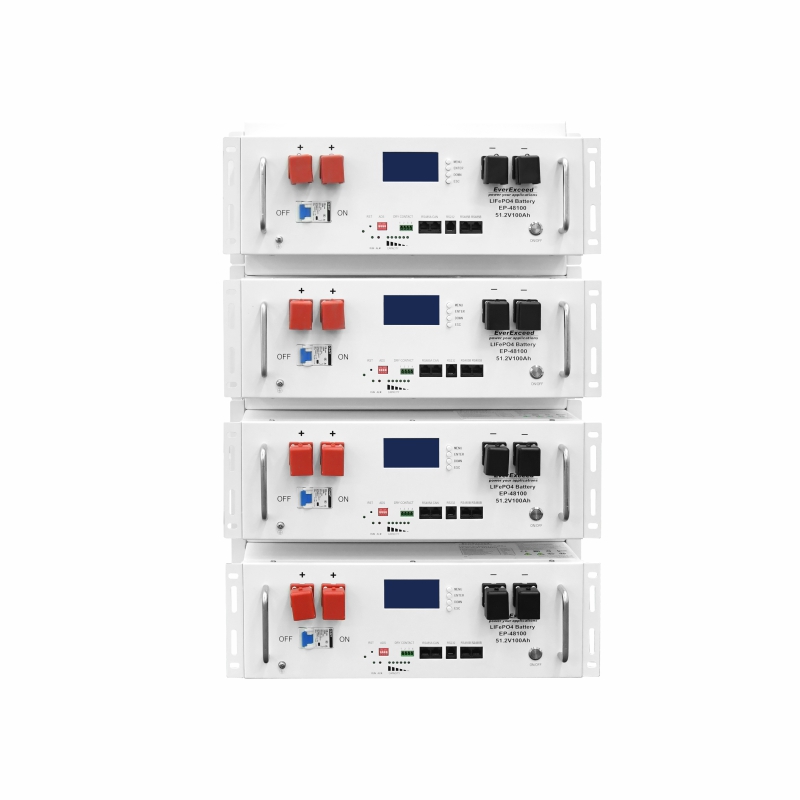
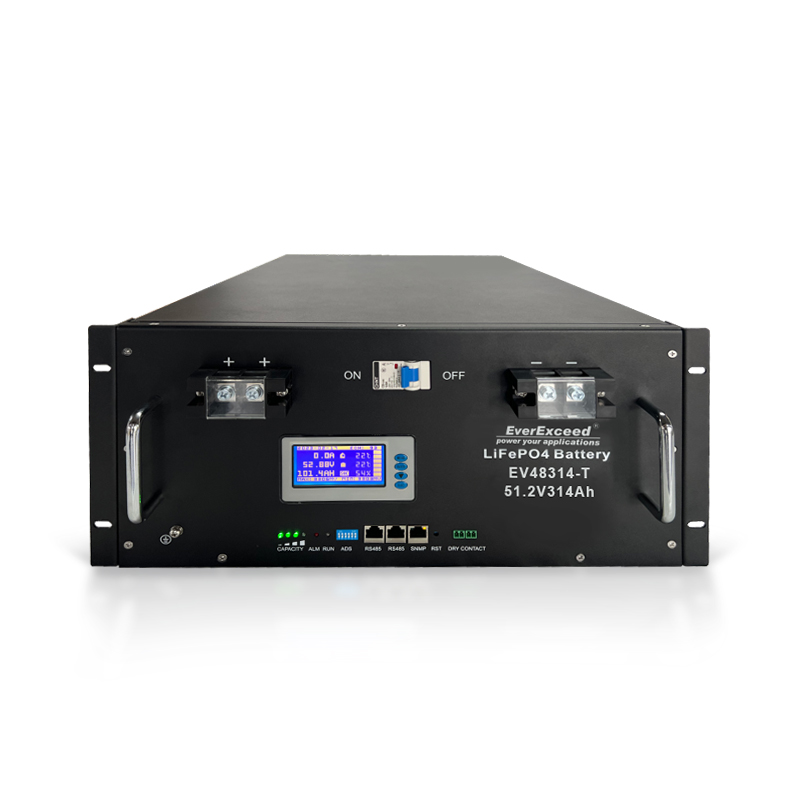
Since the battery is directly connected to the DC bus, it can immediately provide power when grid power fails.
Communication equipment does not need to wait for system restart or power switching processes.
This direct backup method helps maintain continuous communication services during unexpected outages.
Having batteries does not automatically guarantee reliable backup performance.
Actual backup capability depends on several factors, including:
Therefore, a reliable base station power system should monitor important battery conditions, including:
When necessary, low-voltage disconnect strategies can help protect critical communication loads and prevent excessive battery discharge.
Many power system problems do not immediately cause a base station shutdown.
Instead, risks may gradually accumulate, such as:
Although these issues may not immediately interrupt communication, they can increase the risk of future failures.
Therefore, modern base station power systems increasingly focus on monitoring and remote management.
A modern base station power system can collect information from different equipment and environmental conditions, including
Through network communication, operators can remotely check:
For communication networks with many distributed sites, remote monitoring helps reduce manual inspection requirements and improves operation efficiency.
Base stations are not always installed in ideal indoor environments.
Different locations may face different challenges:
These environmental conditions can directly affect:
During system design, important factors should be considered, including:
Many unexpected failures are not caused by insufficient equipment performance, but because actual site conditions exceed the original design considerations.
Before selecting a base station power solution, consider the following questions:
|
Key Consideration |
Question to Ask |
|
Rectifier system |
Does the system support N+1 redundancy or modular expansion? |
|
Battery configuration |
Is battery capacity calculated according to actual load and required backup time? |
|
Alarm functions |
Can the system clearly identify low voltage, over voltage, overheating, and module failures? |
|
Remote management |
Does it support RS485, Ethernet, or centralized monitoring platforms? |
|
Environmental conditions |
Are temperature, humidity, dust, and lightning conditions included in the design? |
For communication networks, reliable operation starts with a reliable power system.
During normal operation, the system needs to provide efficient and stable power.
During power failures, it needs to quickly maintain power continuity.
During long-term operation, it needs to identify potential problems before they become serious failures.
Therefore, the core value of a base station power system is not only the power capacity of rectifier modules, but the complete coordination between:
The more remote and difficult a site is to maintain, the more important it becomes to build reliability into the power system design from the beginning.
A base station power system provides stable DC power for communication equipment and helps maintain operation during grid fluctuations and power outages.
The three protection layers are:
1. Stable rectifier power supply;
2. Battery backup system;
3. Monitoring and alarm system.
Batteries provide immediate backup power when grid power fails because they are directly connected to the DC bus.
Remote monitoring helps operators check system status, view alarms, and identify potential problems before communication interruption occurs.
Temperature, humidity, dust, lightning, cooling conditions, and cable voltage drop should be considered during system design.
A Global Leading Manufacturer of Customized AC/DC Power Solutions
20+ Years of Battery Manufacturing Experience
10+ years System Integration Experience
categories
recent posts




scan to wechat:everexceed