As electricity prices continue to fluctuate and businesses face increasing pressure to improve energy efficiency, commercial and industrial (C&I) energy storage systems are becoming an effective solution for managing energy costs and enhancing operational resilience.
By integrating battery energy storage with the power grid, solar PV systems, and intelligent energy management systems (EMS), businesses can optimize electricity consumption, reduce peak demand, improve renewable energy utilization, and maintain power supply for critical loads.
But beyond energy savings, how exactly does a commercial and industrial energy storage system generate financial returns?
Here are five key ways a C&I battery energy storage system can improve return on investment (ROI).
Principle:
Energy arbitrage involves charging batteries when electricity prices are relatively low and discharging stored energy when electricity prices are higher.
For businesses operating under Time-of-Use (TOU) electricity tariffs, a commercial battery energy storage system can store electricity during off-peak periods, such as nighttime or periods of excess solar generation, and release it during peak-price hours.
Contribution to ROI:
By shifting electricity consumption from expensive periods to lower-cost periods, businesses can reduce electricity procurement expenses and improve overall energy cost efficiency.
The financial benefits depend on local electricity tariff structures, peak-to-off-peak price differences, battery efficiency, and energy management strategies.
Principle:
Many commercial and industrial electricity tariff structures include demand charges, which are calculated based on a customer's maximum recorded electricity demand during a specified billing period.
When industrial equipment, production lines, HVAC systems, or other high-power loads operate simultaneously, electricity demand can increase significantly, resulting in higher demand charges.
A C&I energy storage system can discharge stored electricity during these high-demand periods, reducing the amount of power drawn from the grid. This process is commonly known as peak shaving.
Contribution to ROI:
By lowering maximum grid demand, businesses can reduce monthly demand charges and better manage electricity expenses.
For facilities with significant load fluctuations or high demand charges, peak shaving can become one of the most valuable financial benefits of battery energy storage.
Principle:
Commercial and industrial facilities with rooftop or ground-mounted solar PV systems often generate more electricity than they immediately consume during certain daytime periods.
Without energy storage, surplus solar electricity may be exported to the grid at relatively low feed-in tariff rates, depending on local regulations and grid policies.
By integrating a battery energy storage system with solar PV, businesses can store excess solar generation during the day and use the stored energy during evening hours, periods of low solar generation, or other times when electricity demand exceeds PV output.
Contribution to ROI:
Increasing solar self-consumption helps businesses make better use of their own renewable electricity, reduce grid electricity purchases, and improve the economic value of their solar investments.
This combination of solar PV and battery storage also supports greater energy independence and more efficient renewable energy utilization.
Principle:
Power interruptions can cause substantial financial losses for commercial and industrial facilities, particularly those operating critical production lines, data centers, communication networks, and precision equipment.
Energy storage systems equipped with backup power functionality can supply electricity to designated critical loads during grid interruptions.
When integrated with compatible Uninterruptible Power Supply (UPS) or Emergency Power Supply (EPS) systems, battery energy storage can help maintain power continuity and support rapid backup power transitions, depending on the system architecture and configuration.
Contribution to ROI:
Reliable backup power helps businesses reduce the financial impact of unexpected power interruptions, including:
Production downtime and delayed orders.
Equipment shutdowns and potential damage.
Data loss and IT service interruptions.
Operational disruptions and recovery costs.
Although these benefits may not always appear as direct electricity bill savings, preventing outage-related losses can significantly improve the overall economic value of an energy storage investment.
Principle:
In regions with more developed electricity markets and supportive regulatory frameworks, commercial and industrial energy storage systems can participate in grid services and demand-side management programs.
Depending on local market access and technical requirements, these applications may include:
Frequency Regulation: Responding to grid frequency fluctuations by adjusting battery charging and discharging.
Demand Response: Temporarily reducing grid electricity consumption during periods of high demand in response to utility or market signals.
Virtual Power Plants (VPPs): Aggregating distributed energy storage assets to participate in electricity markets and grid services.
Microgrid Energy Trading: Supporting local energy sharing and peer-to-peer electricity trading where permitted.
Contribution to ROI:
By participating in eligible grid services and energy market programs, businesses may generate additional revenue beyond conventional electricity bill savings.
These opportunities can improve energy asset utilization and create additional value from available battery storage capacity.
However, actual revenue potential depends on local electricity market regulations, participation requirements, system capabilities, and market conditions.
While commercial and industrial energy storage offers multiple financial benefits, the actual return on investment varies from project to project.
Several key factors should be evaluated when planning and selecting a C&I battery energy storage system:
1. Electricity Tariff Structure
Peak and off-peak electricity price differences, demand charges, and local grid policies directly influence the potential savings from energy storage.
2. Battery Capacity and Power Rating
Battery energy capacity (kWh) determines how much electricity can be stored, while rated power (kW) determines how quickly the system can charge or discharge. Proper sizing is essential for matching the system to actual load profiles and energy management requirements.
3. Battery Efficiency
Round-trip efficiency affects how much stored electricity can be effectively delivered after charging and discharging losses. Higher system efficiency helps maximize the usable energy and economic benefits of each cycle.
4. Battery Cycle Life and Long-Term Reliability
Battery chemistry, operating temperature, depth of discharge (DOD), and charging and discharging strategies all influence battery lifespan. A reliable battery system with a long service life can help reduce replacement costs and improve long-term investment returns.
5. Intelligent Energy Management System (EMS)
An intelligent EMS monitors electricity consumption, battery status, solar generation, and grid conditions. By optimizing charging and discharging schedules, it helps coordinate multiple operating strategies and maximize the economic value of the energy storage system.
Ultimately, a successful C&I energy storage project requires more than battery capacity alone. System configuration, application scenarios, energy management, and local electricity policies must all be considered to achieve an attractive ROI.
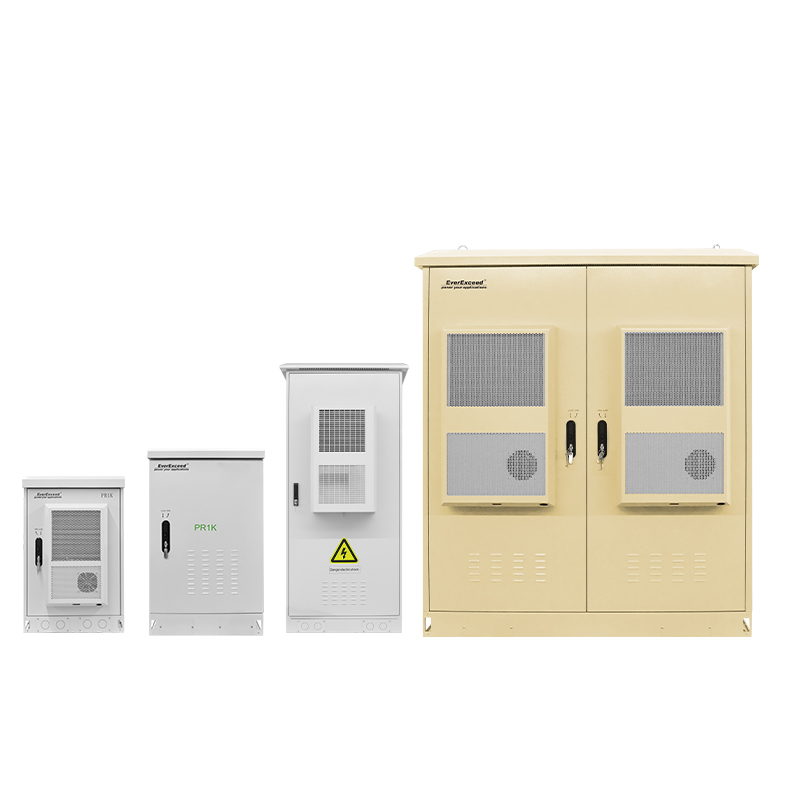
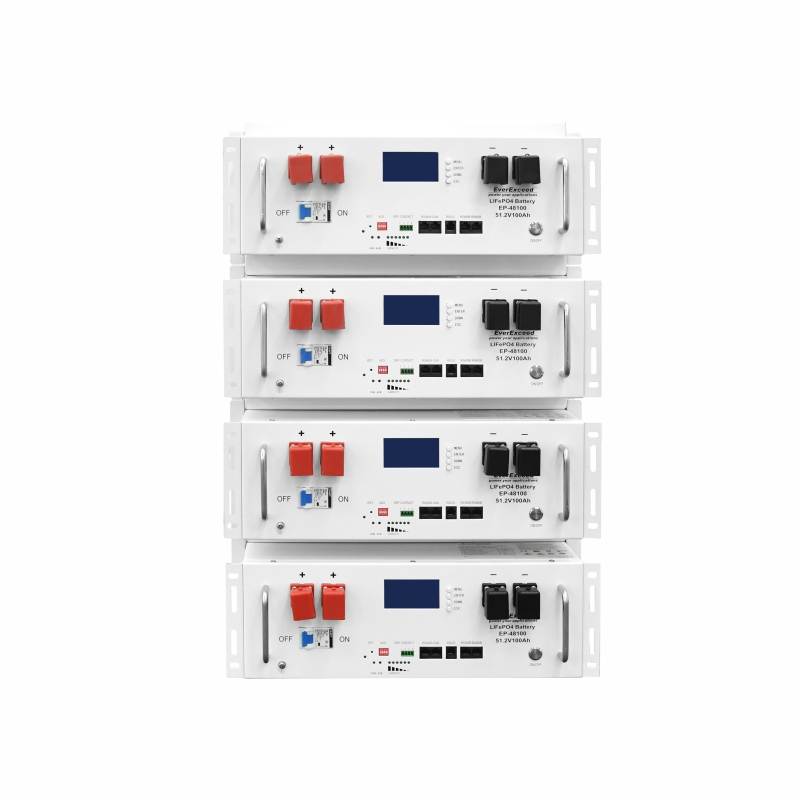
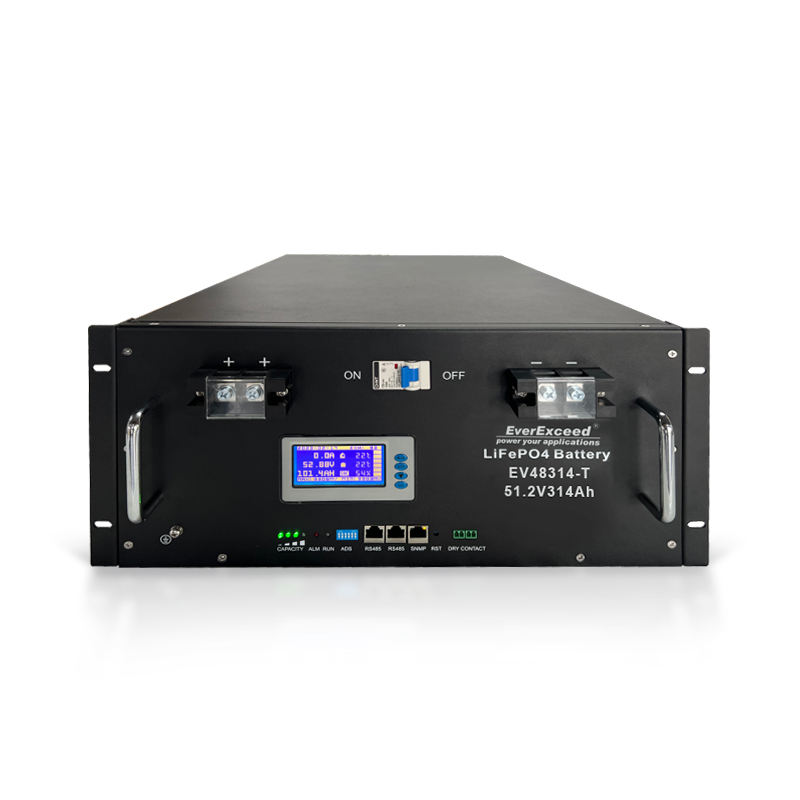
As a global provider of customized power and energy storage solutions, EverExceed delivers integrated battery energy storage solutions for commercial and industrial applications.
Combining advanced lithium battery technology, intelligent Battery Management Systems (BMS), and flexible system integration capabilities, EverExceed solutions are designed to support multiple energy management scenarios, including:
Peak Shaving and Energy Arbitrage: Optimizing charging and discharging strategies to reduce electricity costs and demand charges.
Solar PV and Battery Integration: Storing surplus renewable energy to increase solar self-consumption and improve energy utilization.
Backup Power and Energy Resilience: Supporting critical loads through appropriately configured energy storage and backup power systems.
Intelligent Energy Management: Enabling coordinated monitoring and control of battery storage and energy consumption.
With 20+ years of battery manufacturing experience and 10+ years of system integration expertise, EverExceed provides customized energy storage solutions to help businesses improve energy efficiency, optimize operating costs, and support long-term energy sustainability.
Looking to improve the ROI of your commercial and industrial energy storage investment?
Explore EverExceed's C&I Energy Storage Solutions and discover how customized battery storage systems can support your energy management goals.
Contact our professional technical team to discuss your project requirements.
tags :
categories
recent posts




scan to wechat:everexceed