Blog
Why Lead-Acid Batteries Should Not Be Charged at High Temperatures
23 May 2026

Charging lead-acid batteries at high temperatures poses significant safety risks, primarily due to the potential for thermal runaway—a dangerous chain reaction that can cause battery swelling, leakage, fire, or even explosion.

Core Risk: Thermal Runaway
Thermal runaway is one of the most severe failure modes for lead-acid batteries during charging. At elevated temperatures:

  • Heat Accumulation: Increased internal temperature raises the battery’s internal resistance, which can further increase charging current.
  • Vicious Cycle: Higher current generates more heat, accelerating the chemical reactions and pushing the battery into a dangerous feedback loop.
  • Loss of Control: This can lead to extreme deformation, swelling, or rupture of the battery casing.

Four Major Hazards of High-Temperature Charging

  1. Rapid Electrolyte Loss: High temperatures accelerate electrolyte evaporation—up to three times faster than normal—leading to capacity loss and premature battery failure.
  2. Significant Lifespan Reduction: When ambient temperature exceeds 40°C, battery life halves for every 10°C increase due to accelerated plate corrosion and irreversible damage.
  3. Severe Internal Corrosion: Elevated temperatures speed up chemical reactions, degrading the grid structure (especially the positive plates) and causing irreversible capacity decline.
  4. Fire & Explosion Risk: Thermal runaway can generate extreme heat instantly, and the hydrogen gas produced during charging can ignite, causing fires or explosions. Charging above 48.9°C reaches a critical safety threshold; overcharging to 130% capacity may raise internal temperatures to 400°C, and casing temperatures above 70°C can soften the battery shell, escalating risk.

Common Misconception: “Why does the battery feel more ‘powerful’ at high temperatures?”
High temperatures temporarily increase electrolyte activity, giving the illusion of higher instantaneous capacity.
Fact: This short-term performance comes at the cost of severely reduced battery lifespan. Continuous high-temperature operation accelerates irreversible chemical damage. Additionally, poor connections can create local hotspots above 300°C, igniting nearby combustible materials—threatening both the battery and the entire facility.

Practical Safety Recommendations

  1. Control Charging Environment: Charge in shaded, well-ventilated areas, avoiding direct sunlight and enclosed high-temperature spaces.
  2. Monitor Battery Temperature: If the battery becomes excessively hot during charging, stop immediately and allow it to cool before resuming.
  3. Follow Proper Charging Practices: Avoid overcharging; disconnect once full. If the battery shows swelling, deformation, or leakage, stop using it and consult professionals.
  4. Regular Inspection & Maintenance: Routinely check the battery casing, connection cables, and charging equipment to identify potential hazards.

EverExceed Solution Advantage

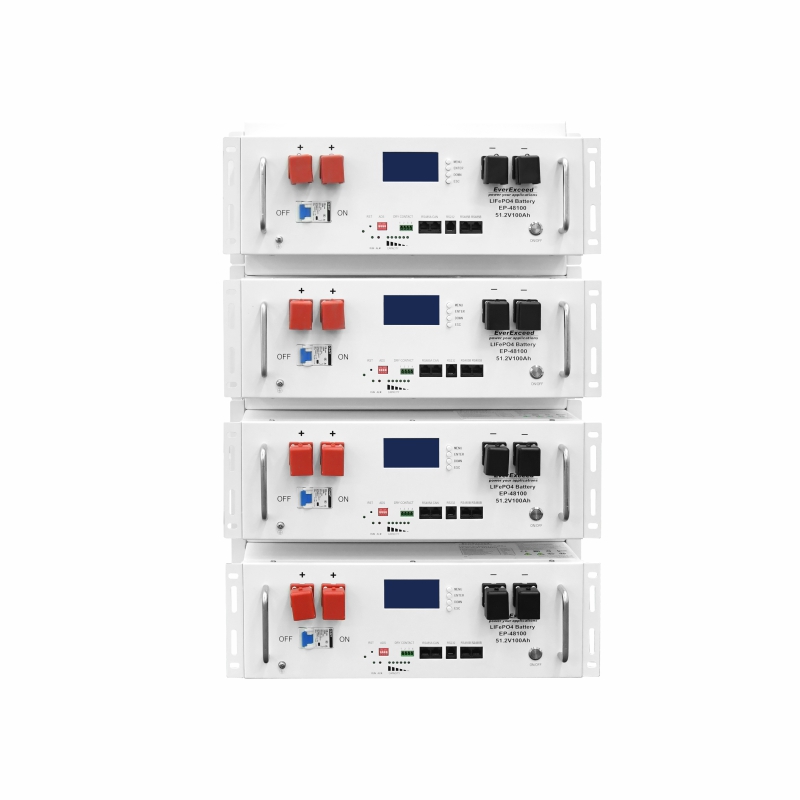
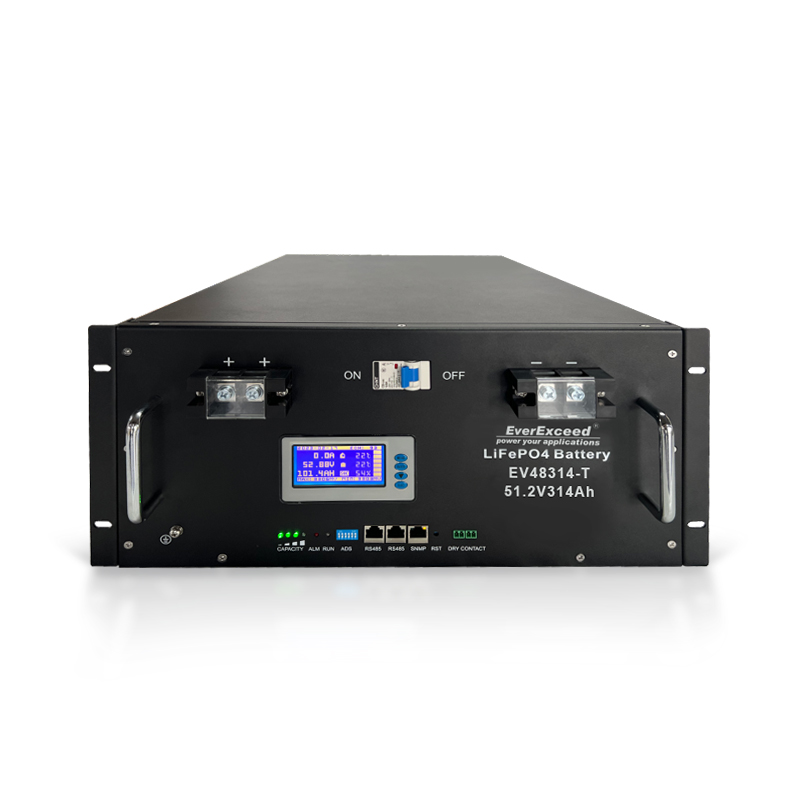
At EverExceed, we provide high-quality lead-acid and lithium battery solutions for communication base stations, UPS systems, and industrial applications. Our batteries are designed with enhanced thermal tolerance, robust BMS management, and long cycle life, ensuring safe operation even in demanding environments. By following proper charging and maintenance practices, operators can maximize battery performance while safeguarding both personnel and equipment.


EverExceed | A global leading manufacturer of customized AC/DC power solutions.
20+ years Battery Manufacturing Experience
10+ years System Integration Experience

leave a message
welcome to everexceed
If you are interested in our products and want to know more details,please leave a message here,we will reply you as soon as we can.

home

products

about

contact