Lithium batteries are widely used in modern energy storage applications due to their high energy density, long cycle life, and excellent efficiency. They are commonly found in solar energy storage systems, UPS backup power, telecom power systems, electric equipment, and industrial applications.
However, exposure to water or moisture may affect lithium battery performance and safety. Understanding the risks and taking proper precautions are essential to ensure reliable battery operation.
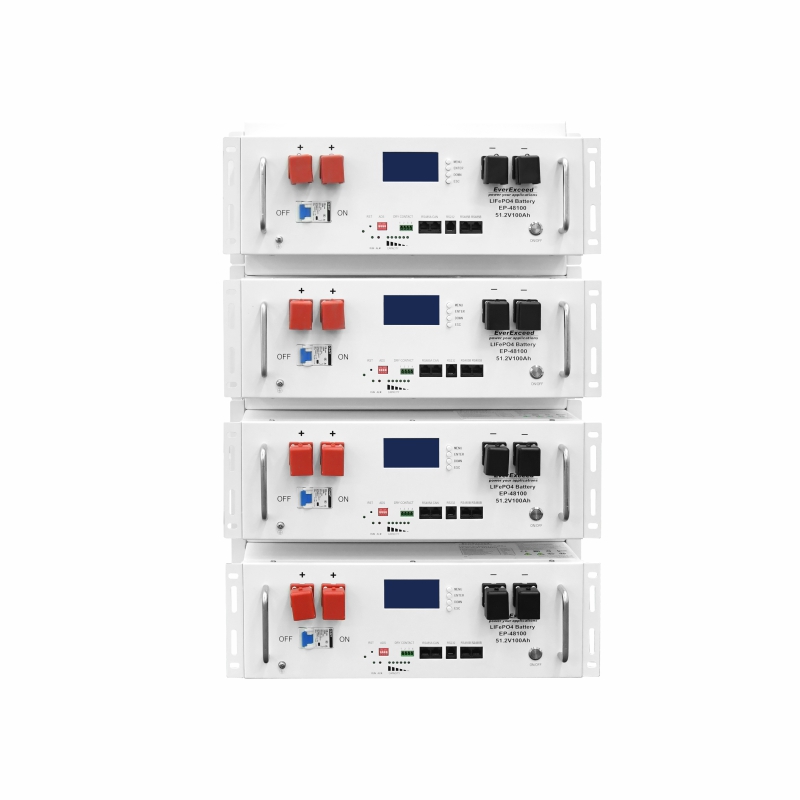
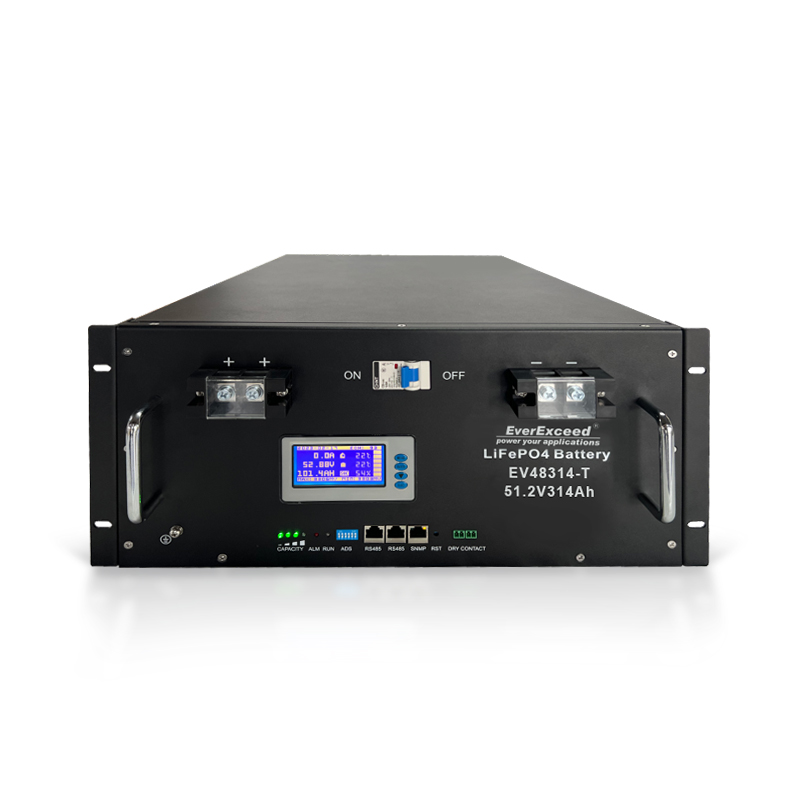
As a professional energy storage solution provider, EverExceed designs advanced Lithium Battery solutions with built-in safety protection features to help customers achieve reliable power performance in demanding environments.
Although high-quality lithium batteries are designed with protective structures, prolonged exposure to water or moisture may create potential risks, especially if the battery enclosure or electrical components are damaged.
Water can create unintended electrical paths between battery terminals or internal components.
A short circuit may result in:
For industrial applications, reliable battery protection systems such as Battery Management Systems (BMS) play an important role in monitoring voltage, current, and temperature to improve operational safety.
Moisture exposure may cause corrosion of:
Corrosion can increase electrical resistance, reduce charging efficiency, and affect the overall service life of the lithium battery.
Regular inspection and proper installation are especially important for lithium batteries used in outdoor environments, solar systems, telecom sites, and industrial applications.
If water enters the internal battery structure through damaged casing or sealing points, it may affect:
In severe cases, the battery may experience abnormal operation or permanent damage.
Therefore, a lithium battery exposed to water should not be used until it has been properly inspected.
If a lithium battery comes into contact with water, follow these safety precautions:
Do not continue operating a lithium battery that has been exposed to water, especially if:
Charging a wet battery may increase safety risks.
Before reuse, the battery should be completely inspected and confirmed safe by qualified personnel.
If the battery only has surface moisture:
Do not use high-temperature heating methods to force dry the battery.
If the lithium battery has been damaged by water or shows abnormal conditions, dispose of it according to local battery recycling and safety regulations.
EverExceed Lithium Battery solutions are designed for reliable operation in demanding energy storage applications, including:
Key safety features include:
Built-in Battery Management System continuously monitors battery status and provides protection against abnormal voltage, current, and temperature conditions.
EverExceed LiFePO₄ batteries provide excellent thermal stability and reliable performance for long-term industrial applications.
Designed with durable structures and protection features to support reliable operation in various environments.
EverExceed lithium batteries comply with international standards and certifications, supporting safe deployment in global markets.
To reduce the risk of moisture-related issues:
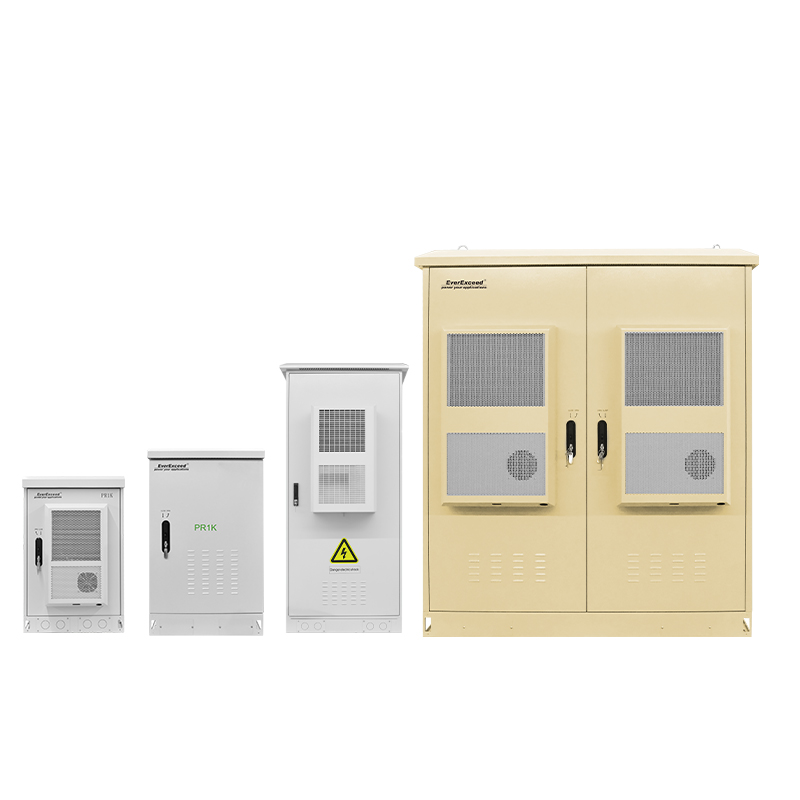
For outdoor and harsh environments, EverExceed provides reliable lithium battery solutions designed to deliver stable power performance and long service life.
Water exposure can negatively affect lithium battery performance and safety. Proper installation, protection, and maintenance are essential to maximize battery reliability.
With advanced LiFePO₄ technology, intelligent BMS protection, and years of battery manufacturing experience, EverExceed provides safe and dependable lithium battery solutions for critical power and energy storage applications worldwide.
categories
recent posts




scan to wechat:everexceed