Blog
Base Station Lithium Battery Application & Maintenance Guide
23 May 2026

With the deep rollout of 5G networks and the continuous growth of AI computing demands, the need for reliable energy storage in communication base stations is surging. Lithium batteries, with their high energy density, long cycle life, and fast charge-discharge capabilities, are increasingly replacing traditional lead-acid batteries, becoming the mainstream choice for base station energy storage.

I. Main Battery Types

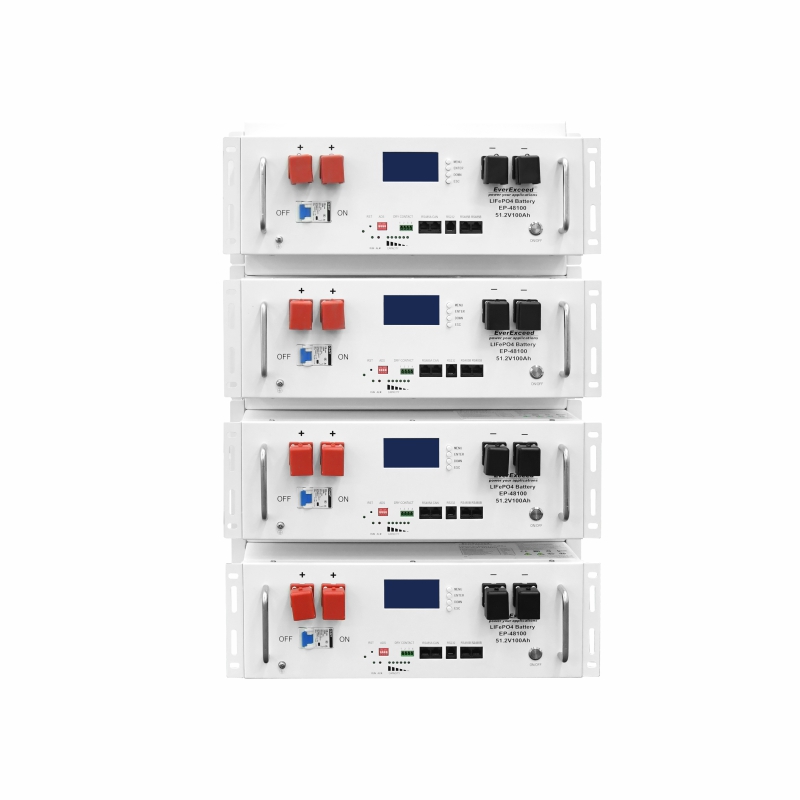
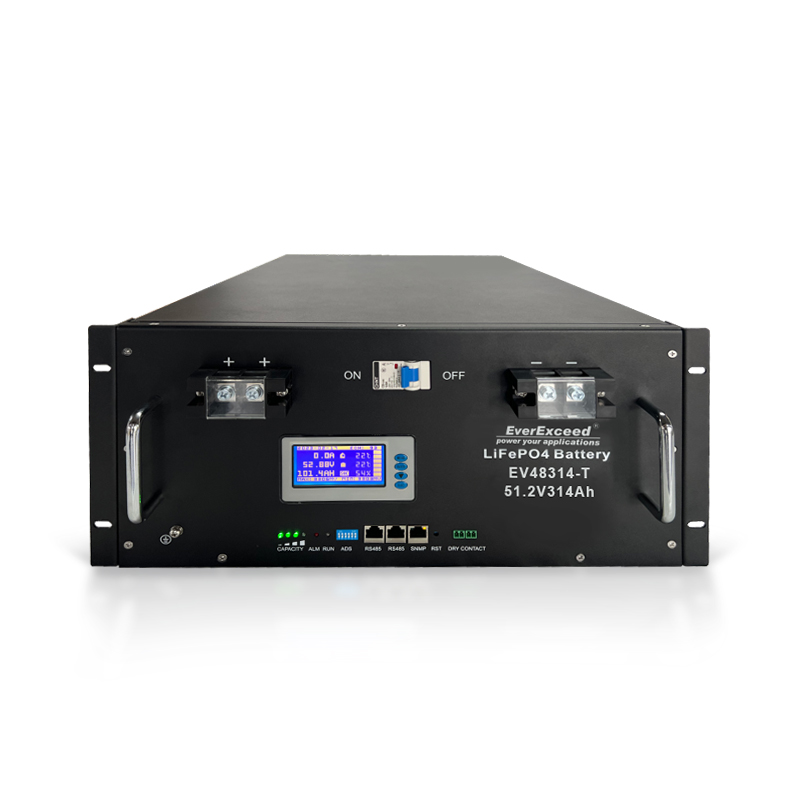
The most commonly adopted lithium technology for communication base stations is LiFePO₄ (Lithium Iron Phosphate). Its cathode material contains no heavy metals, offering higher reliability and better alignment with the high-dependability requirements of communication infrastructure. LiFePO₄ batteries feature long cycle life, high power density, and excellent environmental adaptability, making them the preferred solution for new base station deployments. In addition, emerging technologies such as semi-solid lithium batteries are being trialed. Their solid-state electrolytes significantly reduce short-circuit risks and prevent thermal runaway under extreme conditions like high temperatures or overcharge.

II. Key Application Scenarios

Base station lithium batteries have evolved into dual-purpose solutions, combining backup power with energy storage optimization:

  • Backup Power: Ensuring uninterrupted operation during grid outages remains the core function of base station lithium batteries.
  • Peak Shaving & Load Shifting: Charging during off-peak hours and discharging during peak periods to leverage energy cost differences.
  • Renewable Integration: In remote areas, lithium batteries can be integrated with solar or wind systems to form hybrid energy setups, reducing diesel generator operation.
  • Mixed Battery Management: Supporting the co-use of lead-acid, lithium iron phosphate, and sodium batteries with unified dispatch to optimize asset utilization and smooth expansion.
  • Repurposing Retired Batteries: Healthy cells from decommissioned UPS batteries can be redeployed in standard base stations, lowering costs.

III. Routine Inspection Guidelines

  • Environmental Control: Maintain base station temperature within an optimal range. Battery lifespan halves for every 10°C increase above the recommended range.
  • Cleanliness & Checkups: Regularly clean battery surfaces to prevent dust buildup that affects heat dissipation and insulation. Inspect terminals for tightness and corrosion.
  • Voltage Monitoring: Periodically measure battery pack voltage. Ensure cell voltage deviation stays within acceptable limits.

IV. Advanced Maintenance Practices

  • Capacity & Resistance Testing: Conduct routine capacity and internal resistance checks to detect early-stage degradation. Replace batteries if capacity drops ≥20% or internal resistance rises ≥50%.
  • Charge-Discharge Management: Occasional deep cycling can activate battery materials but should be controlled to prevent damage.
  • BMS Firmware Updates: Updating the Battery Management System (BMS) firmware improves charging algorithms, enhances thermal modeling, and patches safety vulnerabilities. Utilize maintenance windows for timely upgrades.
  • Smart Monitoring: Use base station monitoring systems to track voltage, current, and temperature in real time, enabling remote configuration and predictive maintenance.

V. Key Safety Protocols

  • Power Isolation: Always disconnect batteries from external circuits before performing any operations.
  • Personal Protective Equipment (PPE): Wear insulated gloves, safety goggles, and protective clothing.
  • Risk Prevention: Avoid short circuits, overheating, mechanical damage, static electricity, moisture, and metal accessories near batteries.
  • Fire Safety: Battery enclosures or racks should integrate automatic fire suppression systems for all-weather protection.

Conclusion

Base station lithium batteries have transformed from simple backup power units into strategic assets that combine power reliability, energy storage, and cost efficiency. Through proper use and maintenance, operators can ensure uninterrupted base station operation, optimize total cost of ownership (TCO), and accelerate progress toward carbon peak and carbon neutrality goals.

EverExceed | A global leading manufacturer of customized AC/DC power solutions.
20+ years Battery Manufacturing Experience
10+ years System Integration Experience

leave a message
welcome to everexceed
If you are interested in our products and want to know more details,please leave a message here,we will reply you as soon as we can.

home

products

about

contact