

EverExceed| A global leading manufacturer of customized AC/DC power solutions;
Comprehensive Industrial Chargers for Diversified DC Power Solution
We can customize More flexible, More reliable, More stable industrial battery chargers for lead acid batteries, nickel cadmium batteries and lithium batteries.
|
|
|
|
|
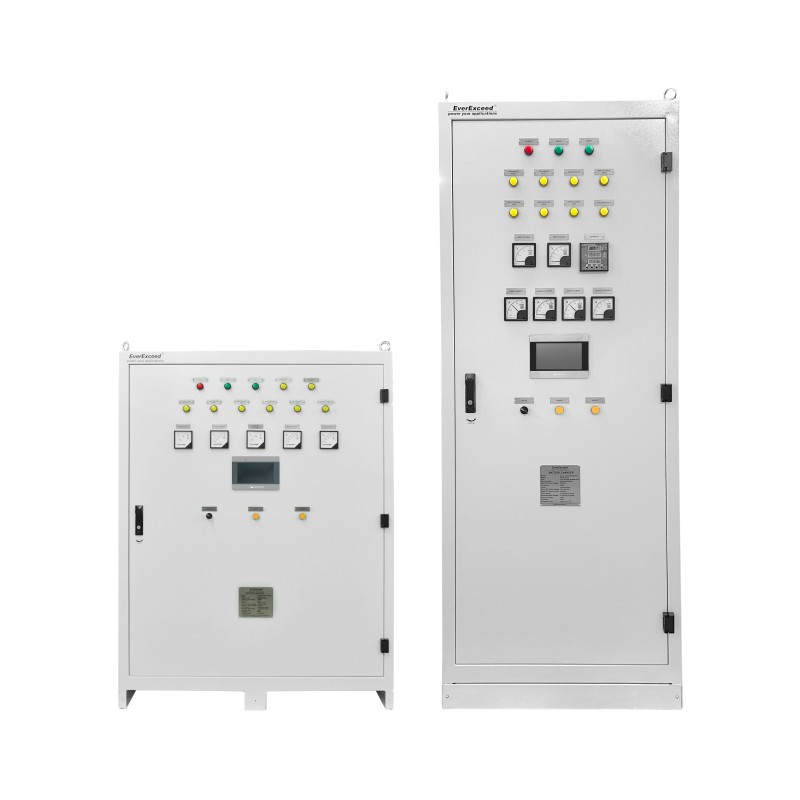
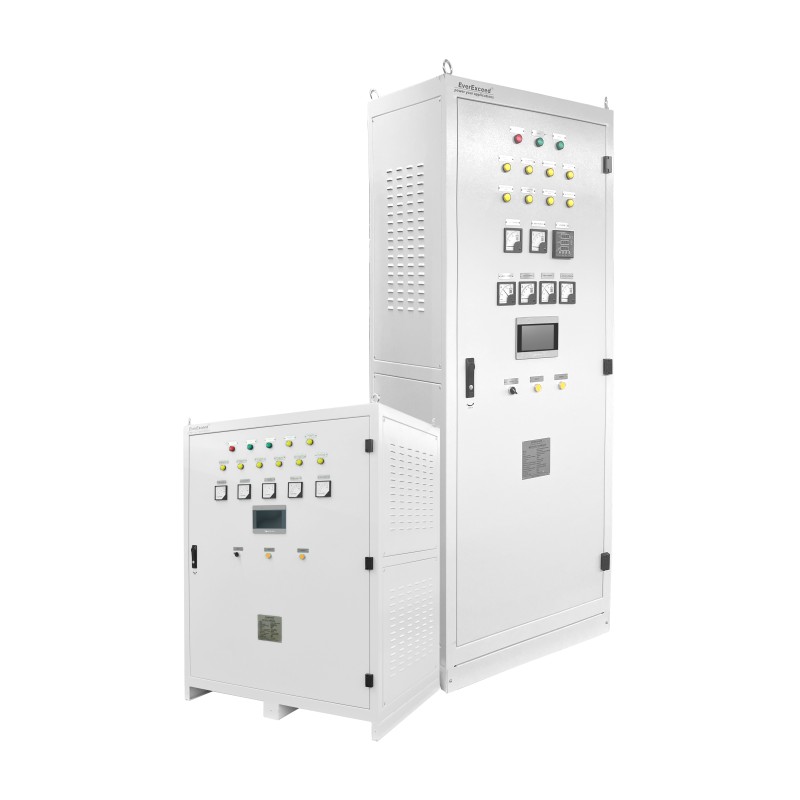
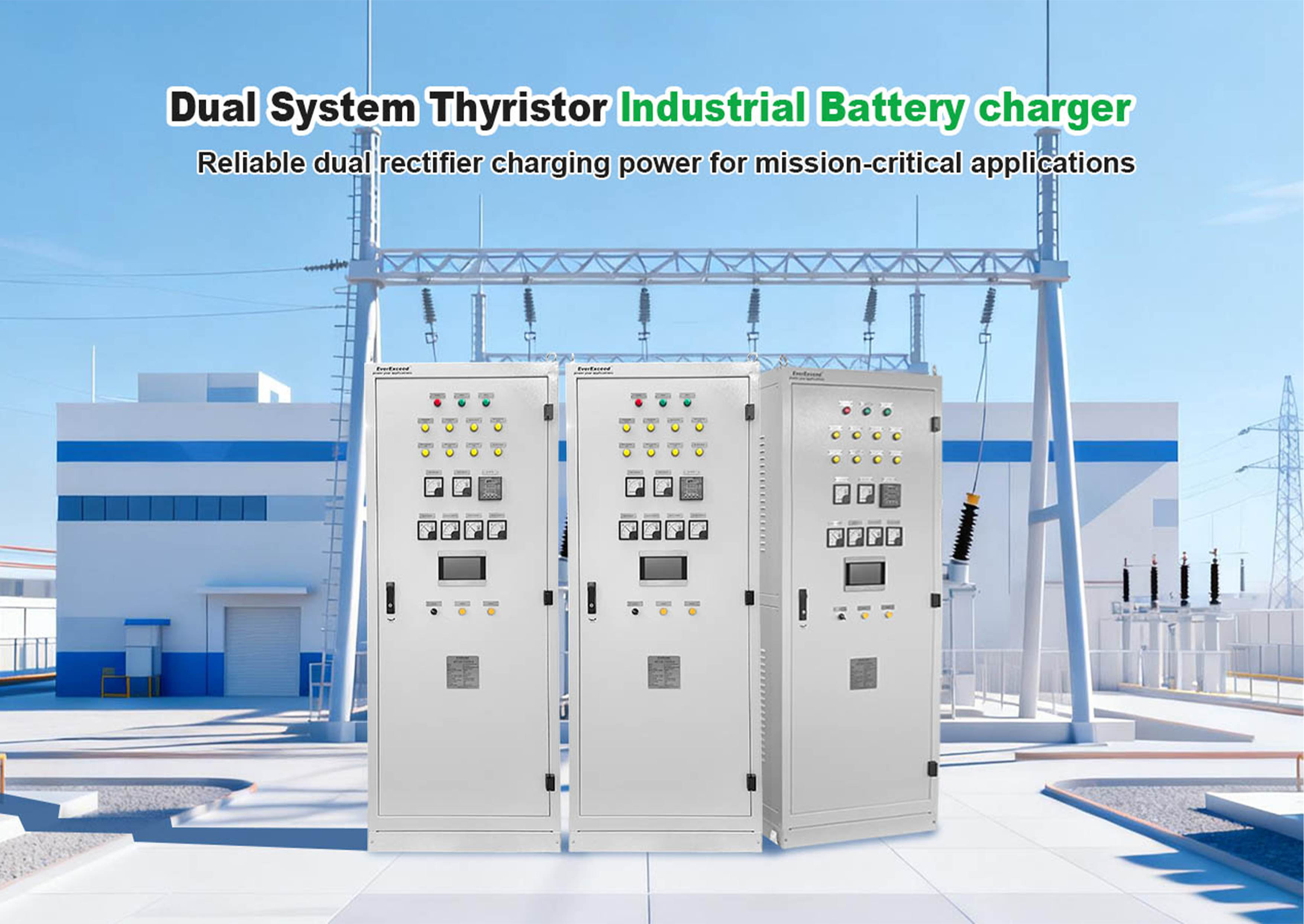
The chargers feature two independent systems in one cabinet, with outputs of 220V 80A and 16V 60A. |
Dual isolation transformers for voltage conversion and isolation. |
One system charges 105 batteries, the other 12, with power selectable from either charger or total voltage to meet varying voltage needs. |
|
|
|
|
|
The master unit runs under normal conditions, and the slave unit takes over in case of a fault. Once the fault is resolved, both units can operate together or independently. |
Supports Modbus TCP/IP communication and dry contact function, making it easy to connect with the customer’s system. |
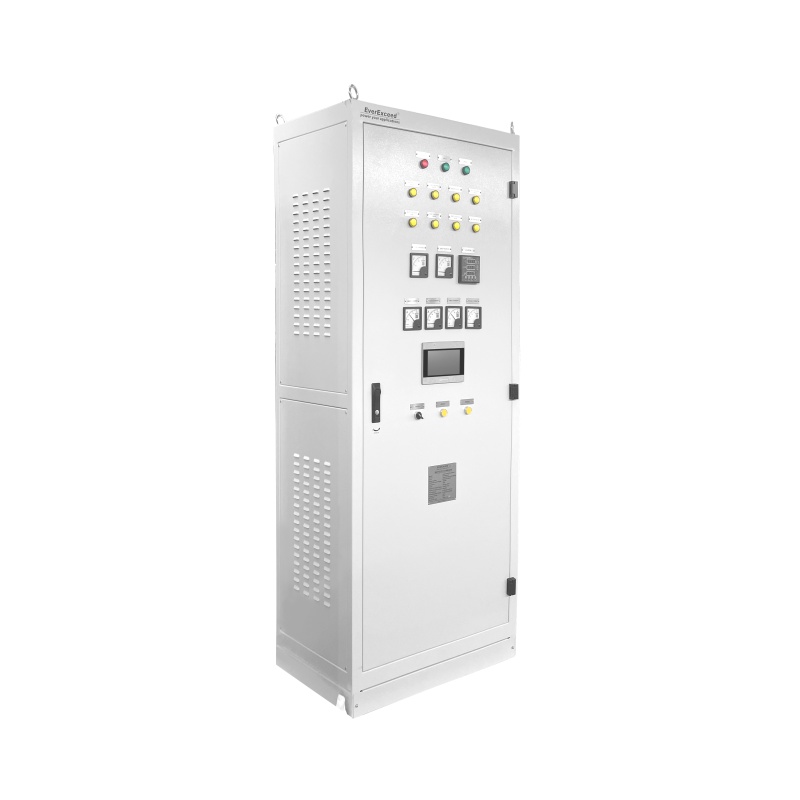
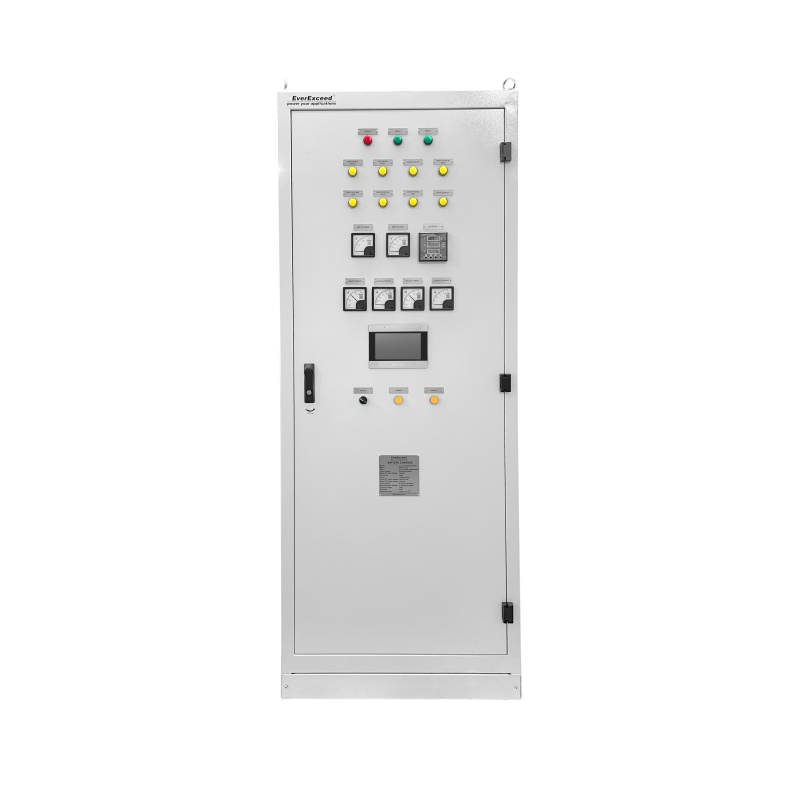
Customers can monitor charging status and real-time alarms via a touch screen. |
 Custom Dual-System Design
 Dual Isolation Transformers
 In Series Connection
 Modbus & Dry Contact Functionality
 Touch Screen Control
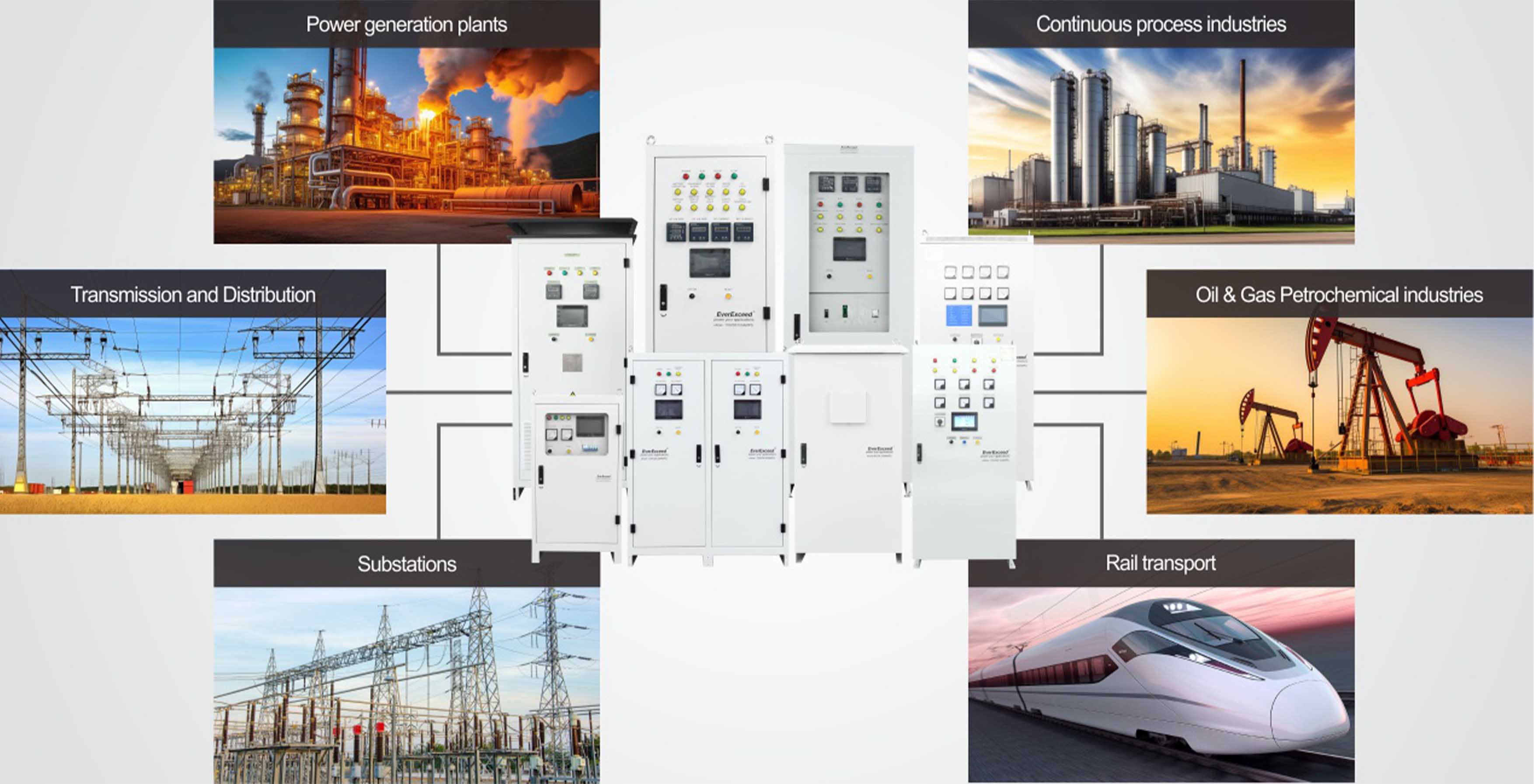
Applications