In remote areas—mountain villages, islands, deserts—telecom base stations rely on a pure off-grid setup: solar panels + energy storage + backup generator. This ensures continuous operation where no grid power exists.
Given that household and commercial energy storage systems are already widely available, it’s natural to ask: why not just use them for telecom sites? Why develop specialized telecom power systems?
The answer is simple: home and commercial storage are designed for electricity-centric applications, while base stations are communication-centric DC loads. Their requirements for control, reliability, and environmental resilience are completely different.
Base stations draw constant DC power, unlike household appliances or industrial equipment.
Base stations, on the other hand, require -48V DC with ultra-low ripple, and their loads can change drastically in milliseconds. Standard inverters from home or industrial storage aren’t designed for this kind of rapid response.
Energy storage for homes or businesses often optimizes cost savings, charging or discharging based on electricity rates.
For off-grid telecom, keeping the network online comes first. Telecom power systems prioritize the base station load, then optimize solar utilization and generator efficiency. Features like priority load shedding ensure that non-critical systems are powered down first when battery levels are low—a capability that typical home or industrial systems don’t have.
Home storage is usually indoors or in shaded areas, and industrial storage often sits in controlled containers.
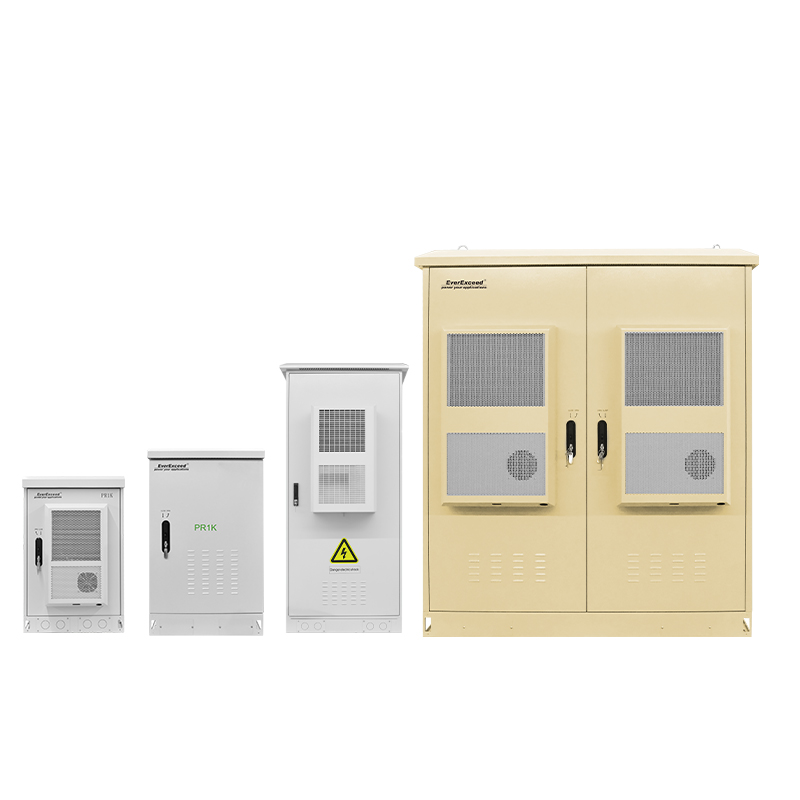
Off-grid base stations face extreme temperatures, high humidity, and corrosive environments. Batteries and power systems must withstand temperatures from -30°C to 50°C, heavy salt exposure, and more. Telecom-grade LiFePO₄ batteries and power systems are built with rugged components, IP55+ protection, and three-proof coatings, far beyond standard consumer or commercial products.
All telecom equipment runs on -48V DC, with strict negative-ground protocols.
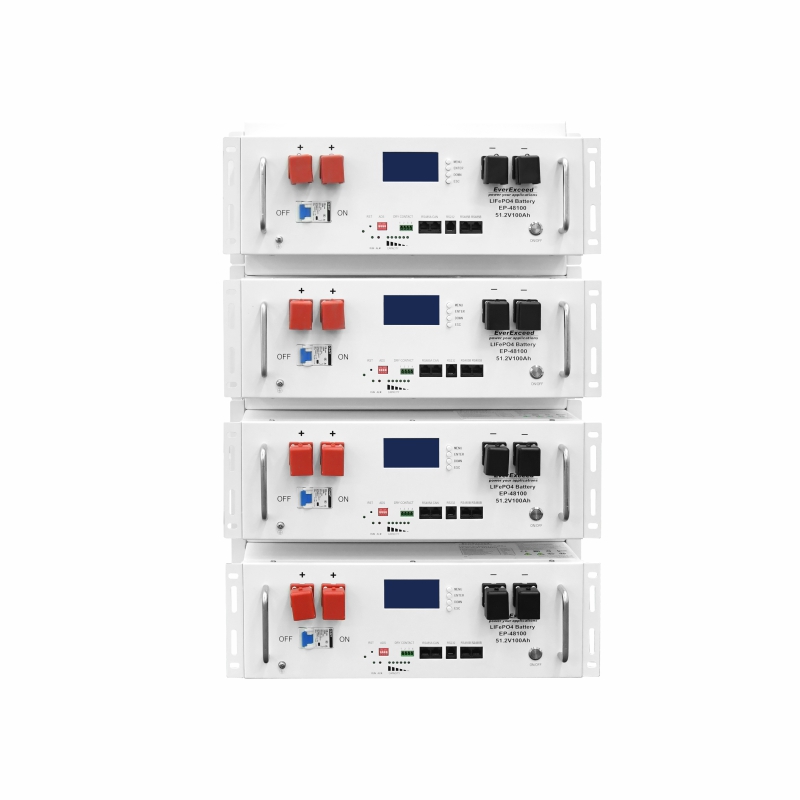
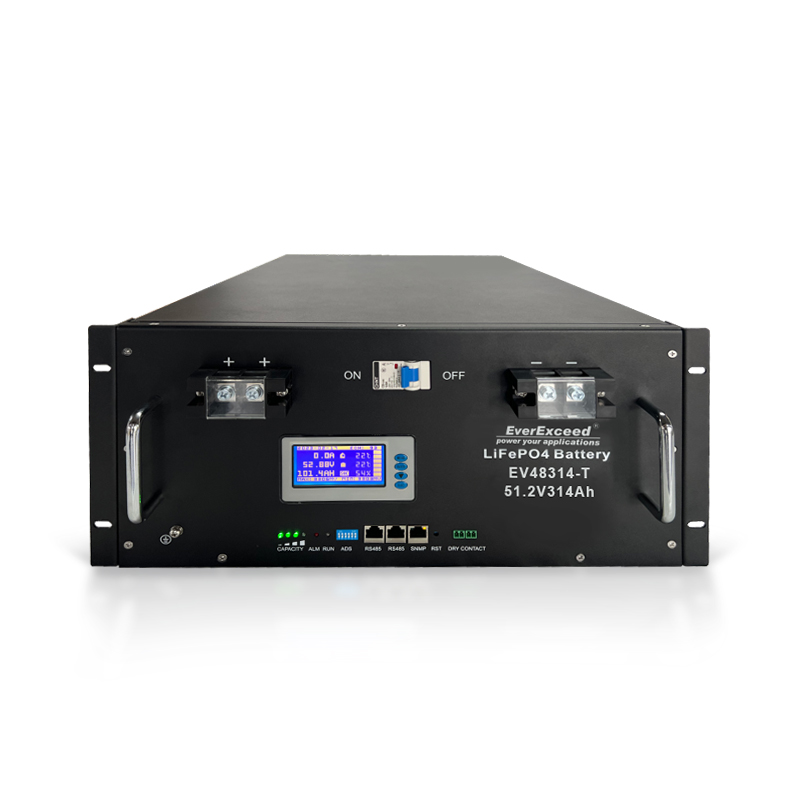
Most home and commercial storage systems use 48V, 96V, 192V, or higher DC voltages without negative-ground design. Directly connecting them can cause voltage mismatches and communication failures, as they lack the necessary BMS integration and industry-specific protocols. Telecom power systems are designed end-to-end for the -48V ecosystem, backed by decades of industry experience.
Off-grid sites are often hundreds of kilometers from service centers, so monitoring and maintenance must be remote-friendly and simple to perform onsite.
Telecom systems support hot-swappable modules for quick replacements. Household or commercial units are usually integrated designs—if something fails, the whole unit may need to be returned for service, which is impractical for remote sites.
Household and commercial energy storage aren’t “wrong”—they’re just not suited for telecom applications.
A dedicated -48V DC telecom power system is designed to handle extreme environments, high-priority loads, fast-response demands, and remote maintenance needs. For off-grid base stations, using industry-tested telecom-grade systems is more reliable, more economical, and far less stressful than attempting to adapt consumer or commercial energy storage.
categories
recent posts




scan to wechat:everexceed