With 5G rolling out, base station power systems are under unprecedented stress. The long-trusted -48V DC system now faces a huge challenge: single-site power consumption is 2.5–3 times that of 4G, and AAUs (Active Antenna Units) experience peak currents that double in an instant—all while cabinet space remains unchanged. Operators quickly realize that power capacity, backup runtime, and cooling solutions designed for 4G are no longer sufficient.
So what’s the solution? Reinventing the wheel is not realistic. But giving new life to this “30-year-old standard” is possible with a clear strategy: expand rectifier capacity, switch to lithium batteries, and implement intelligent peak shaving.
A typical 48V base station power system consists of rectifier modules, battery banks, and distribution units. After 5G upgrades, pressure points emerge:
· Rectifier modules: Load rates spike from 30% to over 80%, reducing redundancy. If a module fails, remaining modules risk overload protection.
· Lead-acid batteries: High-rate discharge drastically reduces usable capacity. A 100Ah lead-acid battery may only deliver 60Ah at 1C discharge, cutting backup time from 3 hours to less than 1 hour.
· Distribution units: Fuses and cables can overheat or degrade under sustained overload, creating potential safety risks.
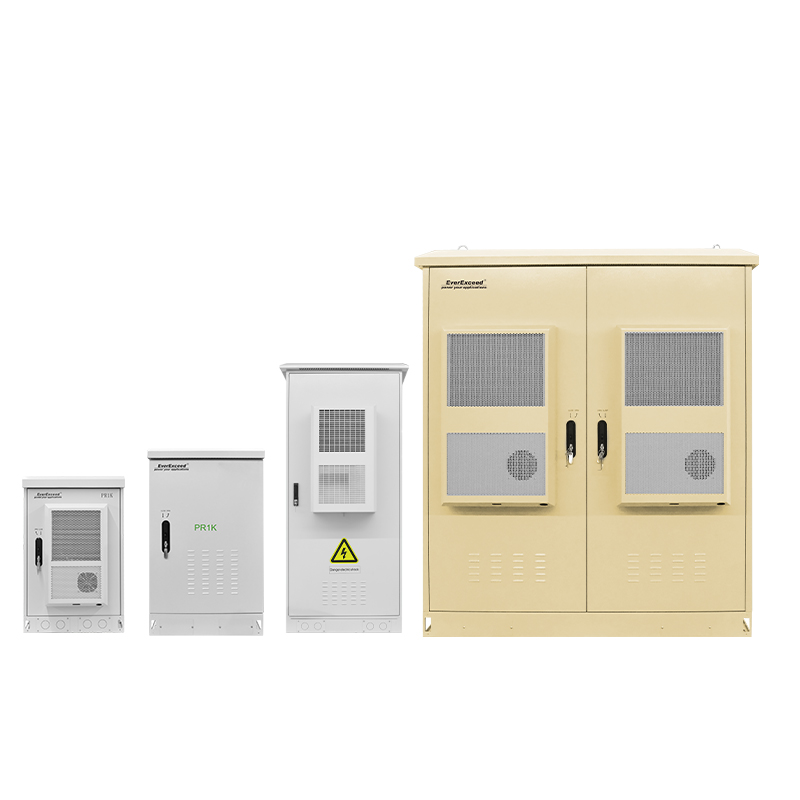
The straightforward solution—adding more modules or batteries—is limited by cabinet space. This has led operators to adopt a “non-invasive organ transplant” approach: upgrading components without increasing footprint.
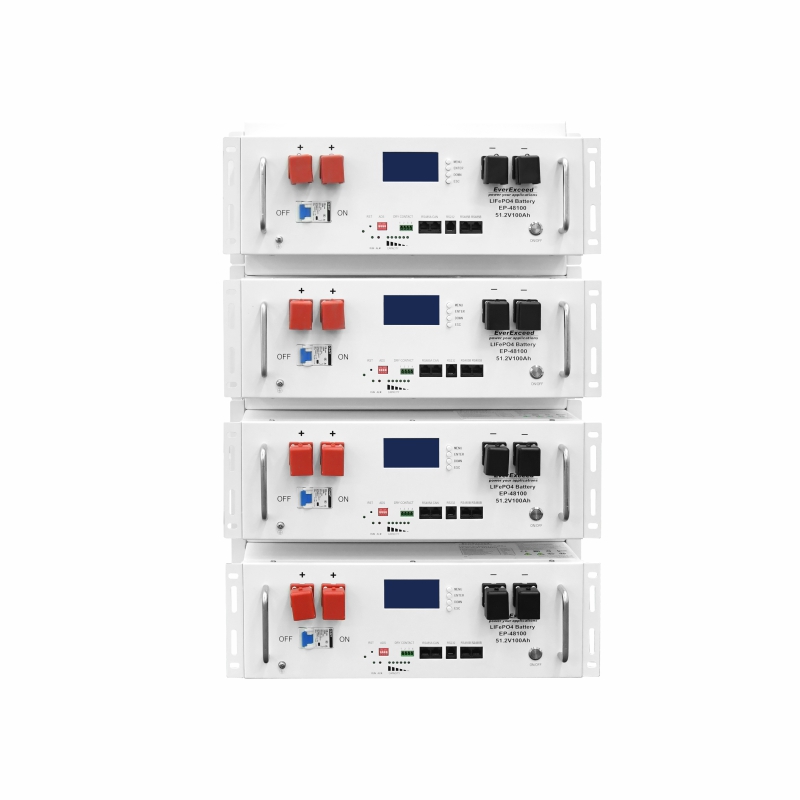
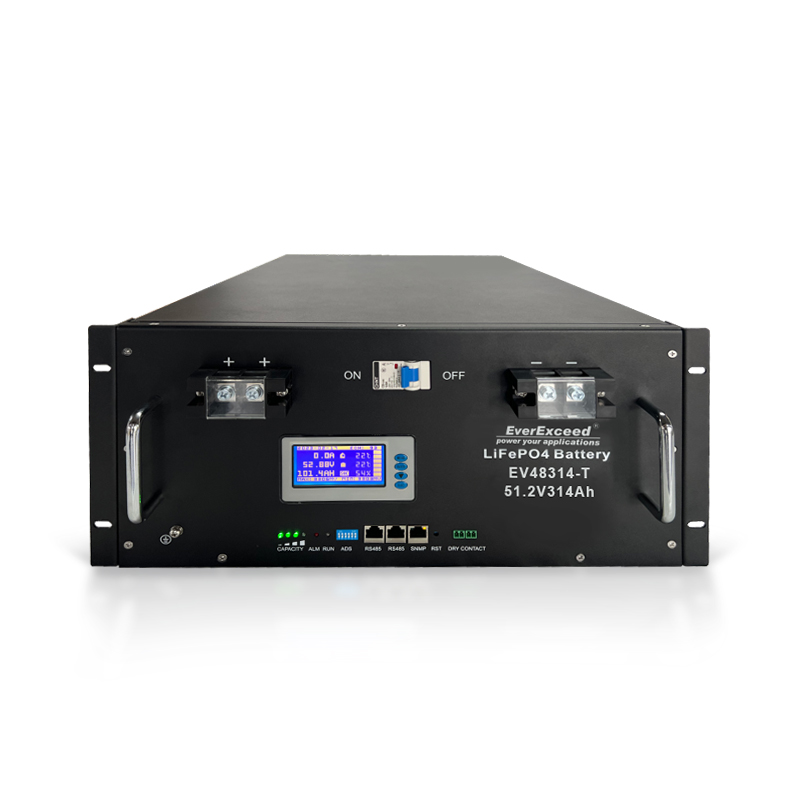
Lithium iron phosphate (LiFePO₄) batteries are now the go-to choice for 5G base stations. Advantages over lead-acid are clear:
· Higher energy density, smaller footprint: 10kWh of lead-acid may need a 600mm deep cabinet, while lithium modules fit in 2U–3U racks.
· High-rate discharge: Supports 1C–2C discharge, easily handling AAU peak currents.
· Fast recharge: Fully charges in 30–60 minutes, ready for the next power outage.
More importantly, lithium enables active energy management. Operators can charge batteries during off-peak electricity hours and discharge during peak loads. This reduces grid stress and electricity bills. In some regions, a single base station can save thousands annually, while the extra cost of lithium battery cycles is far lower than the savings.
5G upgrades also highlight limited grid capacity. Many older sites have transformers sized for 4G, which may overload during peak hours. Replacing transformers is expensive and time-consuming, so smart systems are the solution:
· Intelligent peak shaving: The system monitors grid input current in real time. When approaching transformer limits, lithium batteries automatically assist, keeping total input within safe limits.
· Dynamic capacity management: Rectifier modules adjust their operating and standby status according to load, maintaining redundancy while reducing idle losses. During low traffic periods, most rectifiers can shut down, with lithium batteries maintaining ultra-low standby power.
1. Urban dense sites: Limited cabinet space makes lithium replacement the only viable solution.
2. Regions with high electricity price variation: Peak shaving can pay off in 1–2 years.
3. Suburban sites with limited grid capacity: Intelligent peak shaving avoids costly transformer upgrades.
4. Off-grid or weak-grid locations overseas: Lithium + solar + smart generator scheduling can cut diesel consumption by 40% or more.
The doubled power demand of 5G base stations pushes traditional 48V DC systems to their limits. By combining lithium batteries, intelligent peak shaving, and dynamic capacity management, operators can upgrade base stations without expanding cabinets, reduce energy costs, and extend equipment life.
The “old standard” has found a new lease on life—smart, compact, and efficient. The question is: Is your base station ready for 5G?
categories
recent posts




scan to wechat:everexceed