Discover how telecom operators achieve year-round, low-maintenance, and intelligent off-grid power with solar PV and lithium iron phosphate batteries.
As telecom networks expand into remote areas, operators face a key challenge: how can off-grid base stations run reliably without grid power?
Urban sites rely on stable electricity, but in mountains, islands, deserts, or rural areas, grid access is often impossible or unstable. Traditional grid + lead-acid battery solutions struggle in these conditions. Increasingly, telecom operators are adopting solar PV and lithium iron phosphate (LiFePO₄) batteries with intelligent energy management to ensure reliable off-grid power.
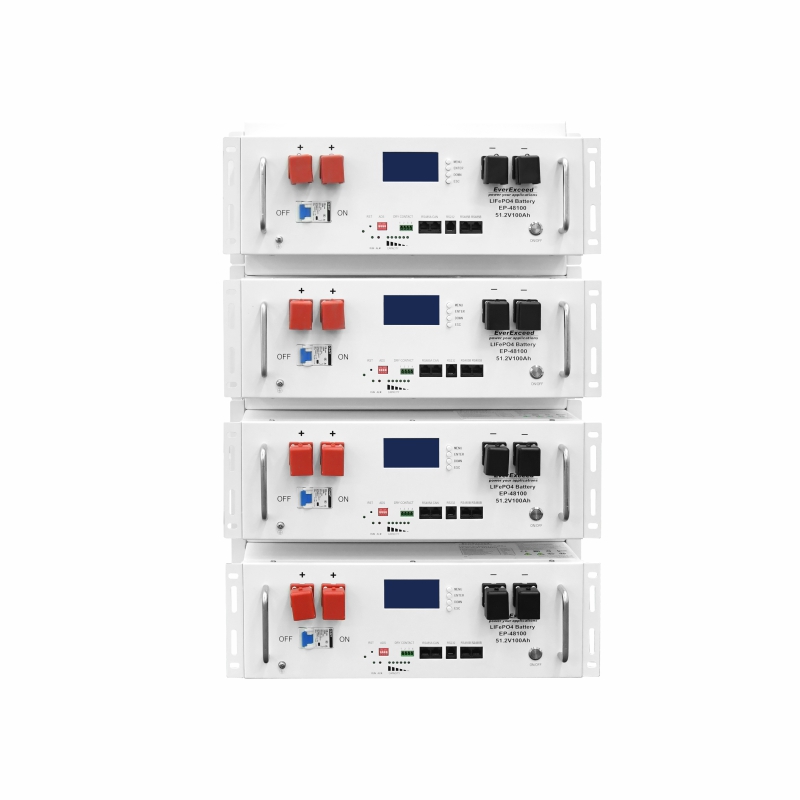
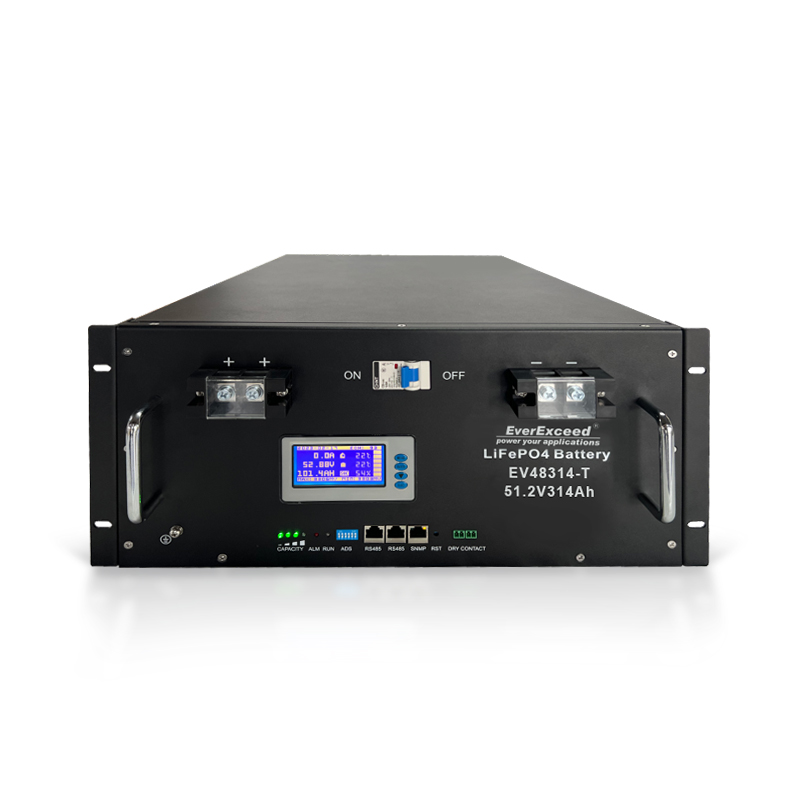
This approach fully supports the -48V DC standard, so base station equipment remains unchanged while enabling year-round, uninterrupted operation for remote sites.
Historically, off-grid base stations used diesel generators and lead-acid batteries, but faced three main problems:
These challenges push operators to adopt reliable, low-maintenance off-grid energy solutions.
The -48V DC standard remains critical due to:
Solar + lithium battery systems maintain the -48V DC bus while supplying renewable power.
This solution solves traditional off-grid issues:
Adaptability to Harsh Environments
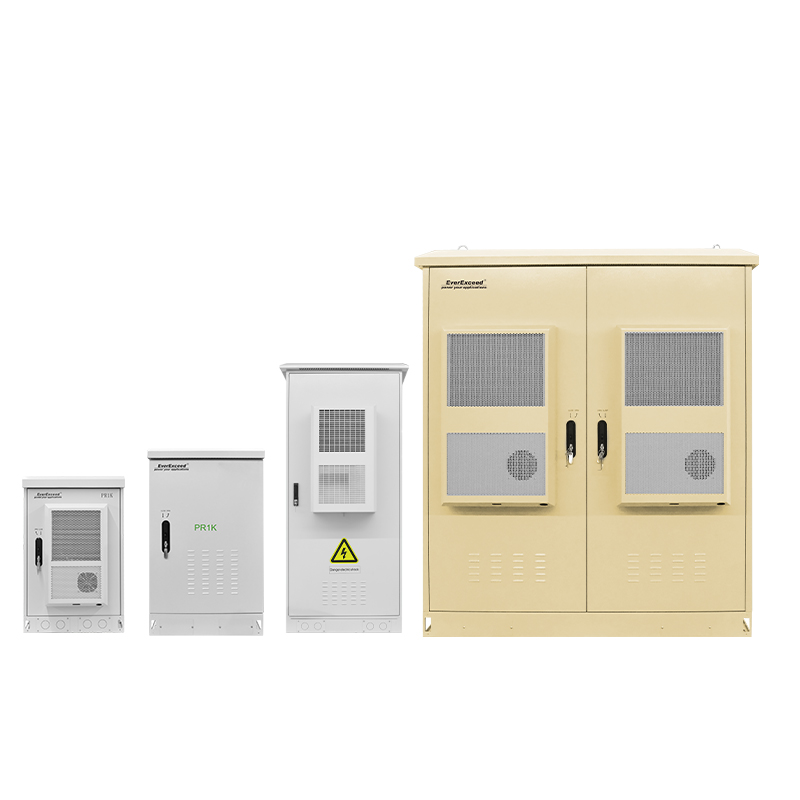
Remote base stations face extreme conditions. Robust systems must:
Operators typically consider three approaches:
Modern solar + lithium systems evolve into intelligent energy platforms, supporting remote upgrades, multiple protocols (Modbus, SNMP), and AI-driven energy optimization. Off-grid sites are no longer isolated but smart nodes in the telecom energy network.
Conclusion
Combining solar PV with lithium batteries addresses fuel, lifespan, and maintenance challenges while maintaining -48V compatibility. With intelligent monitoring and robust adaptability, this solution is the global standard for reliable off-grid telecom infrastructure.
categories
recent posts




scan to wechat:everexceed