Many newcomers to industrial energy storage systems and commercial energy storage solutions tend to think of them simply as “big batteries with big chargers.” While not entirely wrong, this perspective barely scratches the surface. Unlike conventional chargers, which primarily convert AC to DC to charge a battery, industrial and commercial energy storage systems are complex energy management platforms. They not only charge and discharge but also perform peak shaving and load management, demand response, PV solar energy storage, reverse current prevention, and even microgrid backup power operations. At the heart of this complexity lie three critical components: the Power Conversion System (PCS), the Battery Management System (BMS), and the Energy Management System (EMS).
A conventional charger focuses on output voltage, current, float charging, equalization, current limiting, and protection. Its control targets are relatively straightforward, mainly the battery itself. In contrast, industrial and commercial energy storage systems interact with the grid, local loads, batteries, PV solar energy, transformer capacity, electricity tariffs, and grid codes.
For example, a commercial facility may have high daytime loads and lower nighttime loads. The storage system should charge during low-tariff periods and discharge during peak demand. If the grid connection nears its capacity limit, the system must discharge to perform peak shaving and load management. If PV generation is excessive, the system should absorb surplus energy to prevent curtailment.
The PCS is the bidirectional inverter of the energy storage system. It converts AC to DC for battery charging and DC back to AC to supply loads or feed the grid. This bidirectional capability sets it apart from traditional chargers, which typically only handle charging.
PCS functions go beyond power output—they include fast response to power commands, grid voltage and frequency adaptability, over/under voltage and frequency protection, reactive power control, anti-islanding strategies, and coordination with switchgear and transfer systems.
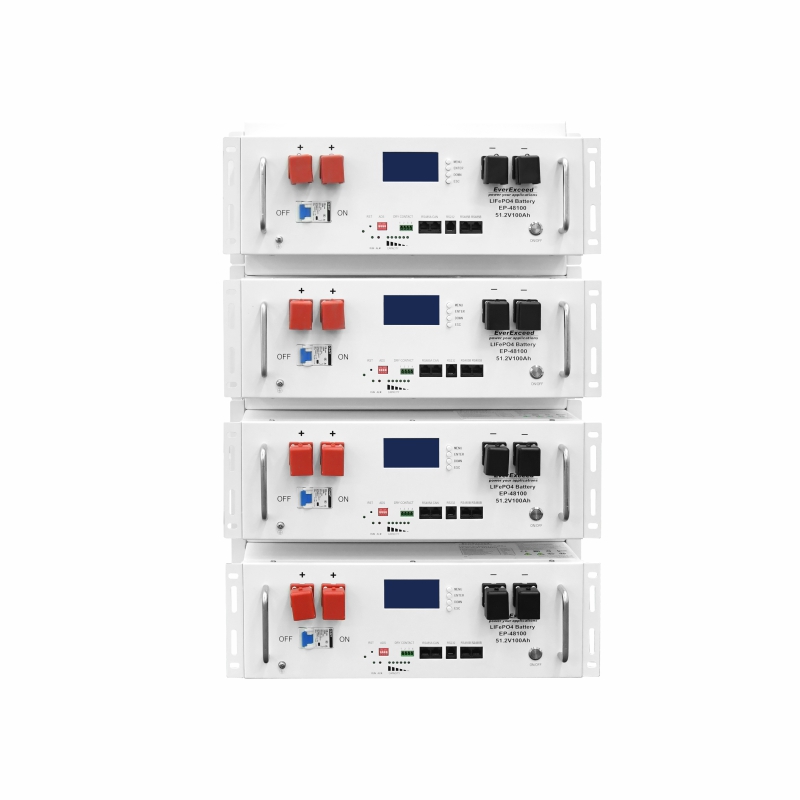
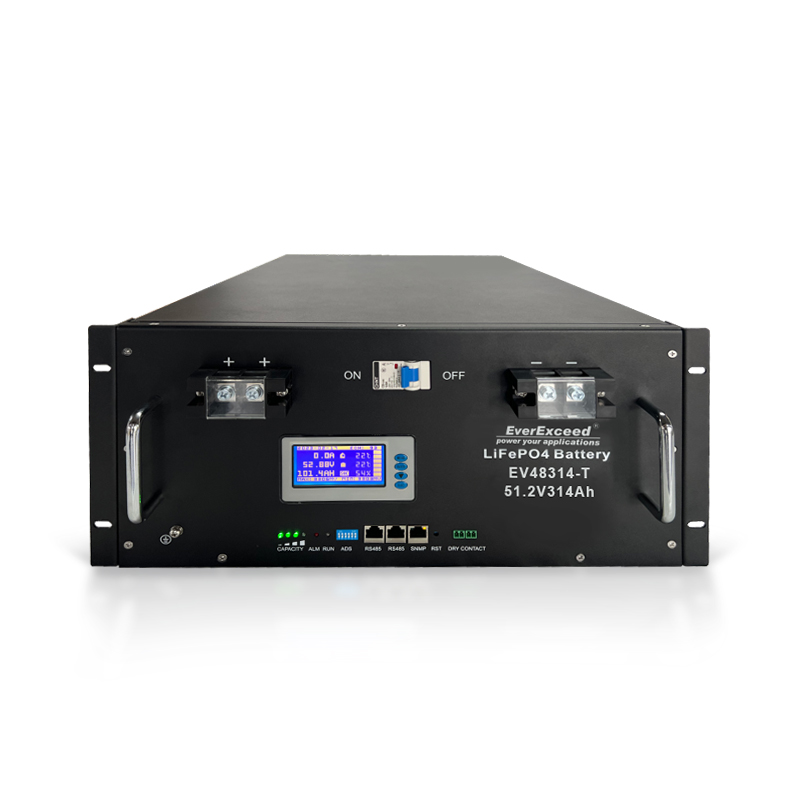
Industrial energy storage systems consist of hundreds or thousands of cells in series and parallel. The BMS does more than monitor voltage and temperature—it tracks state-of-charge (SOC), state-of-health (SOH), insulation status, charge/discharge capability, alarm levels, and contactor control.
PCS output is limited by what the BMS allows. If the BMS detects high temperature, low SOC, or cell imbalance, it can limit or even block charging/discharging, protecting both the battery and the system.
If PCS is the executor and BMS is the safety officer, EMS is the dispatcher. It calculates optimal charge/discharge schedules based on grid power, load profiles, tariff periods, PV generation, SOC, demand limits, and user strategies.
· Peak shaving & valley filling: Charge during low-tariff periods, discharge during peak loads.
· Demand response & management: Prevent excess grid draw at critical connection points.
· PV solar energy storage: Store excess solar energy for later use, increasing self-consumption.
· Microgrid backup power: Support critical loads during grid outages.
1. No bidirectional operation: Traditional chargers can only charge; they cannot feed energy back to AC loads.
2. Limited grid interaction: I&C storage must comply with grid codes, anti-islanding, and power quality requirements—beyond what chargers can do.
3. Inability to implement complex strategies: Peak shaving and load management, demand response, PV solar energy storage, and microgrid backup power require real-time PCS-EMS coordination.
4. Different safety requirements: Large battery energy requires multi-layer safety interlocks across BMS, PCS, EMS, and environmental protection systems—not just current limiting.
· Factory peak shaving: Charge at night, discharge during day to reduce electricity costs.
· Demand management: Discharge when connection limits are approached to avoid excess demand charges.
· PV plus storage: Store excess solar energy for later use, increasing self-consumption.
· Microgrid backup power: Support critical loads during grid outages.
Industrial and commercial energy storage systems are not “just bigger chargers.” Their true value lies in energy management capability. PCS handles power conversion, BMS ensures battery safety, and EMS orchestrates intelligent dispatch. Only when these three work together can the system achieve peak shaving and load management, cost reduction, backup power, and PV solar energy optimization. Relying on traditional charger thinking risks overlooking the real core of energy storage—intelligent control.
categories
recent posts




scan to wechat:everexceed