At first glance, “48V DC” sounds universal—but in reality, the 48V from a substation DC panel and a telecom base station are not interchangeable. Trying to swap them can lead to performance issues—or even safety hazards. Here’s why.
Telecom base stations use a -48V system, meaning the positive is grounded and the negative provides the -48V output. This design minimizes corrosion in widely distributed cable networks—a key concern when cable joints are exposed outdoors.
Substation DC panels, in contrast, usually provide +48V (or 110V/220V) with either negative-grounded or floating configurations. This matches the requirements of protection relays and control devices in substations. Connecting a base station module to a substation panel—or vice versa—can cause equipment failure or damage.
Substation DC panels mainly power circuit breakers and relay mechanisms, which require short, high-current pulses lasting tens of milliseconds. Their chargers rely on batteries to absorb these surges, and fast dynamic response is less critical.
Telecom base stations, however, power communication electronics that demand very stable voltage with minimal ripple (<1%) and fast transient response—but almost no high-current surges. Each system is optimized for its load, making them unsuitable for direct interchange.
Substation panels typically use lead-acid or nickel-cadmium batteries because:
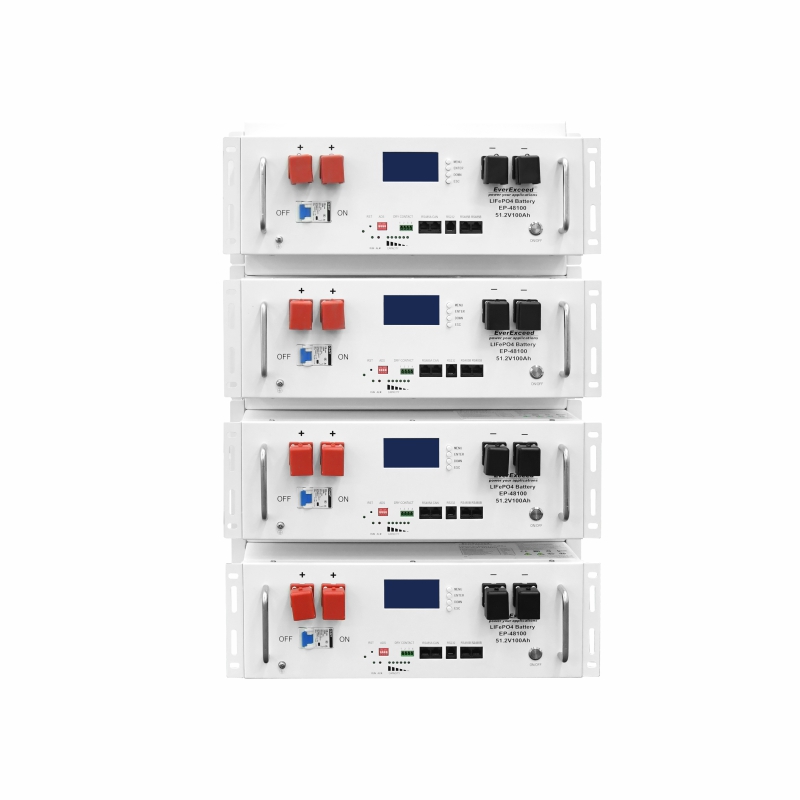
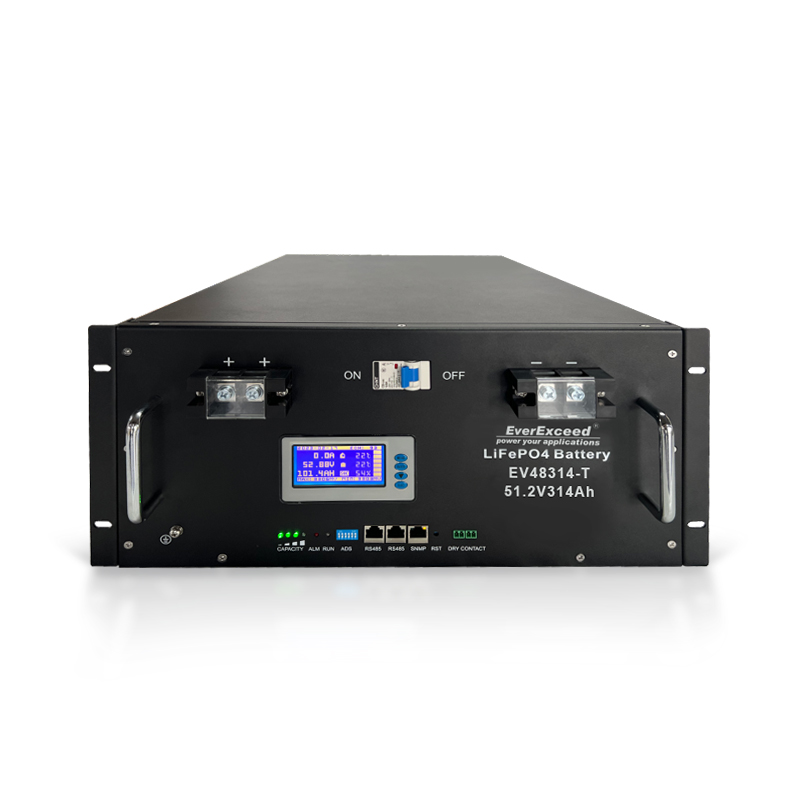
Telecom base stations, in contrast, often use lithium batteries for frequent cycling, fast charging, and space efficiency. Using lithium in a substation panel without proper charger and BMS support introduces risk. Substation panels don’t avoid lithium because it’s impossible—they simply don’t need it.
Substation DC panels follow power-industry standards (DL/T 5044, IEC 61850), emphasizing absolute reliability, interference immunity, and long service life. A single module failure can have serious consequences for the grid.
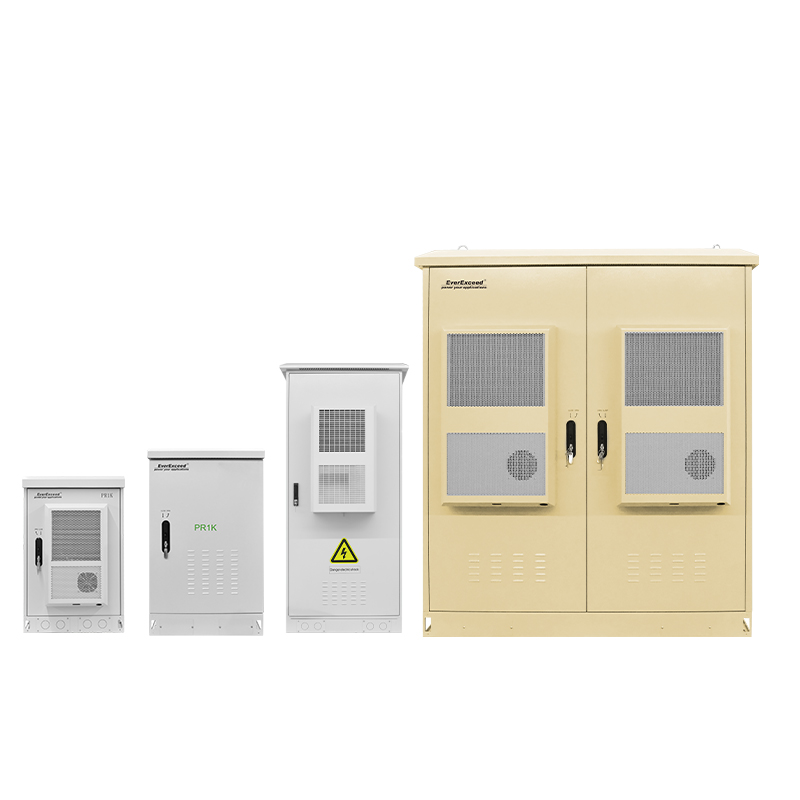
Telecom base station power systems follow telecom standards (ETSI EN 300 132). They focus on high power density, maintainability, remote monitoring, and modular redundancy, rather than maximizing the lifespan of a single module. This design matches the telecom environment: compact outdoor cabinets, quick module replacement, and scalable reliability.
Even though both systems are “48V DC,” they belong to different technical worlds. Polarity, grounding, load characteristics, battery type, and reliability standards all differ. Voltage alone does not guarantee compatibility—system design and intended application matter most.
Understanding this distinction explains why substation panels and telecom base station power systems operate separately. In industrial engineering, same numbers do not mean same application—each system must be used where it belongs.
categories
recent posts




scan to wechat:everexceed