Outdoor base stations operate in diverse environments, from extremely cold regions to high-temperature and high-humidity areas. A standard indoor power supply may not withstand these conditions for long periods.
A wide temperature telecom power supply is designed with low-temperature startup capability, high-temperature derating control, condensation protection, intelligent cooling, and wide input voltage adaptability. These features enable stable operation in harsh outdoor environments and help maintain reliable communication networks.
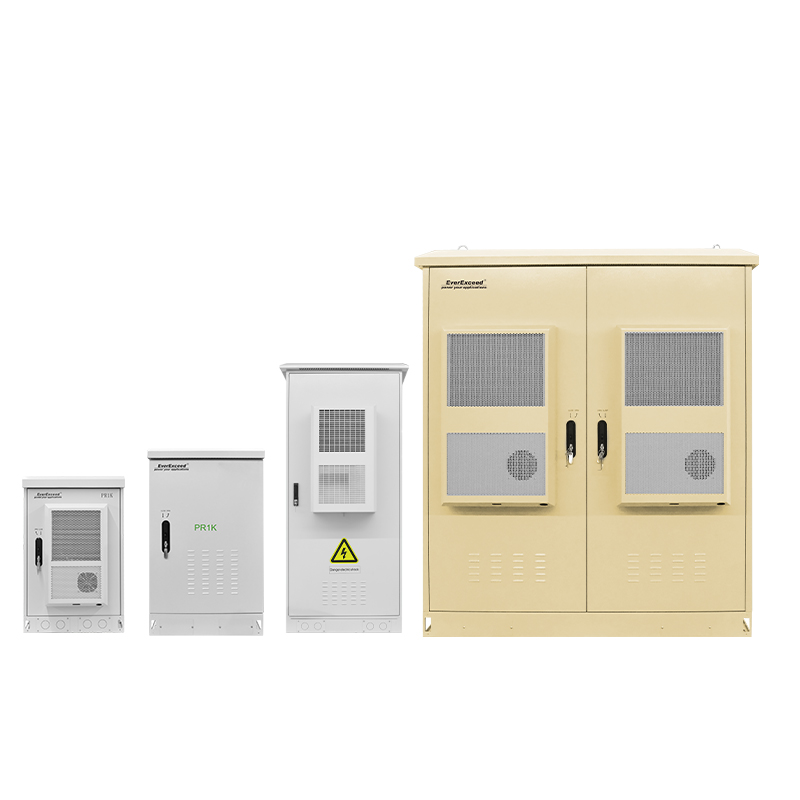
Outdoor telecom base stations are distributed across different regions, from extremely cold northern areas to hot coastal environments.
Unlike controlled indoor equipment rooms, outdoor sites must withstand:
A power supply that performs well in an indoor environment may fail quickly when installed outdoors.
The reliability of outdoor telecom power systems depends on multiple design factors:
In cold regions, winter temperatures can drop to -40°C.
At such low temperatures, standard power equipment may experience several problems:
Wide temperature telecom power supplies begin with component selection.
Key design approaches include:
Industrial-grade components can support a wide operating range, such as:
-55°C to +125°C
Wide temperature power systems can integrate internal heating modules.
When the temperature sensor detects extremely low temperatures, such as below -20°C, the heating element automatically starts.
The system raises critical component temperatures to an acceptable operating range before startup.
This allows cold startup time to remain within several minutes and helps restore base station operation quickly after power recovery.
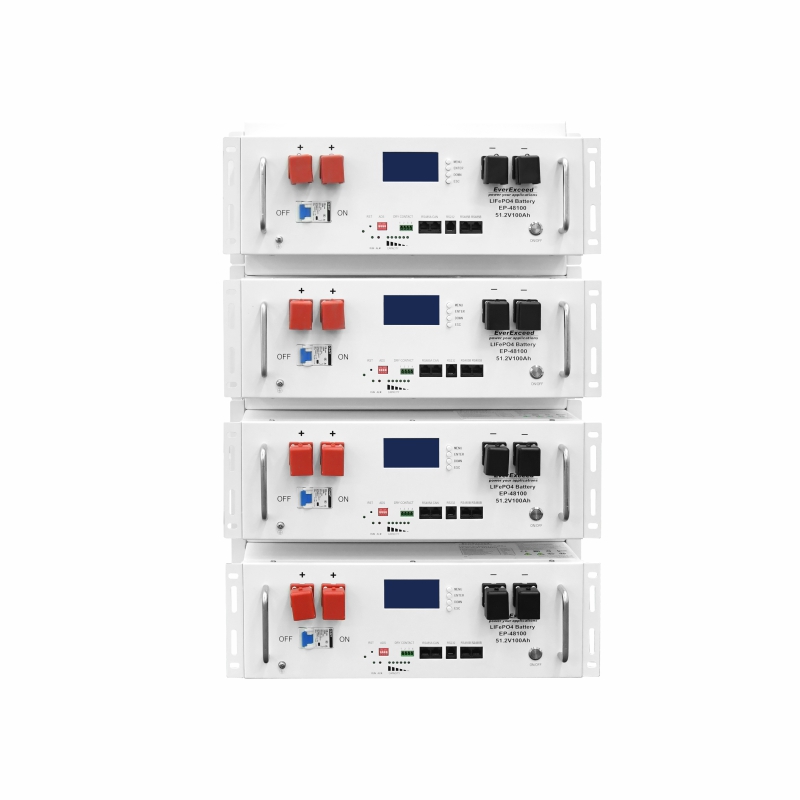
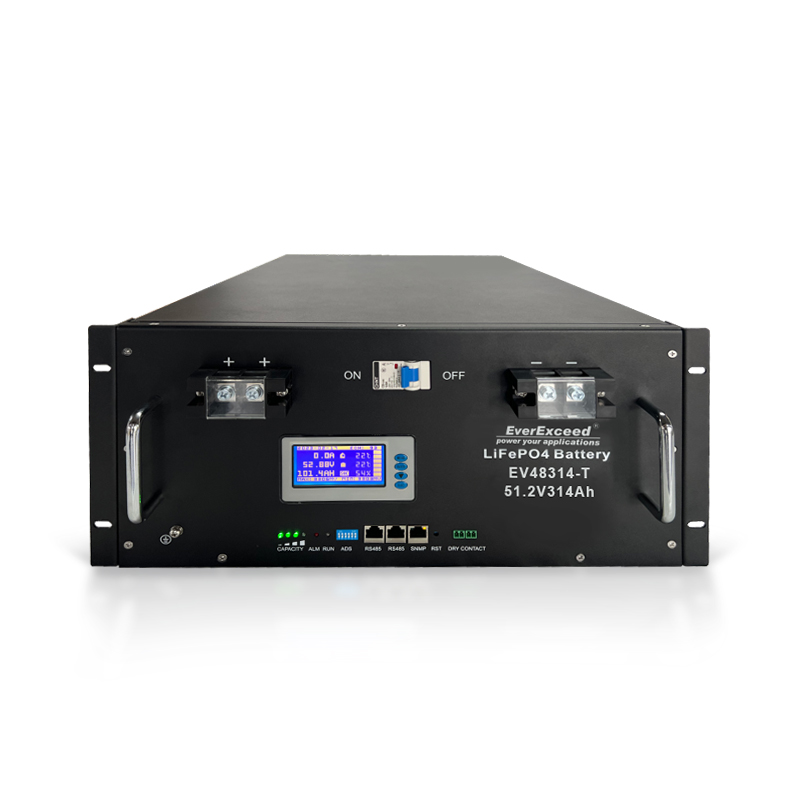
Low temperature also affects backup batteries.
For example:
Wide temperature power systems can:
This helps prevent irreversible battery damage.
High temperature is often a more hidden threat than cold environments.
Inside outdoor telecom cabinets without air conditioning, summer temperatures may reach 55°C or higher.
High temperatures accelerate:
Wide temperature power supplies use intelligent derating control.
When temperature exceeds preset limits, the system automatically reduces output power to lower heat generation.
Example:
|
Temperature |
Output Strategy |
|
45°C |
Full load operation |
|
55°C |
Reduced output to around 80% |
|
65°C |
Reduced output to around 60% with forced cooling |
This is not a performance limitation but a protection strategy.
By reducing partial capacity, the system can continue operating safely under extreme temperatures.
At the same time, temperature alarms can be sent to the network management system, allowing operators to identify:
without unnecessary site visits.
Outdoor cabinets often experience temperature differences of more than 20°C between day and night.
During the day:
At night:
When internal surfaces fall below the dew point, condensation forms.
This can cause:
Anti-condensation design includes:
These designs balance internal and external pressure while preventing water entry.
When humidity sensors detect relative humidity above 75%, the system can automatically activate:
to reduce internal humidity to a safer level.
Electronic protection includes:
Even with small amounts of condensation, moisture cannot easily reach sensitive electronic circuits.
Outdoor telecom power systems commonly use fan cooling.
However, fans themselves must also be designed for wide temperature operation.
At low temperatures:
Wide temperature systems use:
allowing operation at -40°C.
At high temperatures:
Fan bearings experience increased stress.
Intelligent fan control adjusts speed according to:
The system can:
This reduces wear and improves energy efficiency.
Independent airflow design separates:
The fan airflow passes through heat sinks while circuit boards remain inside a sealed area.
Even if cabinet sealing performance decreases, dust and moisture mainly affect the heat sink area instead of electronic components.
Outdoor telecom sites often face unstable power conditions.
Voltage fluctuations can reach approximately:
±30%
Lightning surge events may also frequently occur.
Wide temperature telecom power systems use wide-range input design.
For example:
85V–300V AC input range
allows stable operation under varying grid conditions.
The system can continue full-load output even when input voltage drops to approximately 70%.
Input protection includes multiple stages:
Stage 1:
High-capacity surge protection devices discharge lightning current.
Stage 2:
MOVs and gas discharge tubes limit residual voltage.
Stage 3:
Internal high-frequency filtering circuits provide additional protection.
Combined with the positive grounding design of -48V systems, the complete protection path improves lightning current discharge capability.
Outdoor telecom power reliability cannot be judged only by product specifications.
Strict environmental tests are required.
Common tests include:
|
Test |
Purpose |
|
High and low temperature cycling (-40°C to +85°C) |
Simulate long-term temperature changes |
|
Damp heat test (85°C / 85% RH) |
Evaluate humidity resistance |
|
Salt spray test (5% NaCl solution) |
Evaluate corrosion resistance |
|
Vibration test |
Simulate transportation and operation stress |
A product may only show:
Operating temperature: -40°C to +65°C
on the specification sheet.
However, the testing experience behind these parameters determines its real outdoor reliability.
|
Feature |
Wide Temperature Telecom Power Supply |
Standard Indoor Power Supply |
|
Low temperature startup |
Designed for extreme cold conditions |
Limited cold adaptability |
|
High temperature operation |
Intelligent thermal management |
Higher overheating risk |
|
Condensation protection |
Sealing and humidity control design |
Limited moisture protection |
|
Grid adaptability |
Wide input voltage range |
Requires stable power quality |
|
Outdoor application |
Suitable for telecom sites |
Mainly indoor environments |
A wide temperature telecom power supply is designed to operate reliably under extreme temperature conditions by using special components, thermal management, and protection technologies.
Yes. Wide temperature designs use low-temperature components and heating strategies to support reliable cold startup.
Thermal derating reduces output power when temperatures become excessive, helping prevent component overheating and extending equipment lifespan.
They use cabinet sealing, waterproof breathable valves, humidity monitoring, heating systems, and PCB protection coatings.
Outdoor sites are exposed to lightning surge risks. Multi-level surge protection helps reduce damage caused by transient overvoltage.
The reliability of outdoor base stations depends on more than a single specification.
A truly robust telecom power system requires integrated protection including:
Through comprehensive wide temperature design, telecom power supplies can continue stable operation in extreme environments and provide reliable support for communication networks everywhere—from freezing regions to hot and humid outdoor sites.
categories
recent posts




scan to wechat:everexceed