When the grid fails, a telecom base station must continue supplying power to keep network services available. But how long can it actually operate without utility power?
The answer depends on several factors, including the site's power consumption, battery capacity, battery condition, and the configuration of the telecom power system.
A reliable 48V telecom power system does more than provide backup batteries. It integrates rectifiers, battery banks, DC distribution, and monitoring functions to support continuous power delivery and simplify site management.
In this article, we'll explain how a 48V telecom power system responds to a power outage, what affects backup duration, and how proper system configuration and monitoring can support reliable base station operation.
A telecom base station can operate on battery backup for as long as the available battery energy can support its connected loads.
The actual backup duration depends on:
l Power consumption: Higher loads consume stored energy faster.
l Battery capacity: Greater usable battery capacity can provide longer backup time.
l Battery condition: Aging, temperature, and maintenance history can affect available capacity.
l System configuration: Battery charging, DC distribution, and load management influence overall performance.
For this reason, battery capacity alone cannot determine how long a base station will remain operational during a power outage. The entire telecom power system must be considered.
l A 48V telecom power system supports continuous DC power delivery to telecom equipment.
l Batteries supply backup power when the main power source fails.
l Backup duration depends on both the connected load and the usable battery capacity.
l When grid power returns, the system must support normal operation and battery recharging.
l Remote monitoring helps operators track system status and identify potential issues.
A telecom power system is designed to maintain a stable DC supply as the available power source changes. Its operation can be understood in four stages.
Under normal conditions, the AC input supplies the rectifier system. The rectifiers convert AC power into DC power for connected telecom equipment while supporting battery charging as required.
The system distributes DC power to the connected loads through its DC distribution unit.
When the main AC supply is interrupted, the batteries provide backup power to the connected DC loads.
This transition allows the telecom equipment to continue operating without relying on the failed grid supply, provided the battery system is available and properly configured.
During the outage, the batteries supply energy to the telecom loads.
As the outage continues, the remaining backup time decreases. The actual duration depends on power demand, usable battery capacity, battery condition, and other site-specific factors.
When AC power is restored, the rectifier system resumes supplying the connected loads and supports battery recharging.
The time needed to recharge depends on factors such as battery capacity, depth of discharge, charging capability, and the power available for charging.
A reliable telecom power system consists of several components that work together to support stable power delivery.
The rectifier converts AC input power into DC power suitable for telecom equipment. It also supports battery charging according to the system's configuration.
Rectifier capacity should be selected according to the connected load, battery charging requirements, and expected operating conditions.
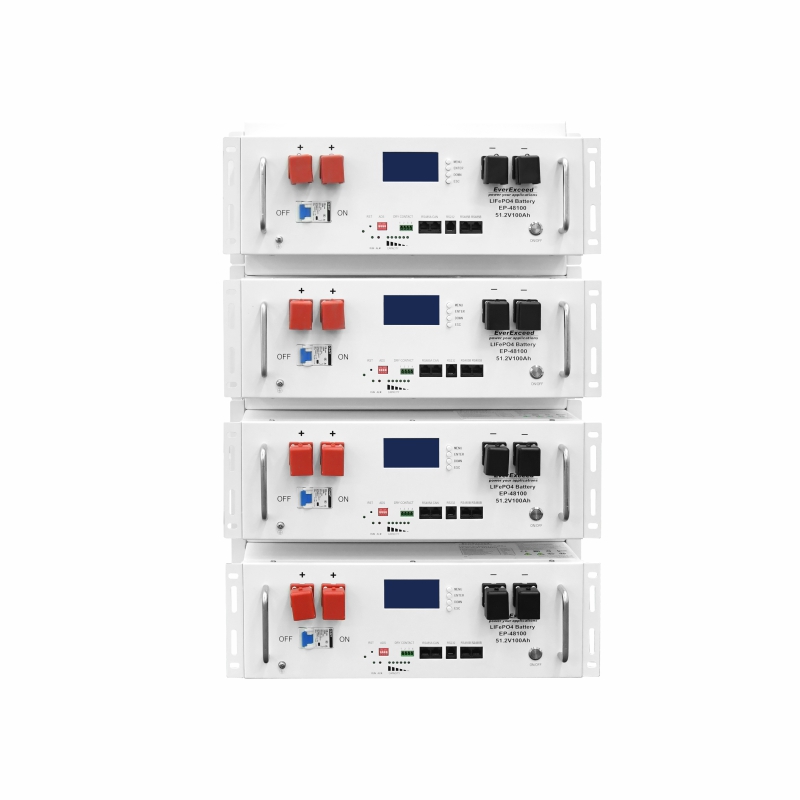
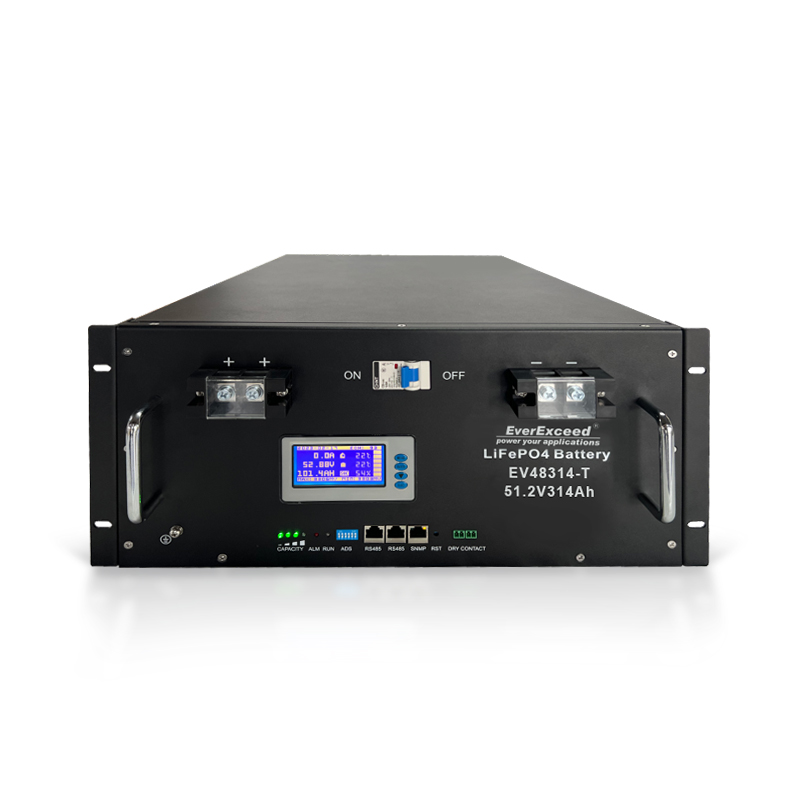
The battery bank stores energy for use when the main power source is unavailable.
Battery capacity and configuration should match the required backup duration, site power consumption, and operating conditions.
Battery condition is equally important. A battery's nominal capacity does not necessarily represent the amount of energy available after years of operation.
The DC distribution unit delivers power from the system to connected telecom equipment.
Appropriate distribution and protection arrangements help organize power delivery and support safe system operation. The configuration should match the site's load requirements and equipment specifications.
Monitoring functions help operators check important operating information, such as power system status, battery condition, and alarms, depending on the available configuration.
For remote telecom sites, monitoring can make it easier to identify abnormal conditions and plan maintenance activities without relying exclusively on frequent on-site inspections.
Estimating backup time requires more than checking the battery's ampere-hour rating. Several factors should be evaluated together.
The connected load is one of the main factors affecting backup duration.
A site with higher power demand will generally consume stored battery energy faster than a site with lower demand, assuming comparable usable battery capacity and operating conditions.
When estimating backup time, operators should consider the actual connected load rather than relying only on equipment nameplate ratings.
Battery capacity influences how much energy is available during a power outage.
However, usable capacity may differ from nominal capacity because of battery condition, temperature, discharge conditions, and battery technology.
System sizing should therefore consider the usable capacity available under the expected operating conditions.
Battery performance can change over time. Temperature, charging practices, discharge history, and maintenance conditions can all affect available capacity.
Regular battery inspections and performance monitoring help operators assess whether the backup system continues to meet site requirements.
The required backup duration depends on the site's power reliability, outage patterns, operational requirements, and available alternative energy sources.
A remote site with limited access may have different backup requirements from a base station in an area with a more reliable grid.
The system should be sized according to the actual application rather than using one standard backup duration for every site.
Restoring the main power supply does not mean the backup system is immediately ready for another extended outage.
After grid power returns, the rectifier system must support the connected loads while recharging the batteries.
The recharge period depends on several factors:
l The amount of energy discharged during the outage.
l Battery capacity and condition.
l The charging capability of the rectifier system.
l The power available for charging while supporting connected loads.
l Battery charging requirements and operating conditions.
If another outage occurs before the batteries have sufficiently recharged, the available backup duration may be reduced.
For sites with frequent power interruptions, charging capability and battery recovery should therefore be considered alongside nominal backup capacity.
Reliable telecom power depends on appropriate system design, battery management, and ongoing monitoring.
The power system should match the site's load demand, backup requirements, available power sources, and environmental conditions.
Rectifier capacity, battery configuration, DC distribution, and monitoring functions should be evaluated as parts of one integrated system.
Monitoring can help operators identify alarms, review operating conditions, and recognize potential battery or power system issues.
The available monitoring parameters depend on the selected equipment and system configuration.
Remote telecom sites can be difficult to access, making timely fault detection and maintenance planning especially important.
Monitoring information and regular battery assessments can help operators prioritize site visits and identify systems that may require attention.
At suitable sites, solar power or other alternative energy sources can be integrated with telecom power systems to help reduce dependence on the grid.
The appropriate configuration depends on local solar resources, site load, battery storage requirements, environmental conditions, and overall project objectives.
Remote telecom sites may face challenges such as unstable grid supply, limited accessibility, and difficulties with routine maintenance.
In one telecom application, EverExceed supplied a 48VDC 250A solar-powered DC power system to support base station operations and replace aging power equipment.
The solution was designed to support DC power delivery for telecom loads while incorporating solar energy into the site's power supply configuration.
This type of application illustrates how an appropriately configured telecom power system can help address power supply challenges at remote sites. System selection should take into account site demand, battery backup requirements, charging capability, available energy sources, and monitoring needs.
The exact system configuration should always be determined according to the project's technical requirements and operating conditions.
Before selecting a system, telecom operators and project integrators should evaluate the following considerations:
l Load demand: Determine the actual DC power requirements of the connected telecom equipment.
l Backup duration: Estimate the required battery capacity based on the expected load and outage duration.
l Charging capability: Ensure the rectifier system can support the connected load and the required battery charging process.
l Power source: Assess whether the site requires grid power, solar power, or a hybrid configuration.
l Environmental conditions: Consider the site's temperature, installation environment, and accessibility.
l Monitoring requirements: Identify the operating data, alarms, and remote management functions needed.
l Future expansion: Consider whether the system may need to support additional loads or capacity in the future.
A well-matched system can help operators balance power reliability, maintenance requirements, and long-term operating needs.
A 48V telecom power system provides DC power for telecom equipment. It typically includes rectifiers, batteries, DC distribution, and monitoring functions to support normal operation and backup power during grid interruptions.
Backup duration depends on the connected load, usable battery capacity, battery condition, and system configuration. The required backup time should be calculated for the specific site rather than estimated from battery capacity alone.
In a properly configured system, the rectifier supports battery recharging when the main power supply returns. The actual recharge time depends on battery condition, the amount of energy discharged, charging capability, and available power.
Monitoring helps operators review system status and identify alarms or abnormal operating conditions. At remote sites, it can also support maintenance planning and reduce reliance on routine visual inspections alone.
Yes. Solar power can be integrated into a suitable telecom power configuration, depending on site conditions, load demand, solar resources, battery requirements, and system design.
A reliable 48V telecom power system requires more than a battery bank. Rectifiers, batteries, DC distribution, and monitoring must work together to support stable power delivery during normal operation, grid interruptions, and recovery.
By evaluating actual load demand, usable battery capacity, charging requirements, and site conditions, telecom operators can select a system that better meets their backup and operational needs.
EverExceed provides telecom power systems, battery solutions, UPS systems, and energy storage products for a range of industrial and infrastructure applications. With more than 20 years of battery manufacturing experience, EverExceed supports customers with power solutions tailored to different application requirements.
Need a telecom power solution for your project? Contact EverExceed to discuss your site's power demand, backup requirements, and system configuration.
categories
recent posts




scan to wechat:everexceed