In critical power applications such as substations, power plants, metro systems, ring main units, and emergency lighting, DC backup power systems depend on batteries. Different environments have different requirements: power plants prioritize cost and high-temperature tolerance, railways require long lifespan and overcharge resilience, and modern smart substations or data centers favor high-energy-density lithium batteries.
Industrial frequency (IF) battery chargers are a versatile solution. With adjustable voltage, low ripple, and strong surge resistance, IF chargers support Lead-acid, Ni-Cd, and LiFePO₄ batteries, adapting to diverse industrial scenarios.
Lead-Acid Batteries: Cost-Effective for Conventional Substations and Emergency Lighting
Advantages:
Low ripple (<1%) prevents plate sulfation in VRLA batteries. Stable float voltage ensures optimal operation despite grid fluctuations.
Limitations: Low energy density, bulky, temperature-sensitive, and unsuitable for frequent deep discharges.
Applications:
· Indoor substations for protection devices and breakers (1–2 hours backup)
· Emergency lighting in factories, malls, or underground parking
· Small power plants with unstable local supply
Recommendation:
IF charger + Lead-acid is cost-effective for controlled environments and limited budgets.
Advantages:
Sintered Ni-Cd batteries last 20+ years, tolerate overcharge/discharge, and operate from -40°C to +60°C. IF chargers with CC-CV-trickle charging meet Ni-Cd requirements while preventing overheating.
Limitations: Higher cost and environmental concerns due to cadmium.
Applications:
· Metro tunnels with high humidity and limited maintenance windows
· Nuclear power safety-critical DC systems
· Cold-region substations (China Northeast, Russia, Canada)
Recommendation:
IF charger + Ni-Cd is ideal for harsh or hard-to-maintain environments, offering long-term reliability.
Advantages:
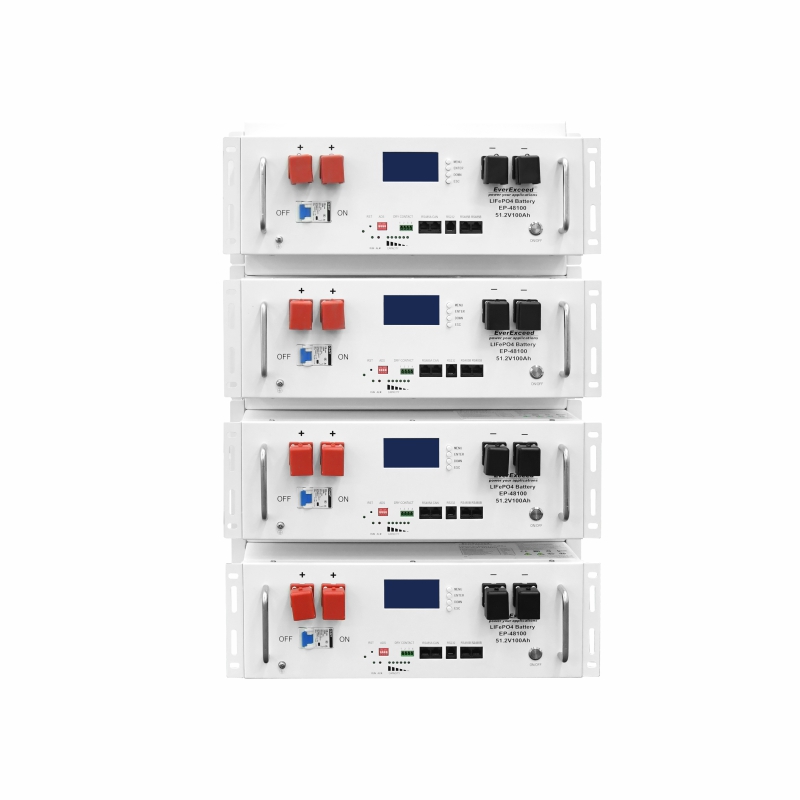
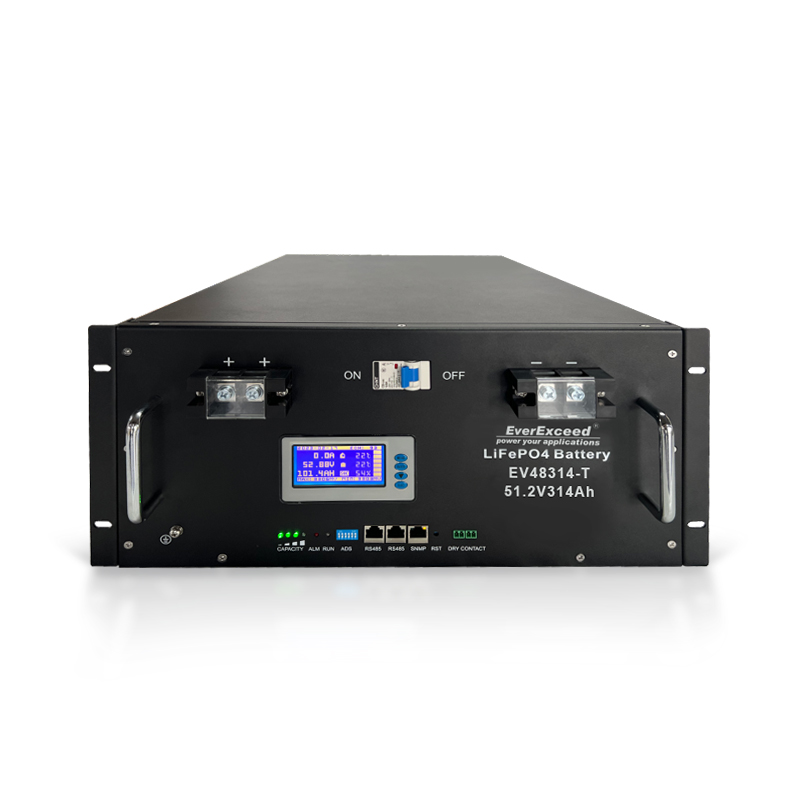
LiFePO₄ batteries have 3–4× energy density, 2000–5000 cycles, and support fast charging. Modern IF chargers integrate digital communication (RS485, CAN bus) to interact with BMS, protecting batteries from overvoltage or overtemperature. Low ripple output protects sensitive electronics.
Limitations:
Precise voltage control required, low-temperature charging may need heating, BMS adds complexity.
Applications:
· Substation retrofits where space is limited
· 5G base stations & edge data centers with short runtime but high cycle demands
· Mobile emergency power vehicles needing lightweight, high-density power
Recommendation:
IF charger + Lithium battery is forward-looking, ideal for urban substations and modern infrastructure upgrades.
Unlike high-frequency chargers tied to a specific battery, IF chargers allow easy switching between Lead-acid, Ni-Cd, and Lithium. Adjustable voltage and continuous current control mean engineers can adapt to evolving battery technologies without replacing the entire system, future-proofing your investment.
· Indoor substations: Lead-acid + low ripple IF charger
· Outdoor substations (hot/cold): Ni-Cd or high-temp Lead-acid + wide-temp IF charger
· Metro systems & tunnels: Ni-Cd + vibration- and moisture-resistant IF charger
· Nuclear DC systems: Ni-Cd + naturally cooled IF charger
· Retrofits / small spaces: LiFePO₄ + BMS-compatible IF charger
· Emergency lighting & fire systems: Lead-acid + load-shedding IF charger
Conclusion:
Industrial frequency battery chargers are a versatile, reliable solution for all major battery types, ensuring dependable backup power for diverse industrial applications today and in the future.
categories
recent posts




scan to wechat:everexceed