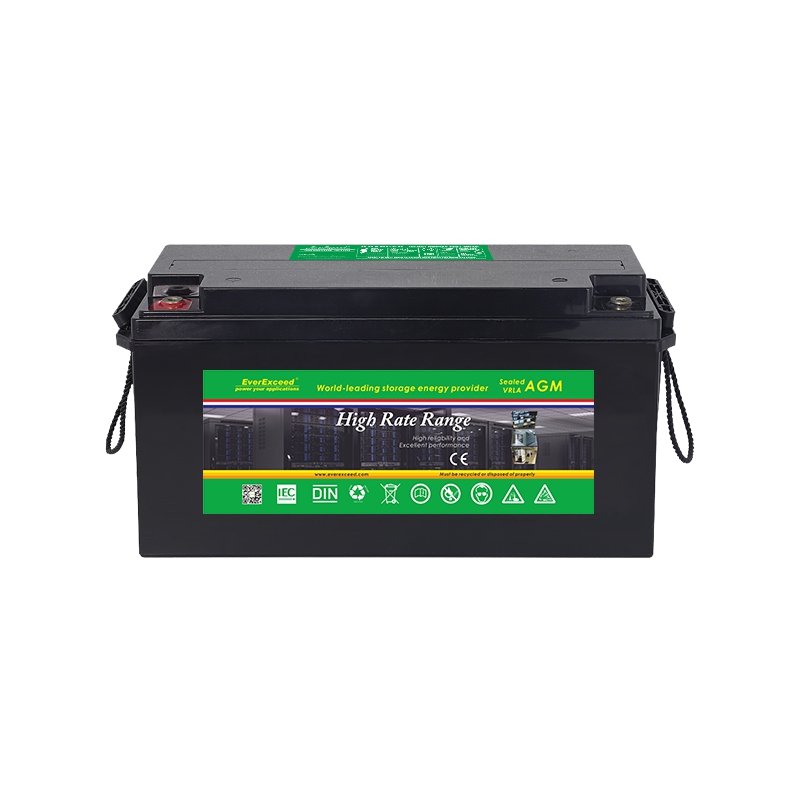
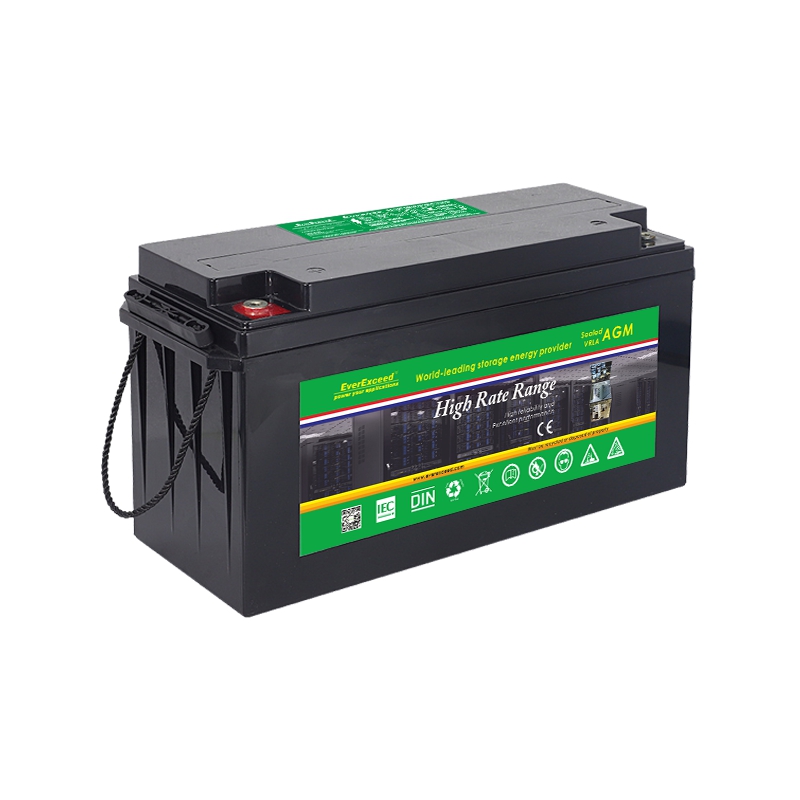
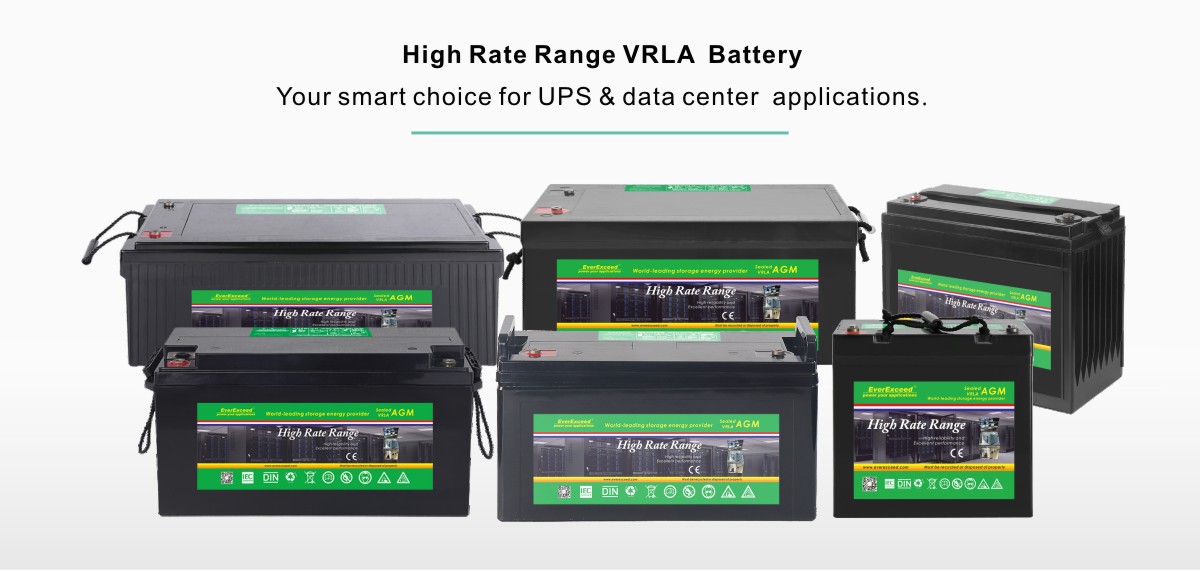
1. What’s An AGM Battery ?
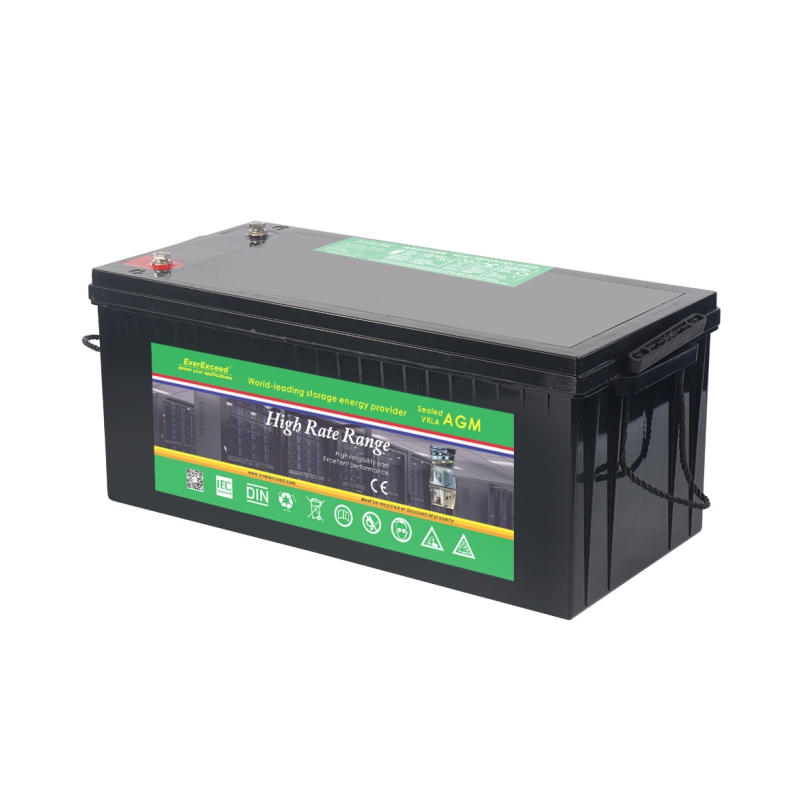
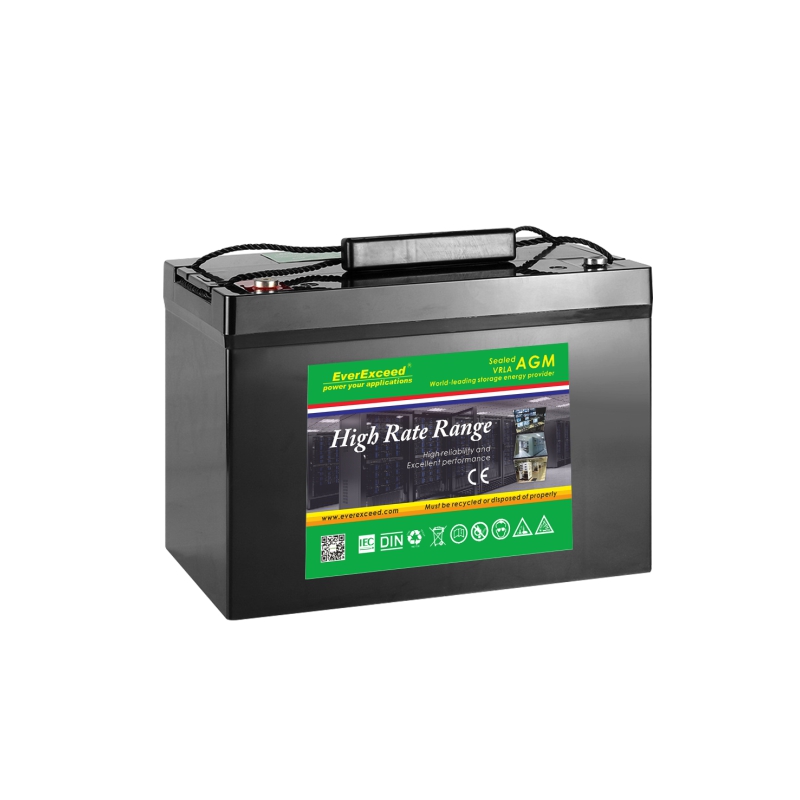
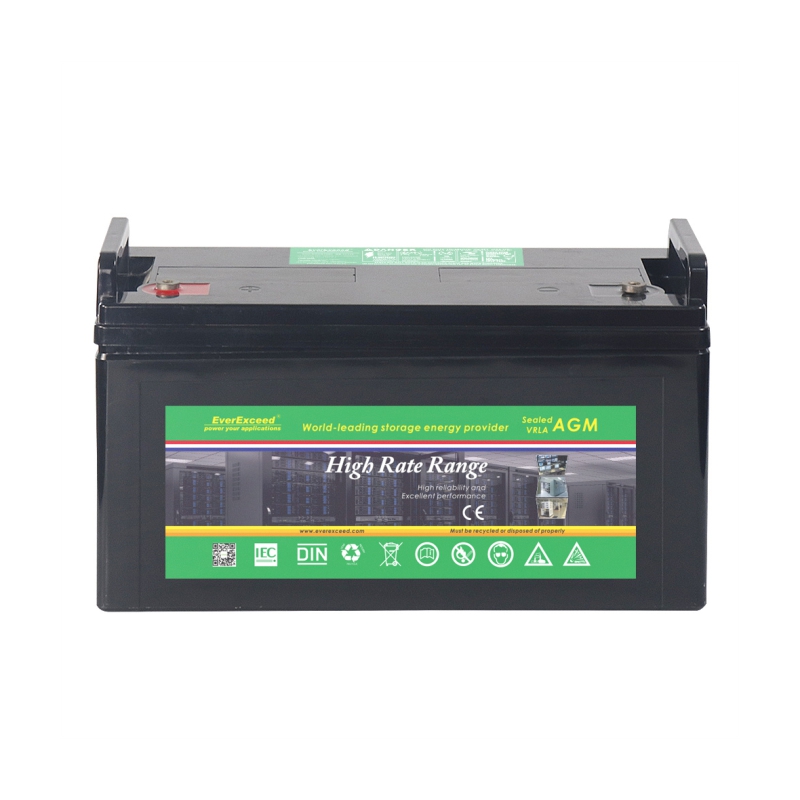
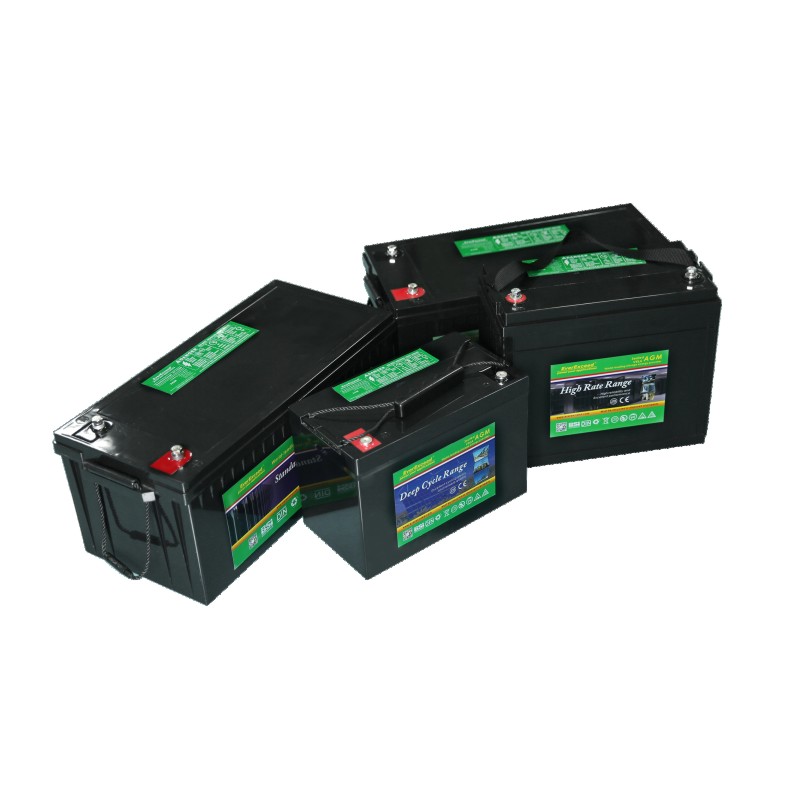
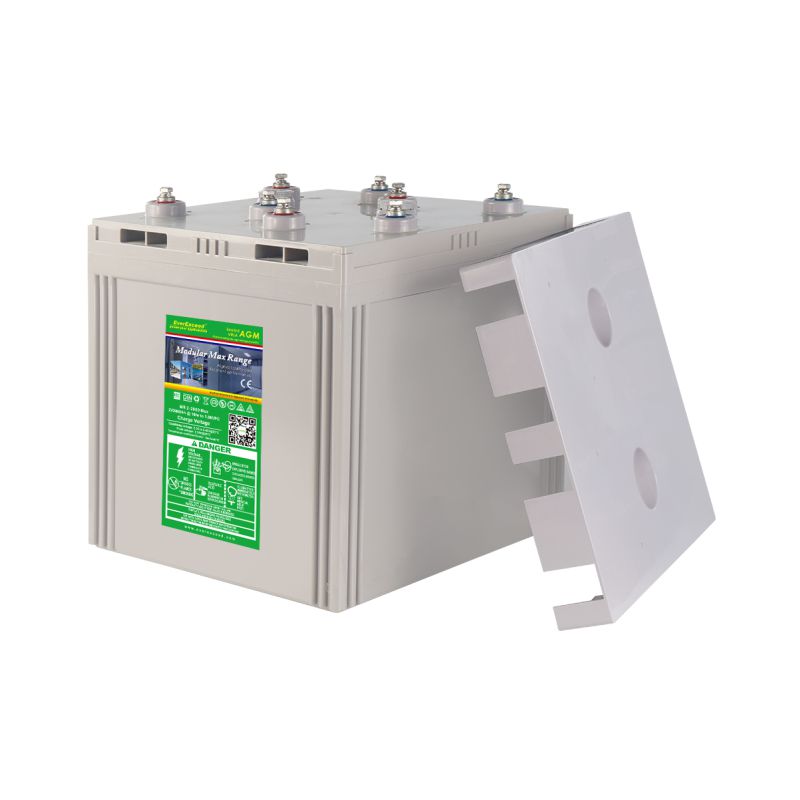
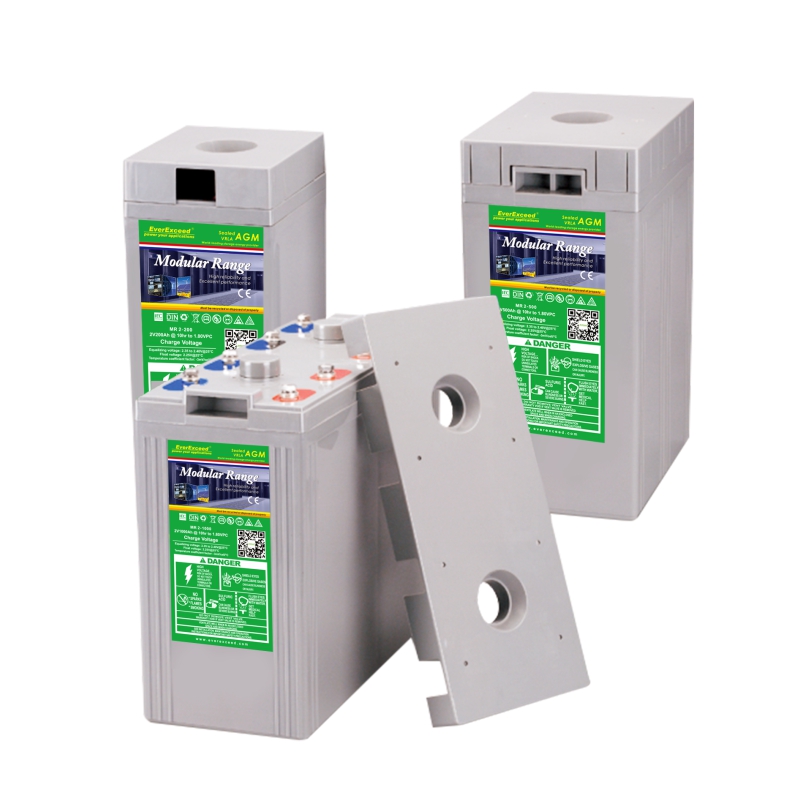
A.The AGM battery uses fiberglass mats sandwiched between lead plates. It’s where the battery gets its name – Absorbent Glass Mat (AGM). The glass mat wicks the electrolyte solution, keeping it suspended in place, so it’s not free-flowing. Because the AGM is a sealed battery, there’s minimal to no off-gassing. Gases produced during the chemical reaction recombined with the electrolyte. And if there is excess gas (such as when the battery is overcharged), a vent releases it to maintain internal pressure.
B. How AGM vs Lead Acid Batteries Work
The AGM battery and the standard lead acid battery are technically the same when it comes to their base chemistry. They both use lead plates and an electrolyte mix of sulfuric acid and water and have a chemical reaction that produces hydrogen and oxygen as a byproduct.
C. It’s used in all types of applications — from marine to off-grid power systems and in advanced vehicles with significant power demands.
2. Maintenance requirements ?
The sealed lead acid battery (SLA battery) is a subset of lead acid batteries. It’s also known as a Valve Regulated Lead Acid battery (VRLA battery).
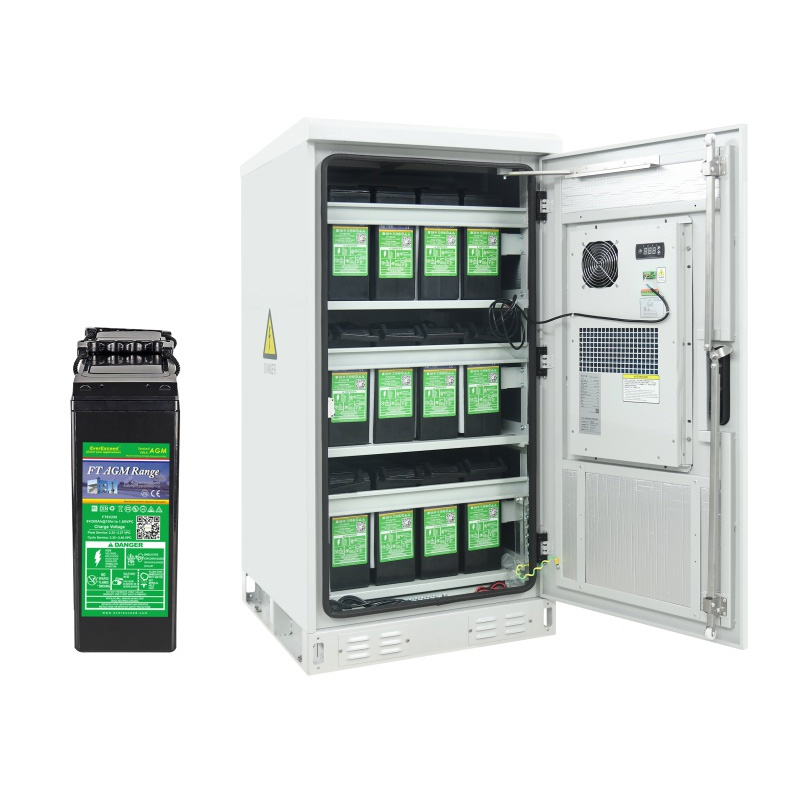
AGM batteries are maintenance free and can be placed in more enclosed areas because there is no exhaust except for occasional exhaust. It is suitable for various application scenarios and places that are difficult to maintain.3. Durability, Vibration And Shock Resistance
The AGM battery tends to be built harder than the flooded lead acid battery, as it originally served military and aviation use.
3. Mounting Flexibility And Spillage ?
The glass mat technology in the AGM battery makes it spill-proof and position insensitive. You can mount it in many configurations (just don’t turn it upside down).
4. Internal Resistance and Power Output ?
The AGM battery’s internal resistance is among the lowest of the various lead acid batteries. While a new flooded lead acid battery can have an internal resistance of 10-15%, a new AGM battery can be as low as 2%.
5. Charging Time ?
Low internal resistance also grants the AGM battery faster charging times.
6. Drainage depth ?
AGM batteries have an 80% discharge depth (DoD) and can limit their discharge depth to 100% during backup use
7. Temperature Tolerance ?
The AGM battery generally performs better in all temperatures and tends towards good Cold Cranking Amp (CCA) ratings.
The electrolyte that’s held in the glass mat doesn’t expand like a liquid while frozen. This makes AGM batteries resistant to cold weather damage.
8. Lifespan And Self-Discharge ?
AGM batteries generally last longer than standard lead acid batteries. Because of their low self-discharge rate
9.Can I Use AGM Or Lead Acid Batteries As A Battery Bank?
Yes.
Both the AGM lead acid deep cycle batteries can act as a battery bank and charge up with a solar panel.
An AGM battery bank would be easier to configure because they can lie on their sides.
They’re also maintenance-free.