In today’s connected world, telecom base stations form the invisible foundation that enables mobile communication anytime, anywhere. Whether making a phone call, watching a video, or using mobile data, every interaction depends on base stations to transmit and receive wireless signals efficiently and securely.
As a trusted global provider of telecom power solutions, EverExceed is deeply engaged in supporting the reliable operation of these vital infrastructures. This article explores what a base station is, how it works, and why its power system is critical to seamless mobile connectivity.
1. What Is a Base Station?
A base station (BS)—short for Base Transceiver Station—is a core component of a mobile communication network. It serves as the interface between mobile devices and the operator’s communication network.
In simple terms, the base station uses radio signals to cover a certain geographic area, allowing mobile devices within this area to connect to the communication network and the internet through the mobile switching center.
Base stations make it possible for mobile users to make calls, browse the internet, or send data anywhere and anytime.
2. How Does a Base Station Work?
A base station is typically composed of three main parts:
Antenna and Feeder System
Radio Frequency (RF) Unit / Remote Radio Unit (RRU)
Baseband Unit (BBU)
Together, these components handle signal transmission, conversion, and processing.
2.1 Antenna and Feeder System
The antenna sends and receives signals, while the feeder cable connects it to the RF unit.
Signal transmission: The antenna directs the signal generated by the RF unit toward specific mobile devices, similar to how a flashlight beam follows its target.
Signal reception: It collects signals sent by mobile terminals and transmits them to the RF unit for processing.
2.2 Radio Frequency Unit (RRU)
The RRU is responsible for generating and extracting wireless signals. Inside, it contains modules capable of handling multiple communication standards, including 2G, 3G, 4G, and 5G.
It converts digital data into electromagnetic waves for transmission.
It filters and extracts useful information from received signals before passing them to the BBU.
2.3 Baseband Unit (BBU)
The BBU is the “brain” of the base station, managing data processing and communication control.
When transmitting, the BBU processes and encodes the original information before sending it to the RRU.
When receiving, it decodes and processes incoming data for delivery to the network.
2.4 Indoor Distributed Systems
In areas like basements, elevators, and parking garages, wireless signals often weaken or disappear. To solve this, operators deploy indoor distributed antenna systems (DAS), which extend signal coverage indoors by relaying signals from the base station to indoor antennas.
3. The Core Functions of a Base Station
The most essential function of a base station is to provide wireless coverage—bridging the gap between wired networks and mobile terminals.
When one mobile phone calls another, the signal travels through the base station’s antenna to the RF unit, then to the BBU for processing. From there, it is routed through the operator’s network and delivered to the target mobile device via another base station.
In addition to communication, base stations also play a critical role in positioning services (LBS, Location-Based Services). By measuring the signal timing and strength from multiple base stations—or integrating GPS data—operators can determine a device’s geographic location in real time.
4. Typical Applications of Base Stations
With the evolution of communication technologies, base stations now go far beyond voice communication. A growing number of industries use high-precision positioning base stations based on Ultra-Wideband (UWB) technology.
When combined with UWB tags and positioning software, such systems can achieve 10–30 cm accuracy, enabling advanced tracking in:
Industrial factories and warehouses
Tunnels and pipe galleries
Oil & gas facilities
Hospitals and elderly care centers
Smart buildings, airports, and railway stations
For example, when personnel wearing UWB tags enter a monitored area, the base stations communicate with the tags and send location data to the central management platform—allowing real-time personnel tracking and safety monitoring.
5. Reliable Power: The Heart of Every Base Station
Behind every base station’s stable operation lies a robust power system. In telecom networks, uninterrupted power is essential for 24/7 communication reliability.
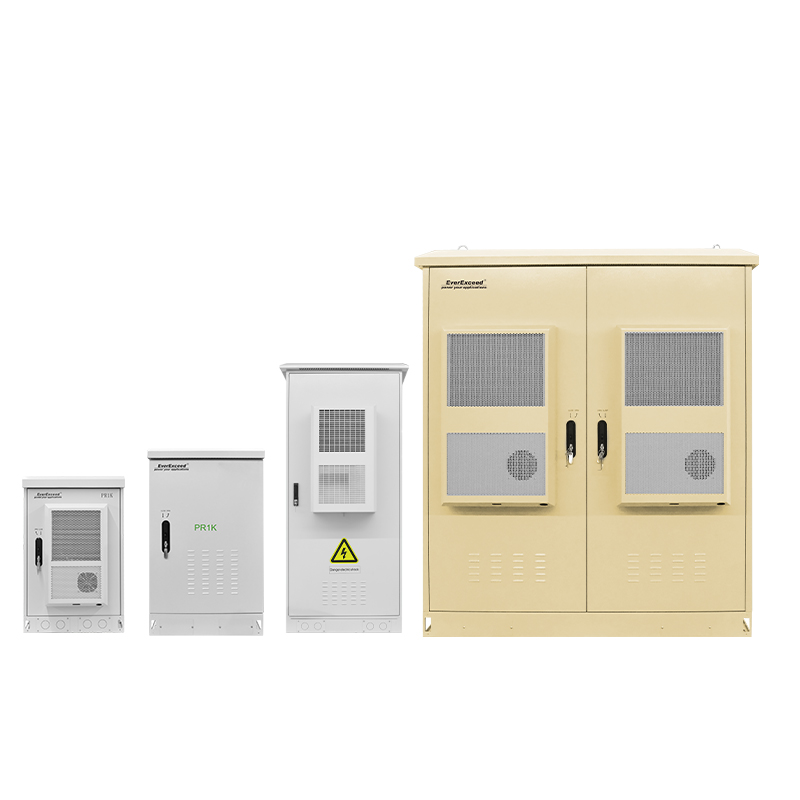
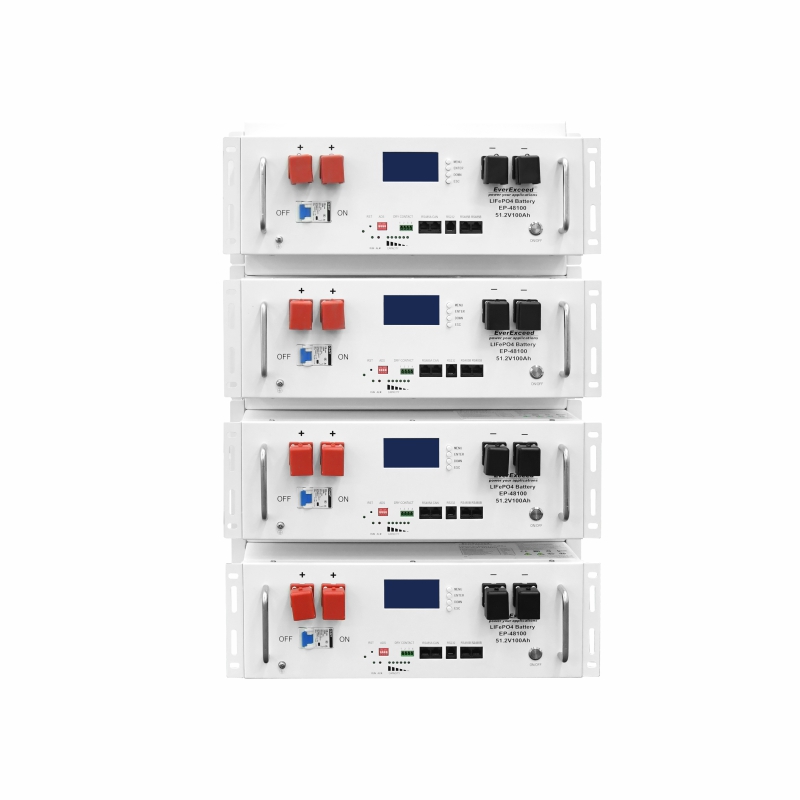
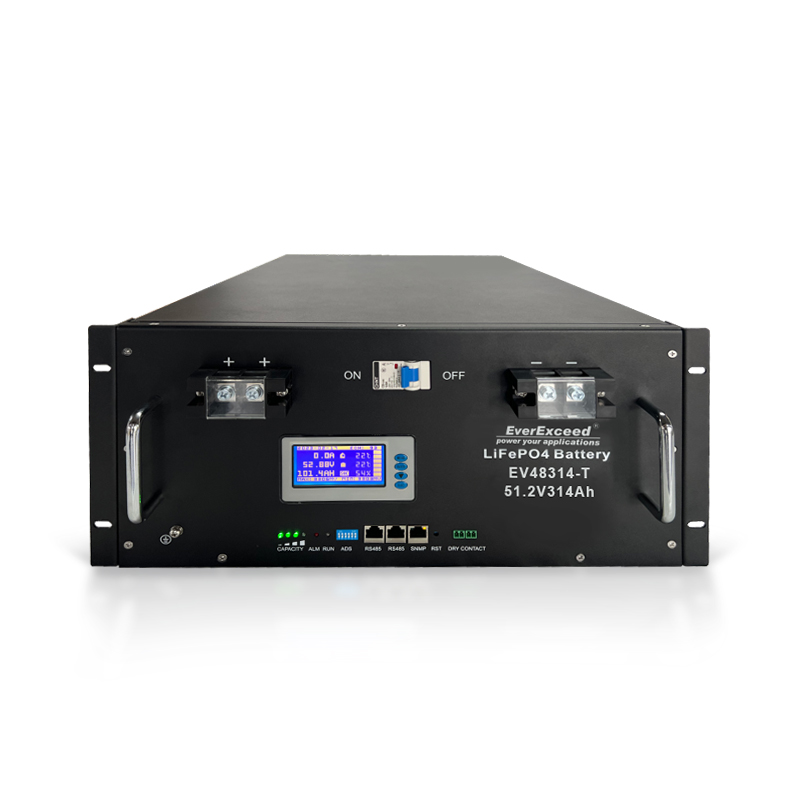
EverExceed’s Telecom Power Systems provide:
High-efficiency DC power supply for RRUs, BBUs, and auxiliary devices
Smart lithium battery backup ensuring continuous operation during outages
Remote monitoring and energy management through advanced controllers
Scalable modular design, ideal for both macro and small-cell base stations
These systems ensure stable voltage, high reliability, and long battery life, even under harsh environmental conditions such as extreme temperatures, humidity, or dust.
6. The Future of Base Station Development
With the rise of 5G and 6G networks, base stations are evolving rapidly toward:
Higher integration of RF and baseband units
More compact and energy-efficient designs
Hybrid power systems combining solar + lithium energy storage
AI-based remote management and predictive maintenance
As communication networks expand to support applications like smart cities, IoT, autonomous driving, and telemedicine, the performance and reliability of base stations—and their power infrastructure—will become even more critical.
Conclusion
In essence, the telecom base station is the wireless bridge that connects every mobile user to the digital world. It not only enables voice and data communication but also supports positioning, IoT, and industrial automation applications.
Through advanced power, backup, and energy storage solutions, EverExceed continues to empower global telecom operators to build safer, smarter, and more efficient networks—ensuring reliable connectivity in every corner of the world.
tags :
categories
recent posts




scan to wechat:everexceed