When the main grid fails, how can telecom base stations keep running?
For telecom operators, a power outage never means 'service suspended.' Whether it's a grid failure caused by natural disasters or a routine maintenance shutdown, a reliable backup power system must ensure continuous operation and network stability. To make sure the system performs reliably in critical moments, scientific configuration and standardized emergency response are essential.
1. Core Configuration: Backup Power that Truly Holds the Line
The core of a backup power system lies in power supply duration and load matching.
According to industry standards, remote mountain sites should be equipped with energy storage batteries that can support at least 8 hours of backup power. For urban core sites, where loads are higher due to 5G equipment and multi-band antennas, a “LiFePO₄ battery pack + diesel generator” dual backup solution is recommended:
The LiFePO₄ battery system provides instant response with a switching time ≤10 ms, sustaining operation for 4–6 hours.
The diesel generator serves as a long-term safeguard, with sufficient fuel reserves to maintain operation for more than 24 hours during extreme situations.
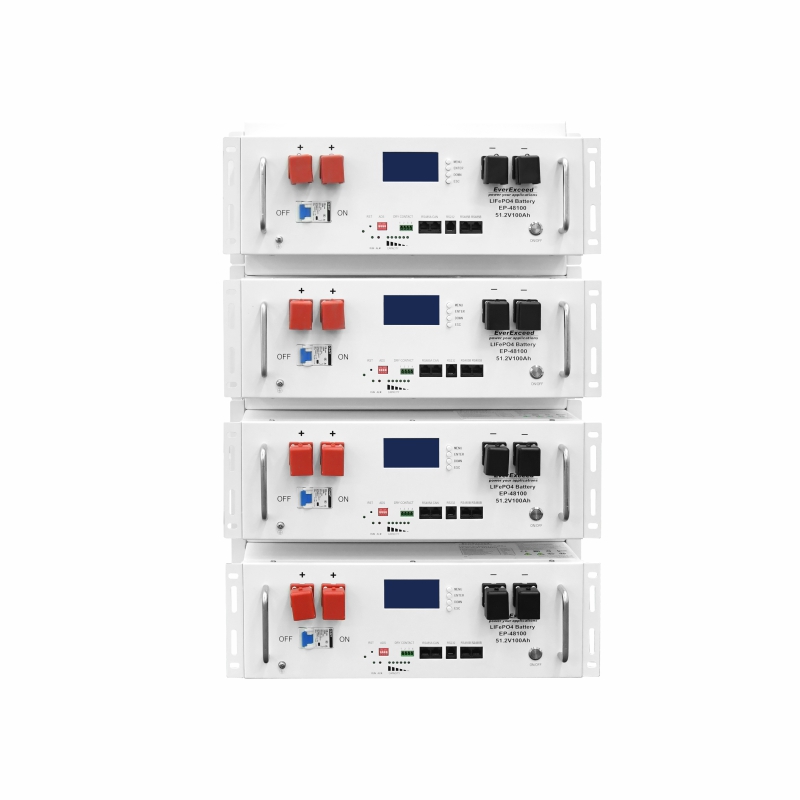
For example, a 5G base station with a 3 kW load requires about 30% redundancy, using 16 × 48 V 100 Ah LiFePO₄ modules to maintain stable 6-hour operation.
In coastal or typhoon-prone areas, additional protective measures—such as fixing generators on concrete bases and installing wind shields for battery cabins—are crucial to prevent displacement or flooding.
2. Emergency Response: The Four-Step Rule
When grid power fails, the emergency procedure should follow a 'Quick Switch – Status Monitoring – Fault Inspection – Long-term Protection' sequence:
Quick Switch: The Power Supply Management System (PSMS) automatically detects the outage and activates backup supply. Operators should confirm switching success via remote monitoring, checking battery voltage (48 V ± 2 V) and load current stability.
Status Monitoring: For short outages (≤ 4 hours), the LiFePO₄ battery operates independently. The remaining capacity (SOC ≥ 30%) must be monitored remotely; if below threshold, initiate emergency charging.
Fault Inspection: For prolonged outages (> 4 hours), start the diesel generator after checking oil and fuel. Ensure smooth startup (1500 r/min) and stable voltage output. Monitor generator temperature via the PSMS to prevent overheating or shutdown.
Long-term Protection: Once grid power is restored, the system automatically switches back and initiates battery equalization charging, ensuring the cell voltage difference stays within 50 mV to extend battery life.
3. Smart Maintenance and Practical Tips
Two optimization practices can further enhance reliability:
Low-Temperature Adaptation: In cold regions (≤ –10 °C), use insulated battery enclosures or low-temperature LiFePO₄ batteries. Some stations also include battery cabin heaters to guarantee discharge performance in extreme cold.
Monthly Simulation Test: Conduct a simulated grid outage every month to verify switching performance and battery health, while cleaning generator filters and checking the fuel line.
A mountain station once failed to start its generator due to lack of maintenance, leading to network downtime and costly manual recovery—proving that routine checks are vital.
Additionally, each site should be equipped with an emergency toolkit, including a portable charger, spare fuel can, multimeter, and insulated gloves, all kept in working condition and regularly inspected.
4. EverExceed's Total Power Assurance Solution
The ability of a backup power system to 'hold the line' depends on scientific design, reliable hardware, and intelligent management.
With over 20 years of battery manufacturing experience, EverExceed provides complete telecom power solutions, including:
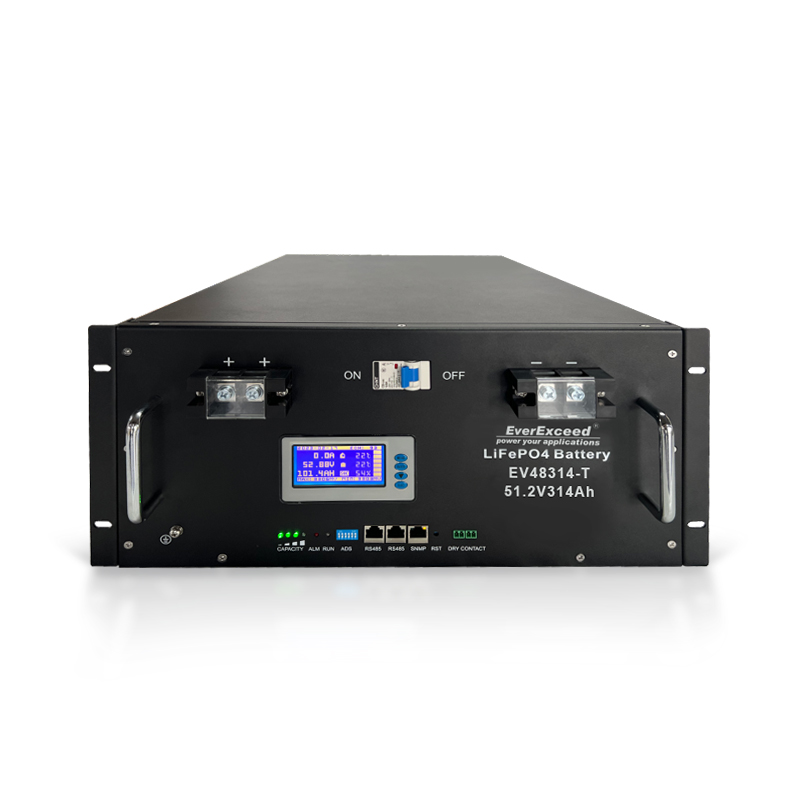
High-efficiency LiFePO₄ battery packs with long cycle life and built-in BMS protection.
Smart Telecom Power Systems integrating rectifiers, DC distribution, and monitoring in one cabinet.
Intelligent Power Supply Management System (PSMS) for real-time remote control and fault diagnostics.
Our solutions ensure uninterrupted communication and reliable network operation—even when the grid goes dark.
Conclusion
For telecom base stations, uninterrupted power is not optional—it's the lifeline of connectivity.
Through the right configuration, strict maintenance, and intelligent control, EverExceed ensures every watt of power delivers continuous reliability, protecting communication networks when they are needed most.
tags :
categories
recent posts




scan to wechat:everexceed