

Blog
  • Calculation of the heat generation of lithium batteries

    Calculation of the heat generation of lithium batteries

    May , 24 2025
    The calculation of heat generation of lithium batteries is an important part of battery thermal management, involving multiple heat sources. The following are the detailed calculation methods and steps: 1. Main source of heat The heat generation of lithium batteries mainly comes from the following parts: Joule heat (Qj) : The heat generated when current passes through the internal resistance of a ...
    more
  • The reason why LiFePO4 batteries cannot be charged but can be discharged below 0℃

    The reason why LiFePO4 batteries cannot be charged but can be discharged below 0℃

    Jun , 07 2025
    Why LiFePO4 Batteries Cannot Be Charged Below 0°C but Can Still Discharge The reason why LiFePO4 (Lithium Iron Phosphate) batteries, such as the EverExceed battery range, cannot be charged below 0°C yet can still discharge lies mainly in their electrochemical characteristics and safety considerations. 1. Why Charging Is Restricted at Low Temperatures Lithium Plating Risk: At sub-zero temperatures,...
    more
  • The Impact of High Temperatures on Lead-Acid Batteries and Recommended Solutions

    The Impact of High Temperatures on Lead-Acid Batteries and Recommended Solutions

    Jul , 19 2025
    Lead-acid batteries are widely used in energy storage, telecom base stations, and UPS systems. However, their performance is significantly affected by ambient temperature—especially under high-temperature conditions, which can lead to rapid degradation and potential safety risks. Below are six key impacts of high temperature on lead-acid batteries and how to address them: 1. Short-Term Capacity Ga...
    more
  • The Hazards of Overcharging Lead-Acid Batteries

    The Hazards of Overcharging Lead-Acid Batteries

    Aug , 08 2025
    1. Significant Capacity Decline ① During overcharging, excessive chemical reactions occur inside the battery. The active material, lead dioxide, on the positive plate gradually becomes loose and loses its original structural stability, reducing its ability to participate in electrochemical reactions. ② The active material, spongy lead, on the negative plate also experiences a coarsening of particl...
    more
  • Why EverExceed Ni-Cd Batteries Use Potassium Hydroxide (KOH) as Electrolyte

    Why EverExceed Ni-Cd Batteries Use Potassium Hydroxide (KOH) as Electrolyte

    Aug , 22 2025
    When it comes to industrial-grade energy storage, nickel-cadmium (Ni-Cd) batteries remain a trusted choice thanks to their reliability, long service life, and excellent temperature tolerance. A critical factor behind this proven performance is the use of potassium hydroxide (KOH) as the electrolyte. At EverExceed, our advanced Ni-Cd batteries are engineered with optimized KOH formulations to maxim...
    more
  • Safe Storage of Lithium-Ion Batteries | EverExceed

    Safe Storage of Lithium-Ion Batteries | EverExceed

    Aug , 29 2025
    Lithium-ion batteries are widely used in energy storage, UPS systems, and various industrial applications. To ensure long-term safety and performance, proper storage is essential. EverExceed provides professional guidance on the safe storage of lithium-ion batteries to help customers minimize risks and maintain reliability. Storage Requirements and Recommendations Ambient Temperature dian Optimal:...
    more
  • Five Core Advantages of Lithium Batteries for Telecommunication Base Stations

    Five Core Advantages of Lithium Batteries for Telecommunication Base Stations

    Sep , 05 2025
    The Five Core Advantages of EverExceed Telecom Base Station Lithium Batteries Compared with traditional lead-acid batteries, EverExceed lithium batteries offer remarkable advantages, making them the ideal energy solution for modern telecom base stations. 1. High Energy Density, Space-Saving Design - 60% smaller volume: For the same capacity, lithium batteries are only 40% the size of lead-acid bat...
    more
  • Charging and Discharging Performance of EverExceed LiFePO₄ Batteries

    Charging and Discharging Performance of EverExceed LiFePO₄ Batteries

    Sep , 05 2025
    EverExceed LiFePO₄ (Lithium Iron Phosphate) batteries are widely recognized for their stable performance, long cycle life, and superior safety. Their charging and discharging characteristics make them especially suitable for demanding applications such as telecom, UPS, and energy storage systems. 1. Charging Process (CC-CV Method) EverExceed LiFePO₄ batteries adopt the industry-standard Constant C...
    more
  • Understanding Battery SOH and EverExceed’s Reliable Solutions

    Understanding Battery SOH and EverExceed’s Reliable Solutions

    Sep , 13 2025
    1. What is SOH and How is it Estimated? The State of Health (SOH) of a battery represents its overall condition compared to the initial performance when it was new. EverExceed lithium iron phosphate (LiFePO₄) batteries are designed with advanced Battery Management System (BMS) technology, making SOH monitoring accurate and reliable. The calculation is mainly based on two methods: Capacity Comparis...
    more
  • How to Extend the Service Life of Telecom Lithium Batteries

    How to Extend the Service Life of Telecom Lithium Batteries

    Sep , 20 2025
    Beyond the golden rules of avoiding extreme states of charge (20%-80%), preventing overheating, and using original chargers, the following points are particularly important for ensuring longer service life of telecom lithium batteries. As a professional lithium battery manufacturer and solution provider, EverExceed shares the following insights: 1. Focus on Temperature Management — The Top Priorit...
    more
  • 5G Base Station Lithium Battery: Capacity and Discharge Rate Requirements

    5G Base Station Lithium Battery: Capacity and Discharge Rate Requirements

    Sep , 26 2025
    EverExceed 5G Base Station Lithium Battery: Core Requirements and Insights Core Requirements for 5G Base Station Lithium Batteries Requirement Dimension 5G Macro Station (Urban Macro) Urban Small Cell Reference / Remarks Typical Power Capacity 20–50 kWh 3–10 kWh – Discharge Rate Continuous 500A Peak 150A – Backup Duration Typically 2–4 hours, extendable if required Typically 1–3 hours Configurable...
    more
  • Impact of High Temperature on Lithium Batteries and Effective Solutions

    Impact of High Temperature on Lithium Batteries and Effective Solutions

    Sep , 26 2025
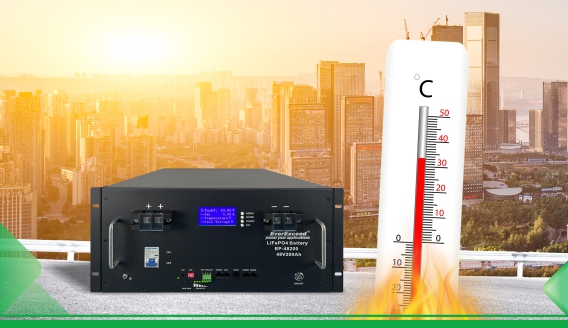
    Negative Effects of High Temperature on Lithium Batteries High temperature has comprehensive and irreversible impacts on lithium batteries. The main issues are as follows: 1. Capacity Fading and Shortened Lifespan (Most Common Impact) Mechanism: Elevated temperatures accelerate side reactions in the battery’s electrochemical system, such as electrolyte decomposition and the reaction of active lith...
    more
first page << 1 ... 10 11 12 13 >> last page

a total of13 pages

leave a message
welcome to everexceed
If you are interested in our products and want to know more details,please leave a message here,we will reply you as soon as we can.

home

products

about

contact