In telecom infrastructure, the DC power system is often unnoticed. It does not appear as visible as antennas or transmission equipment, but it plays a critical role in keeping communication sites continuously operating.
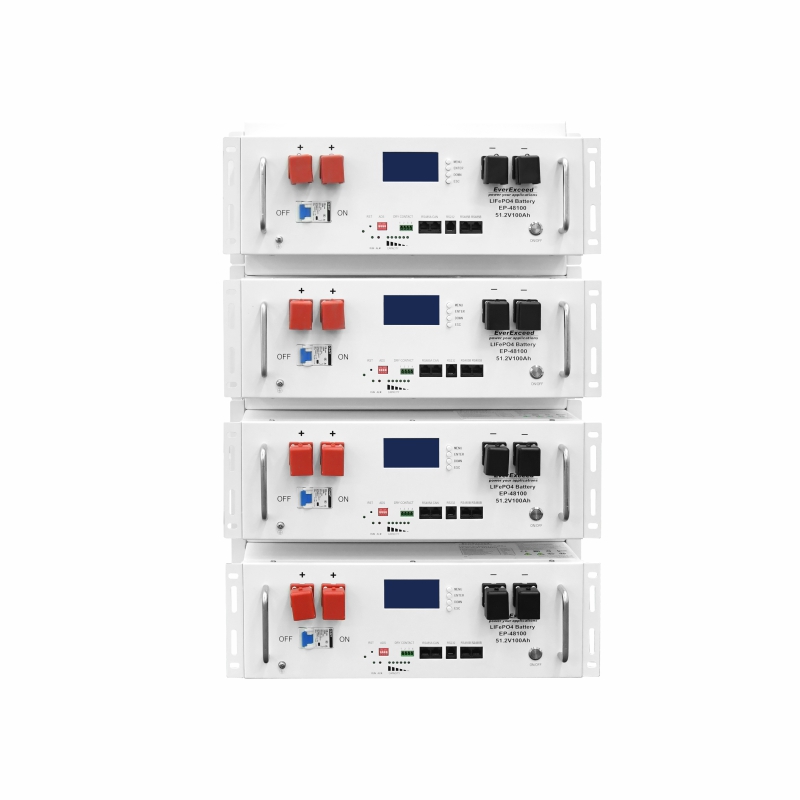
This system integrates utility power input, rectifier modules, DC busbars, batteries, distribution circuits, and monitoring units into one cabinet. It works quietly as the energy hub of telecom sites, ensuring stable and uninterrupted power supply.
The charging module (also known as a telecom rectifier) is the key functional component of a base station DC power system. It converts AC power into stable DC output and manages battery charging and system load distribution.
A modern telecom charging system acts as an intelligent energy controller rather than a simple converter. It can:
This ensures the uninterrupted operation of telecom equipment even under unstable grid conditions.
A base station DC power system must operate reliably in diverse and often harsh environments:
Because of these conditions, DC power systems must go beyond basic electrical ratings and ensure long-term stability.
Key design requirements include efficient cooling, high conversion efficiency, strong insulation, surge protection, and reliable connection structures.
A well-designed DC distribution cabinet ensures safe and organized power delivery.
Different telecom loads—such as transmission equipment, monitoring systems, and auxiliary devices—should be powered through independent branches with dedicated protection.
This structure provides:
Proper distribution design improves both system reliability and maintenance efficiency.
As telecom sites become increasingly unmanned, remote monitoring is essential for DC power systems.
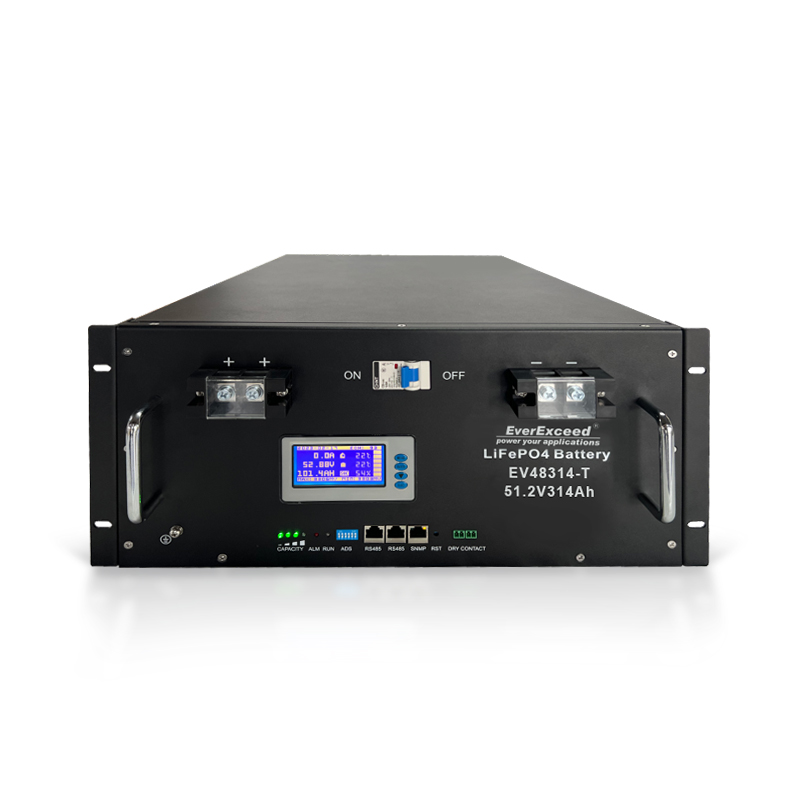
Modern systems support RS485, Ethernet, or SNMP communication, enabling integration with telecom monitoring platforms.
Operators can remotely monitor:
This reduces the need for on-site maintenance and enables proactive system management.
Although not visible in daily operation, the DC power system is the foundation of telecom site stability. It integrates power conversion, energy storage, distribution, and monitoring into one unified system.
With stable DC output, intelligent charging control, reliable protection, and remote management, it ensures continuous operation of communication equipment under all conditions.
In every telecom site, it functions as a silent but essential energy core that keeps networks running without interruption.
A Global Leading Manufacturer of Customized AC/DC Power Solutions
20+ Years of Battery Manufacturing Experience
10+ years System Integration Experience
categories
recent posts




scan to wechat:everexceed