Lithium batteries are widely used in both telecom base stations and residential energy storage systems. Although both applications commonly adopt LiFePO₄ battery technology, their system design, Battery Management System (BMS) strategy, operating modes, and certification requirements are significantly different.
Understanding these differences helps users select the right battery solution for specific applications.
Telecom lithium batteries are mainly designed as backup power solutions for communication base stations.
Their primary function is to ensure uninterrupted operation of communication equipment during grid outages. Under normal conditions, the battery remains in standby or float charging mode and provides backup power when needed.
Key requirements include:
Telecom lithium batteries are commonly used as replacements for traditional lead-acid batteries, offering smaller size, lighter weight, longer service life, and better cycling performance.
Residential energy storage batteries are mainly used with solar PV systems for:
Unlike telecom batteries that mainly stay in standby mode, residential storage batteries usually operate with frequent daily charge and discharge cycles.
Users pay more attention to:
Telecom batteries typically operate under long-term float charging conditions.
When used for peak shaving or energy management applications, telecom batteries may also experience more frequent cycling.
Residential batteries are designed for daily cycling.
Typical characteristics:
Residential energy storage systems commonly require 6,000–10,000 cycles depending on battery configuration and operating conditions.
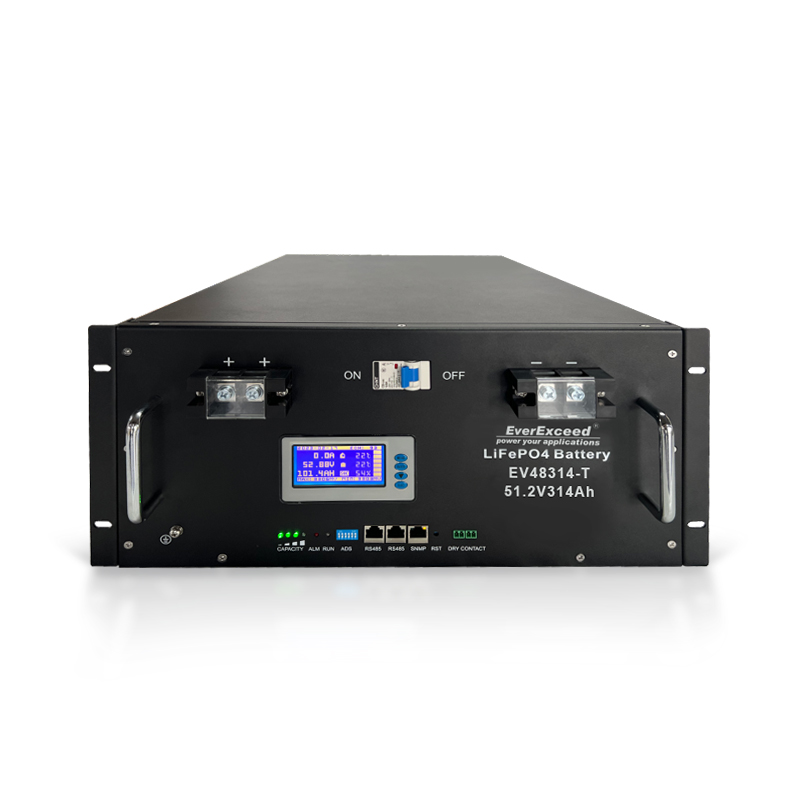
Telecom battery systems usually adopt a 48V DC architecture, commonly used in -48V communication power systems.
Typical characteristics:
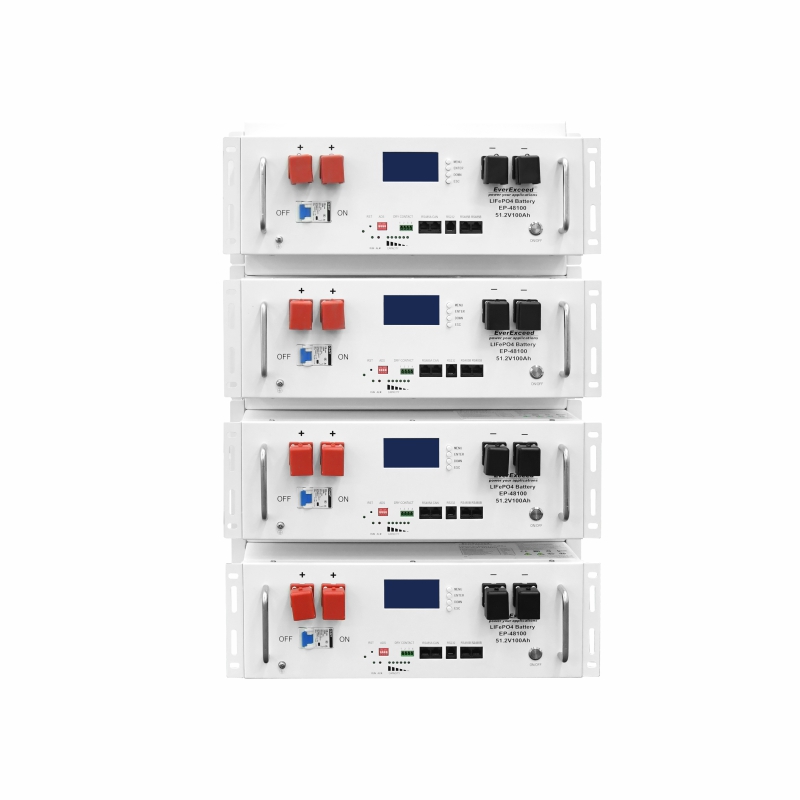
Residential storage batteries are available in:
They work together with solar inverters and household electrical systems for energy management.
Telecom applications require strong short-term discharge capability to support communication equipment during outages.
Key requirements:
Telecom batteries balance both energy capacity and power output.
Residential batteries mainly focus on energy capacity and cost efficiency.
Typical characteristics:
Telecom battery BMS needs to communicate with telecom power systems and monitoring platforms.
Common functions include:
Residential storage battery BMS focuses on communication with solar inverters.
Key functions include:
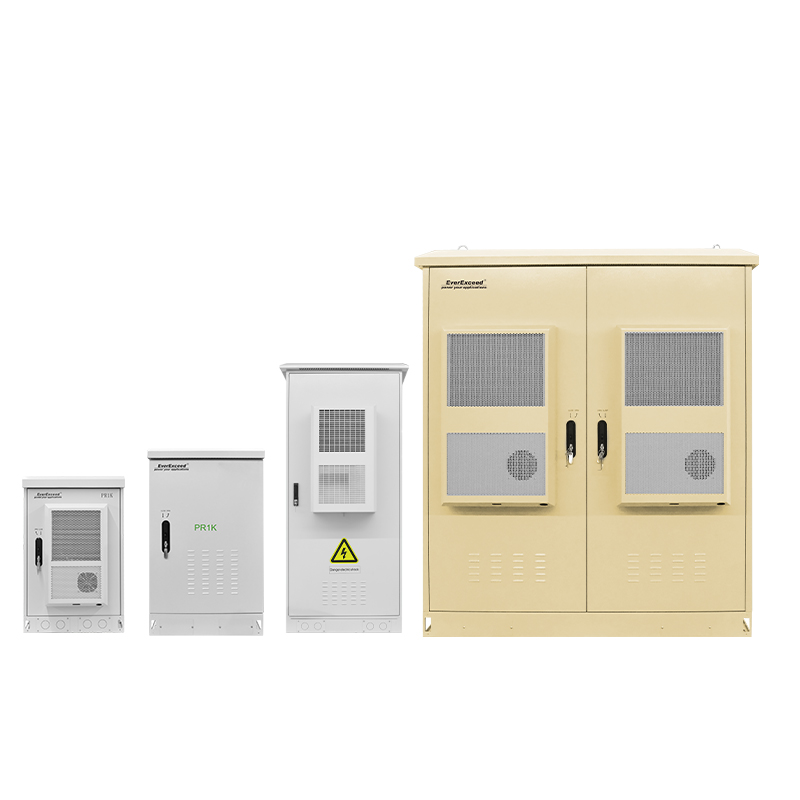
Telecom batteries are often installed in:
Therefore, they require:
Residential batteries may be installed in:
They place greater emphasis on:
Telecom batteries usually need to comply with communication industry standards and operator requirements, such as:
Residential storage batteries commonly require certifications including:
Certification requirements may vary depending on region and market.
| Comparison | Telecom Lithium Battery | Residential Energy Storage Battery |
|---|---|---|
| Main Purpose | Communication backup power | Solar storage & home energy management |
| Working Mode | Long-term standby and float charging | Daily charge/discharge cycling |
| Voltage | Mainly 48V/-48V DC | 48V/51.2V low voltage or 200V–600V high voltage |
| Priority | Reliability and backup performance | Energy efficiency and cost savings |
| BMS | Telecom monitoring system compatibility | Solar inverter compatibility |
| Environment | Outdoor, harsh conditions | Home, garage, balcony, outdoor |
| Main Focus | Float life, reliability, fast backup | Cycle life, safety, smart energy management |
No. Although both battery types may use LiFePO₄ cells, their system designs are optimized for different applications.
Telecom batteries are designed for:
Residential energy storage batteries are designed for:
Using an unsuitable battery type may result in communication compatibility issues, improper operating modes, or failure to meet application-specific safety requirements
categories
recent posts




scan to wechat:everexceed