Deep in the vast desert interior, a solar-powered communication base station operates continuously, delivering stable signals that connect nomadic communities and remote work sites to the outside world—while its fuel bill has permanently dropped to zero.
This is not an isolated pilot project. It marks the beginning of an energy-driven transformation, one that places clean power at the core of reshaping communication infrastructure in remote and underserved regions.
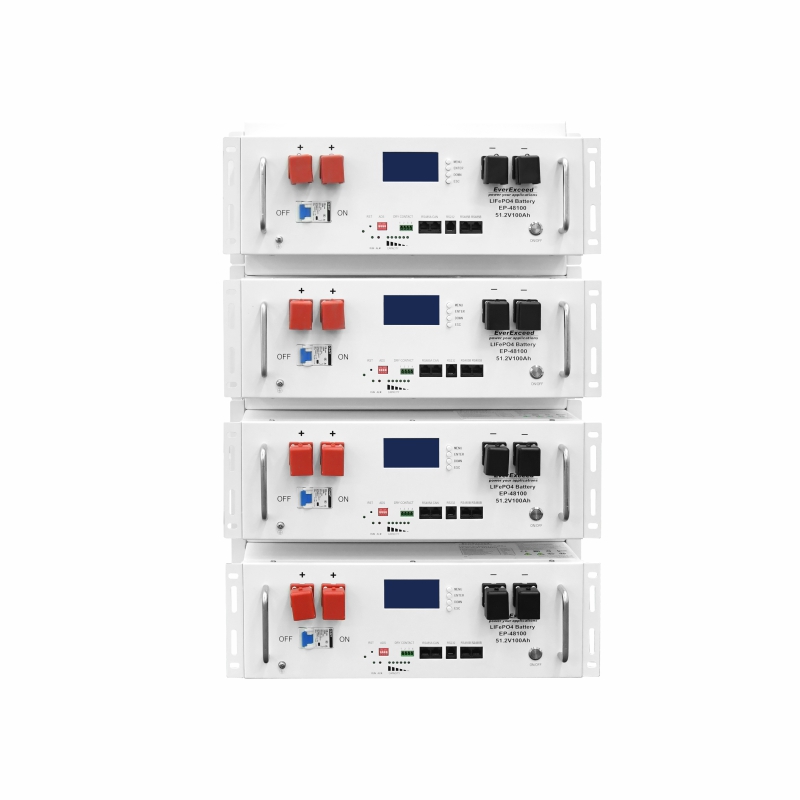
Abundant solar resources are giving telecom infrastructure a rare opportunity to break free from energy constraints and achieve true power autonomy. In a village long plagued by unstable electricity supply, the deployment of a stacked solar power system has finally ended years of intermittent connectivity. For the first time, the community now enjoys 24/7 uninterrupted communication coverage—sunlight has become a living “energy bridge” to the world beyond.
The Energy Dilemma: Real Challenges at Remote Base Stations
Across many remote regions and infrastructure-poor areas worldwide, the construction and operation of telecom base stations are constrained by one fundamental bottleneck: energy supply.
With public grids either unreliable or completely unavailable, operators are often forced to rely on diesel generators. This high-consumption, high-cost model has long been a major barrier to expanding communication coverage.
Fuel transportation alone is expensive and logistically fragile, frequently disrupted by harsh terrain, extreme weather, or security risks—any of which can threaten continuous network operation. In addition, diesel generators generate significant noise and thermal signatures, introducing operational risks and interference in sensitive environments.
Ironically, these energy-scarce regions are often rich in sunlight, with over 300 days of strong solar irradiation per year. Turning this natural advantage into a stable and reliable power source has become the key to unlocking sustainable telecom deployment in remote areas.
The Technical Core: Seamlessly Integrated Solar Stacking Solutions
The core philosophy behind stacked solar power systems for telecom base stations is enhancement through compatibility—not disruption.
Designed to seamlessly integrate with the globally adopted –48V DC power architecture, the system requires no major reconstruction of existing base station infrastructure.
High-efficiency photovoltaic arrays capture solar energy, which is optimized through professional MPPT (Maximum Power Point Tracking) modules. With an intelligent voltage-priority mechanism, power is directly injected into the existing DC bus of the base station.
This “intelligent supplementation” model enables truly seamless power transitions under all operating conditions:
During peak sunlight hours, solar energy fully supports the base station load, eliminating fuel dependency
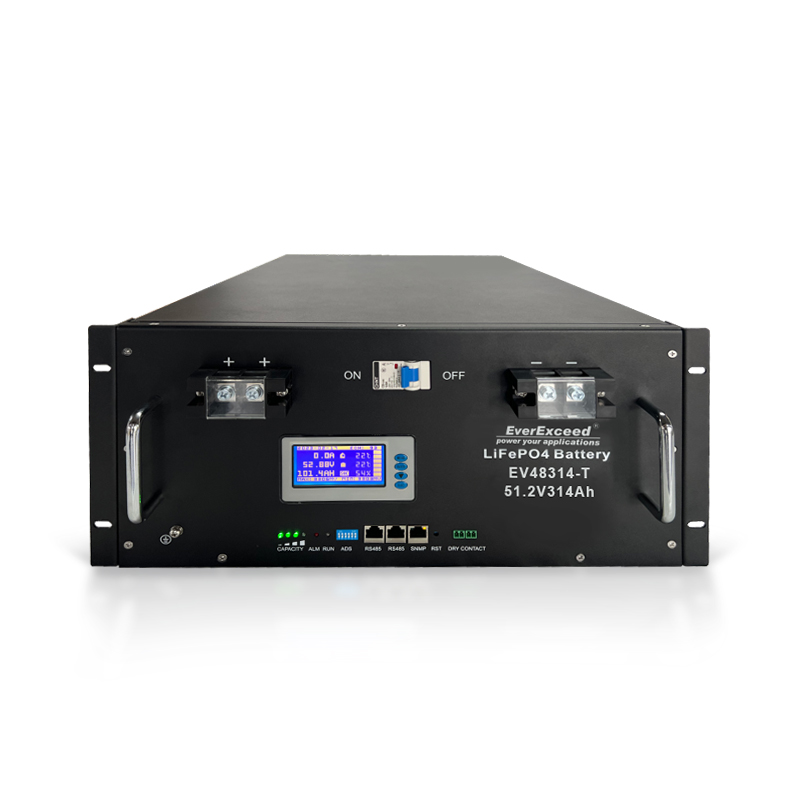
During low irradiance or nighttime operation, the system automatically and smoothly switches to battery storage or conventional backup power
Throughout the process, communication services remain uninterrupted and signal quality uncompromised.
For operators, this solution introduces no additional operational complexity. Through modular stacking alone, it delivers significant reductions in fuel consumption and carbon emissions—achieving measurable economic returns alongside tangible environmental benefits.
Built for Resilience: Reliability in Harsh Environments
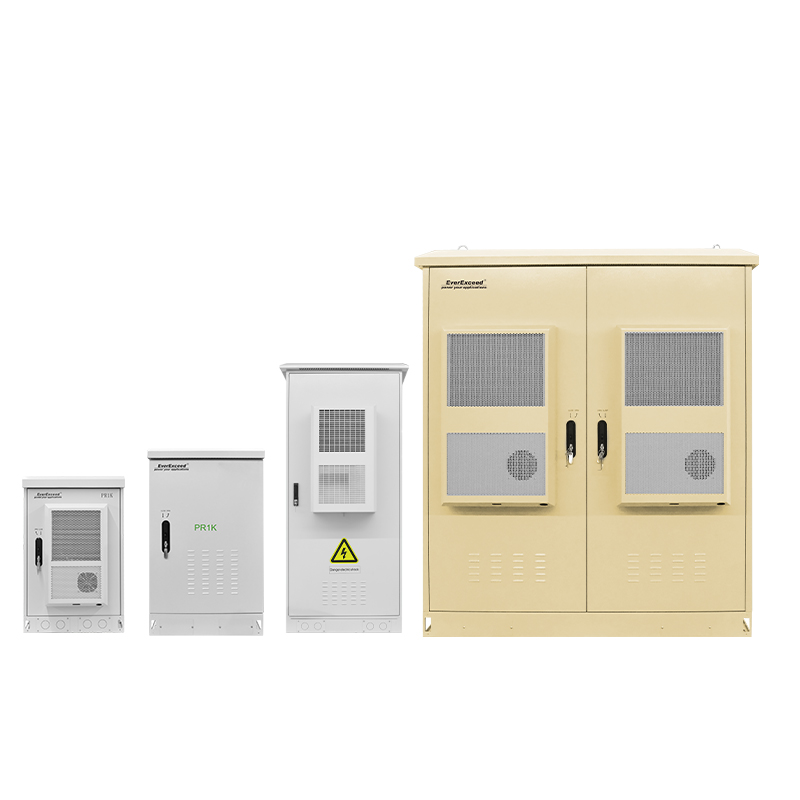
To withstand the extreme conditions common in remote deployments, the core power components of zero-fuel base stations—such as the ESG series—are engineered with comprehensive ruggedization.
With an ultra-wide operating temperature range from –40°C to +75°C, the system remains stable across desert heat, freezing mountain climates, and dramatic day–night temperature swings.
Enhanced enclosure protection and dust-resistant designs effectively shield equipment from sandstorms, heavy rain, and environmental contamination, significantly extending outdoor service life.
Equally critical is the support for hot-swappable power modules. In locations where on-site maintenance is difficult or infrequent, this capability minimizes downtime and reduces the risk of service interruption during repairs or replacements.
Remote intelligent monitoring further strengthens system reliability. Using standard communication protocols, operators can remotely track photovoltaic output, battery health, system performance, and site security conditions—enabling centralized, unmanned operation of widely distributed base stations while improving both efficiency and network stability.
Deployment Flexibility: Adapting to Complex Terrain
From arid deserts and mountainous regions to border zones and rural villages, diverse terrains impose demanding requirements on base station deployment.
Zero-fuel base station solar power systems offer three flexible installation options to ensure full-scenario adaptability:
Pole-mounted installations utilize existing utility or communication poles, requiring no new foundations—ideal for highways, border areas, and rapid network expansion
Wall-mounted installations leverage building exteriors or existing structures, optimizing space usage in village centers, town outskirts, or retrofitted sites
Ground-mounted installations create independent, integrated energy stations, supporting higher capacity and scalability for mining areas, large camps, and newly built hub sites
This high degree of deployment flexibility removes geographical and spatial barriers, ensuring that economically viable solutions are always within reach—and accelerating the extension of reliable communication networks into the world’s most remote regions.
categories
recent posts




scan to wechat:everexceed