As renewable energy adoption accelerates worldwide, EverExceed continues to deliver advanced, reliable, and high‑performance energy storage solutions for diverse application scenarios. Understanding the differences between distributed and centralized PV energy storage systems helps customers select the most suitable solution for their residential, commercial, or utility‑scale projects.
1. Distributed PV Energy Storage Systems
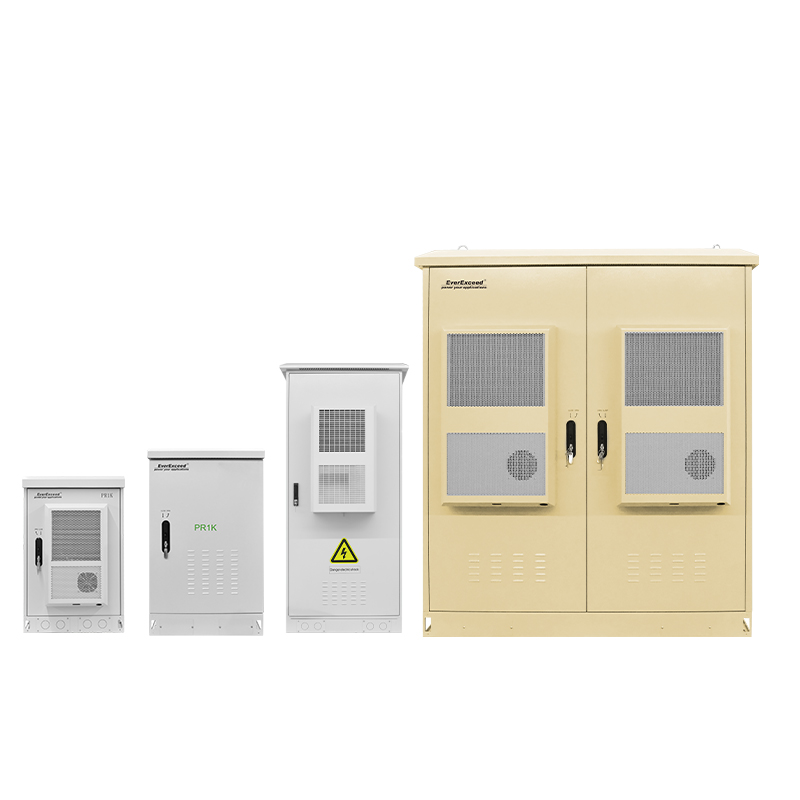
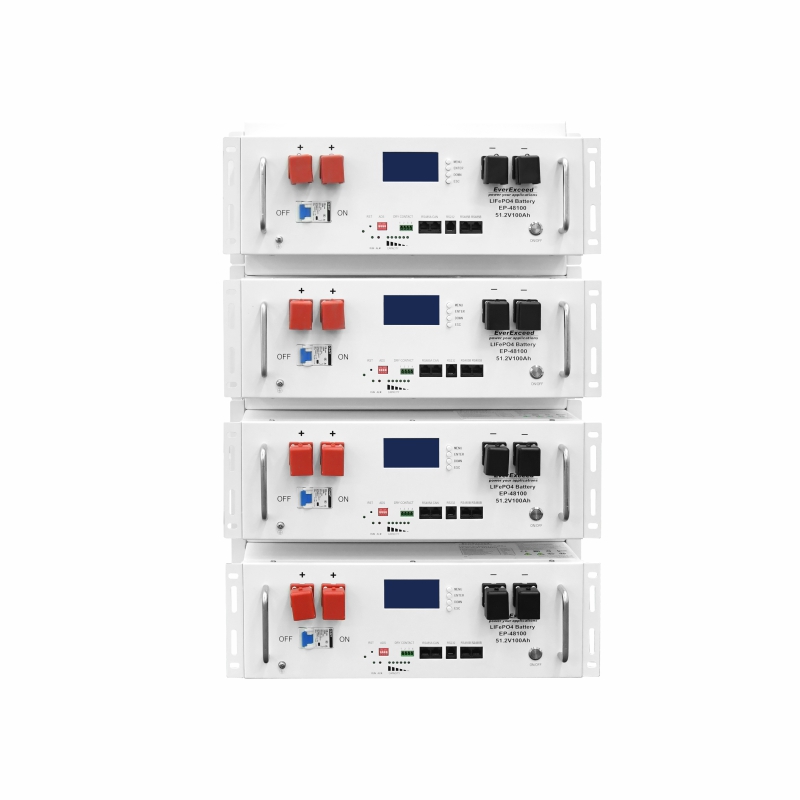
A distributed PV energy storage system is deployed close to the end‑user. Common installations include residential rooftops, commercial buildings, industrial facilities, and business parks. With a “generate–store–consume locally” design, this system integrates solar PV modules with medium‑ or small‑scale energy storage units such as EverExceed lithium energy storage cabinets or wall‑mounted batteries.
Typical capacity ranges from a few kilowatts for households to several megawatts for commercial and industrial users. Electricity generated during the daytime is prioritized for local loads; excess energy can be fed into the low‑voltage grid or stored in EverExceed lithium battery systems for use during nighttime or peak demand periods. This significantly reduces transmission losses and improves energy independence. In case of a grid outage, EverExceed storage systems ensure uninterrupted power supply for key loads, enhancing safety and reliability.
Distributed PV + storage is widely used in:
• Residential rooftop solar with home ESS
• Commercial buildings using solar façades and EverExceed ESS
• Rural electrification where the grid is unstable
• Shopping malls and supermarkets with solar rooftops
• Industrial parks deploying multi‑site distributed PV clusters
2. Centralized PV Energy Storage Systems
Centralized systems are typically built in remote areas with abundant solar resources and low land costs—such as deserts, plateaus, and open fields. These utility‑scale plants combine massive PV arrays with large‑capacity energy storage stations (hundreds of MWh or more), forming an integrated platform for large‑scale power generation and grid dispatching.
A single centralized PV station may reach hundreds of megawatts or even gigawatt‑level capacity. Because these sites are far from load centers, all generated electricity must be transmitted through high‑voltage or ultra‑high‑voltage lines to major cities and industrial zones. Large energy storage systems stabilize fluctuations caused by solar intermittency and improve grid compatibility, reducing curtailment and ensuring efficient power delivery.
Typical applications include:
• Desert PV + storage bases transmitting energy to eastern city clusters
• Plateau PV farms integrating hydropower–solar complementary resources
• Large‑scale northern region PV clusters supporting regional power balancing
Conclusion
Distributed and centralized PV energy storage systems differ in scale, installation location, dispatching mode, and usage scenarios. Leveraging the advanced technology, excellent reliability, and customizable engineering capabilities of EverExceed energy storage solutions, customers can build efficient, stable, and future‑ready clean energy systems for homes, businesses, and utility‑level projects.
categories
recent posts




scan to wechat:everexceed