A mobile communication base station is the radio facility that covers a specific area and enables data transmission between mobile phones and the core network. It is the frontline of the entire mobile network.
Across 2G, 3G, 4G, and 5G networks, the typical connection path is:
Mobile Phone → Base Station → Transmission Network → Core Network
The base station is responsible for transmitting, receiving, and coordinating wireless signals. It determines network coverage, capacity, and data rate.
The towers and white antennas seen outdoors are not the full base station.
A complete mobile base station typically includes:
BTS/NodeB/eNodeB/gNodeB (radio transceivers)
BBU (baseband unit) and RRU (remote radio unit)
Power system and backup battery system
Cooling, monitoring, lightning protection, and other infrastructure
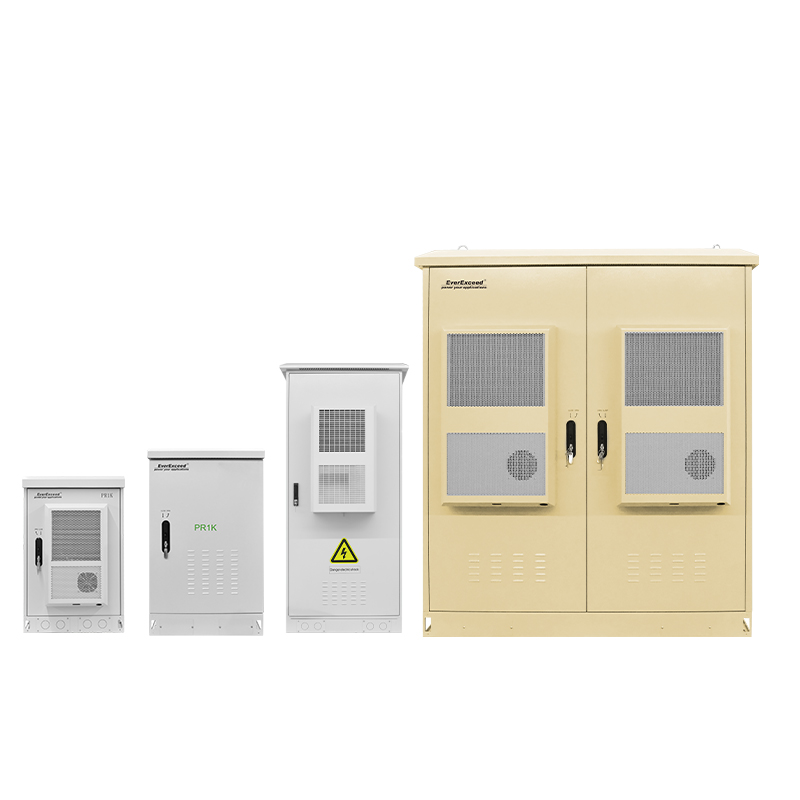
Indoor shelter or outdoor telecom cabinet (such as EverExceed Outdoor Integrated Telecom Cabinet)
As mobile generations evolve, the architecture has changed:
2G/3G: BTS/NodeB + BSC/RNC, long feeder cables, large equipment rooms
4G: Widespread BBU + RRU distributed architecture
5G: CU/DU split and AAU with integrated Massive MIMO antennas
A typical mobile communication system consists of three major subsystems:
Includes:
BSS (BSC + BTS) / RAN (BBU + RRU/AAU)
Mobile Stations (MS)
It manages the air interface, signal transmission, and radio resource allocation.
Includes MSC, HLR, VLR, etc.
This subsystem is the “brain” of the mobile network and is responsible for:
Call routing
User authentication
Roaming
Data interaction
Responsible for:
Network monitoring
Alarms and maintenance
Equipment status management
Antennas on towers, BTS/BBU in equipment rooms
Long feeder cables
High construction cost for equipment rooms
BBU and RRU separation
BBU pooling becomes possible
Fiber replaces feeder cables, greatly reducing signal loss
More flexible functional split
AAU integrates antenna + radio unit
Higher requirements for power, thermal management, and equipment integration
As 5G brings higher bandwidth and denser user scenarios, macro sites alone cannot meet all capacity demands.
Small cells have therefore become a key supplement.
Key features of small cells:
Compact size and low power consumption
Flexible indoor/outdoor deployment
Improve network capacity and enhance weak coverage
Typical application scenarios:
Shopping malls, office buildings, hotels
Metro stations, airports, railway stations
Stadiums, campuses
Streets, residential communities, parking areas
Small cells are often deployed together with DAS (Distributed Antenna Systems) to further improve coverage and capacity.
Whether macro sites or small cells, all base stations rely on robust infrastructure including:
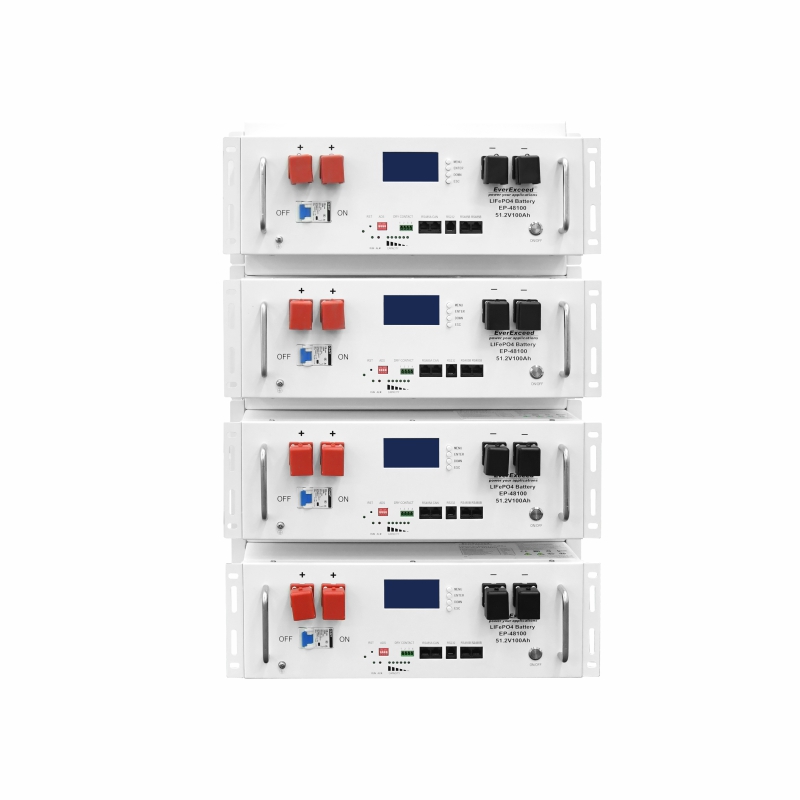
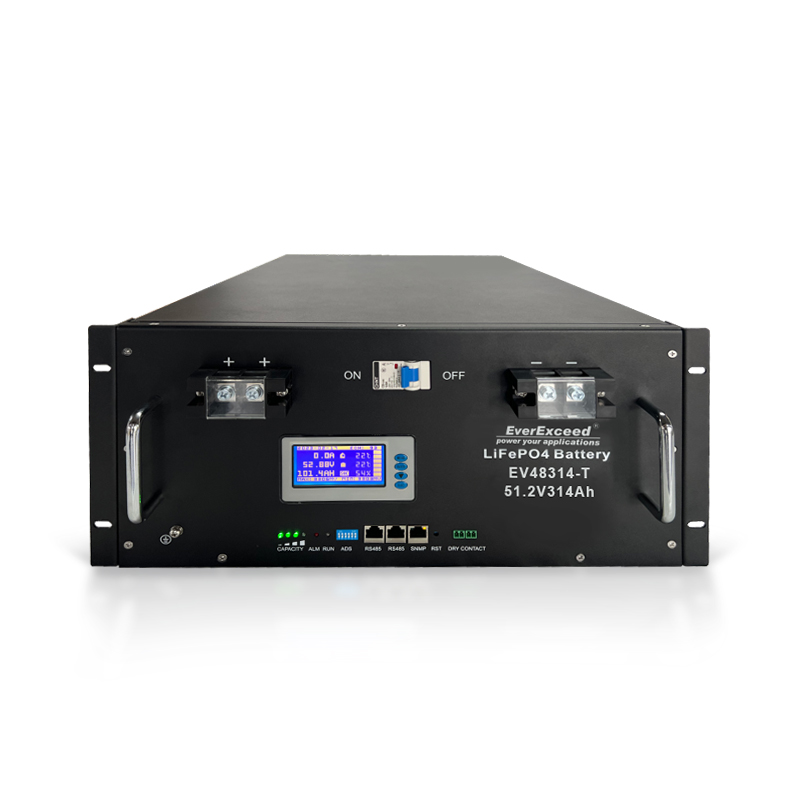
Power and backup systems (APS / lithium battery systems)
Cooling systems (air conditioners / heat exchangers)
Lightning, waterproofing, explosion-proof, and corrosion-resistant design
Monitoring and remote management systems
Equipment rooms or outdoor telecom cabinets
As 5G site density increases, traditional equipment rooms are no longer practical—outdoor integrated telecom cabinets have become the mainstream solution.
As a global provider of telecom power systems and outdoor cabinets, EverExceed offers a complete portfolio for base station deployment:
IP55 / IP65 protection level
Supports integration of power, BBU/RRU, transmission equipment
Ideal for macro sites, small cells, and edge sites
High-efficiency rectifiers
Reliable DC distribution modules
Supports AC/DC hybrid input
High capacity, long lifecycle, excellent cycling performance
Compatible with 5G small cell and macro station backup requirements
Real-time monitoring of temperature, humidity, door access, smoke, alarms
Supports remote control and maintenance
Reduces O&M cost and minimizes on-site visits
EverExceed’s integrated base station solutions help operators and system integrators achieve faster deployment, lower costs, and long-term network reliability.
tags :
categories
recent posts




scan to wechat:everexceed