-
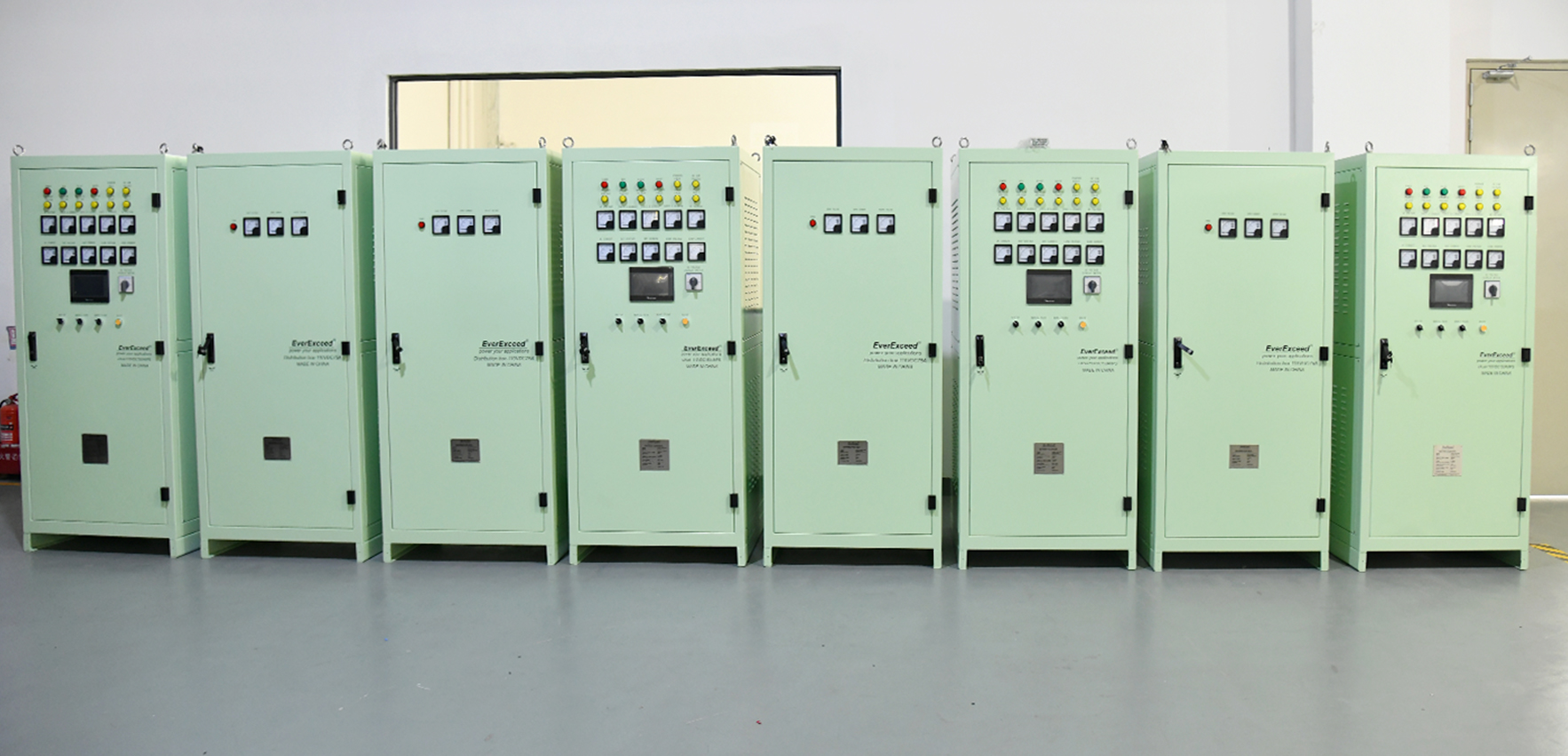
This 110V 150A industrial battery charger is custom-designed for a substation project in Jordan. This charger provides stable DC power for critical applications, including high-voltage switchgear operation and substation control and monitoring systems under both normal and emergency cond...
-
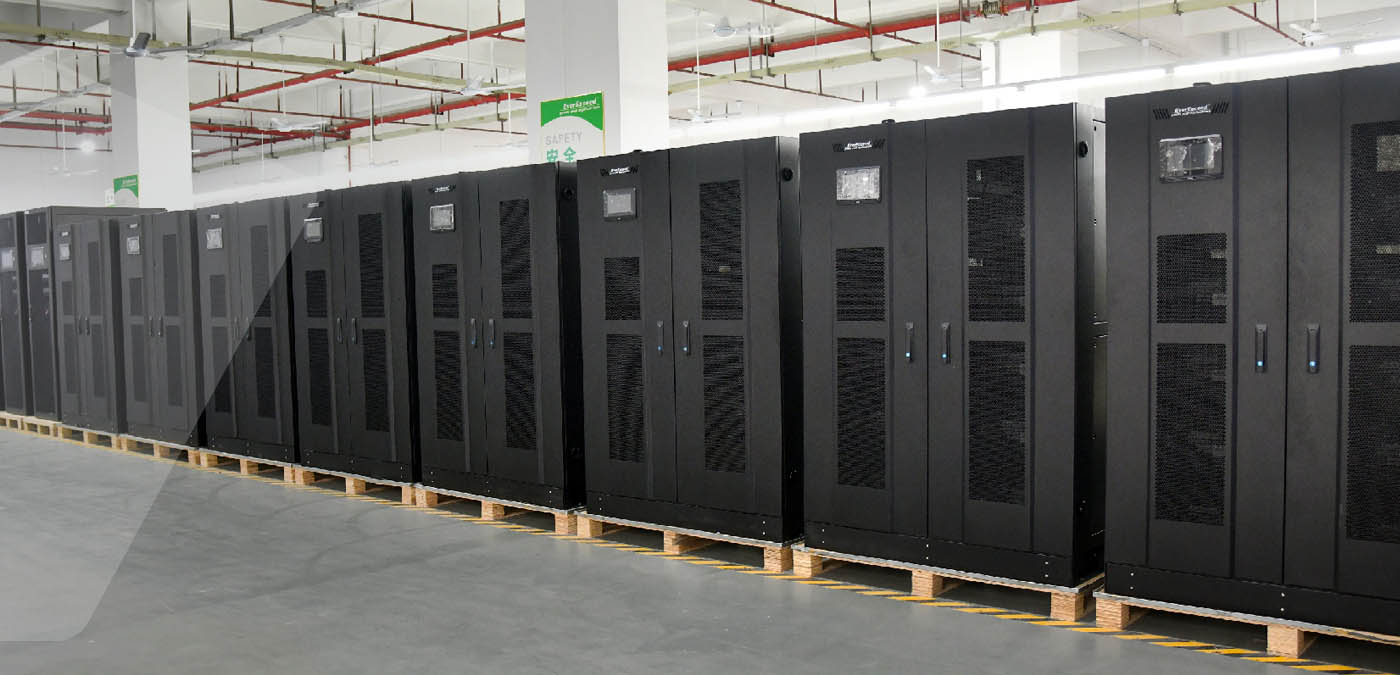
Project Background This project was customized and designed to deliver uninterrupted power to data center rooms in the Middle East, ensuring continuous and stable operation of critical network and communication equipment. Based on an intelligent modular UPS platform, EverExceed’s PRM PLUS inte...
-
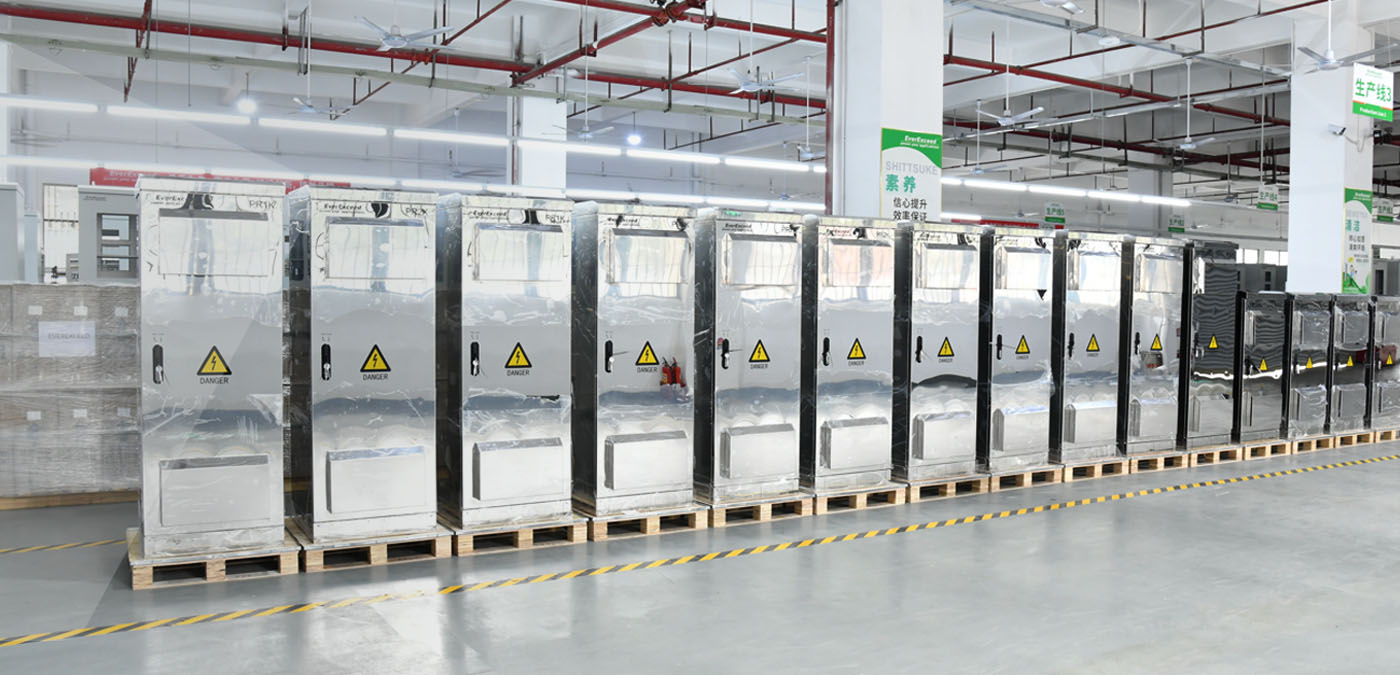
EverExceed has delivered 1 kVA & 2 kVA outdoor UPS solution for port walkway network equipment of the Red Sea Project. Designed for harsh coastal conditions, these outdoor UPS system ensure continuous and reliable power for critical monitoring and operational equipment, enhancing the safety...
-

It is not enough to only affix the UKCA logo to the products exported to the UK, and the UKCA certification has very high requirements for technical documents. Technical file requirements include: 1. Record keeping:The manufacturer or its authorised representative (where permitted by law) must keep ...
-

On January 31, 2020, the Brexit Agreement of the United Kingdom was approved and officially entered into force. After nearly 2 years of transition, from January 1, 2022, the UK will not recognize the CE mark, and the UKCA mark has become the only access mark for export to the UK market. UKCA, the fu...
-
The European Union created the RoHS directive for human and environmental protection from hazardous substances and put it into effect on July 1, 2006. In July 2019, the RoHS3 Directive, titled “Directive (EU) 2015/863,” went into full effect and excluded medical devices from the requirements. As of ...
-
A special feature is the European CE conformity procedure. The abbreviation CE stands for “CommunautéEuropéenne” and was created by the European Union. The procedure is intended to ensure a minimum safety standard for products. This is intended to enable the free movement of goods between the countr...
-
This part of IEC 60896 applies to all stationary lead-acid cells and mono-bloc batteries of the valve regulated type for float charge applications, (i.e. permanently connected to a load and to a DC power supply), in a static location (i.e. not generally intended to be moved from place to place) and ...
-
Towards a more sustainable society requires the use of advanced rechargeable batteries. Energy storage systems (ESS) are critical in the transition to de-carbonization, providing the ability to efficiently store electricity from renewable sources such as solar and wind. However, standards need to be...
-
-
-

UL 1973, Batteries for Use in Light Electric Rail (LER) and Stationary Applications (UL 1973), is a safety standard for stationary batteries for energy storage applications that is not specific to any one battery technology or chemistry, and can apply to Li-ion battery ESSs, as well as ESSs using ot...